
Why Humidity Matters For Corn Snakes
Humidity matters because it directly affects a corn snake’s skin health, shedding process, and overall comfort, even though it is often overlooked at first. When humidity is too low, shedding can become difficult and uncomfortable for the snake. When humidity is too high, respiratory issues and skin problems can develop slowly over time. Corn snakes need balance rather than extremes, which is good news because balance is easier than perfection. Understanding humidity gives you control instead of relying on guesswork.
TLDR: How To Maintain Humidity Levels For Corn Snakes
Maintaining proper humidity helps support healthy shedding and overall wellbeing. Aim for moderate levels and increase slightly during shedding if needed. You can manage humidity by adjusting substrate, providing a water dish, and ensuring proper ventilation. Regular monitoring helps prevent issues like retained shed or respiratory problems.
Understanding Natural Humidity Ranges
Corn snakes originate from environments where humidity naturally fluctuates instead of staying fixed at one number. They are adapted to moderate moisture levels that rise and fall with weather patterns and seasons. Trying to keep humidity perfectly constant can actually cause more problems than allowing gentle variation. The goal is a healthy range that supports normal bodily functions. Nature rarely uses exact numbers, and corn snakes agree quietly.
Ideal Humidity Levels For Corn Snakes
Most corn snakes thrive within a moderate humidity range that supports normal shedding and breathing. This range allows the skin to remain flexible without becoming damp or saturated. Humidity that stays too low often appears as stuck shed or flaky skin. Humidity that stays too high can lead to lingering moisture and health concerns. Staying within a healthy middle range keeps conditions comfortable and predictable.
Using A Hygrometer Correctly
A hygrometer is essential because guessing humidity by sight never works as well as people hope. It should be placed where it reflects the snake’s actual living conditions rather than near vents or openings. Low quality hygrometers can be inaccurate, so choosing a reliable one matters. Readings should be checked regularly, not only during shedding cycles. Accurate tools remove frustration and confusion from humidity management.
How Substrate Affects Humidity
Substrate plays a major role in how moisture behaves inside the enclosure. Some substrates release moisture quickly, while others retain it for longer periods. Choosing the right substrate helps stabilize humidity without constant adjustments. Overly wet substrate can cause more harm than dry air if left unchecked. Balance often starts from the ground up.
Water Bowls And Humidity
Water bowls contribute to humidity more than many people expect. Larger bowls increase evaporation, especially in warmer enclosures. Placement closer to the warm side can raise humidity slightly when needed. Bowls should always be kept clean to avoid bacterial growth. Water does double duty when used thoughtfully.
Misting And When To Use It
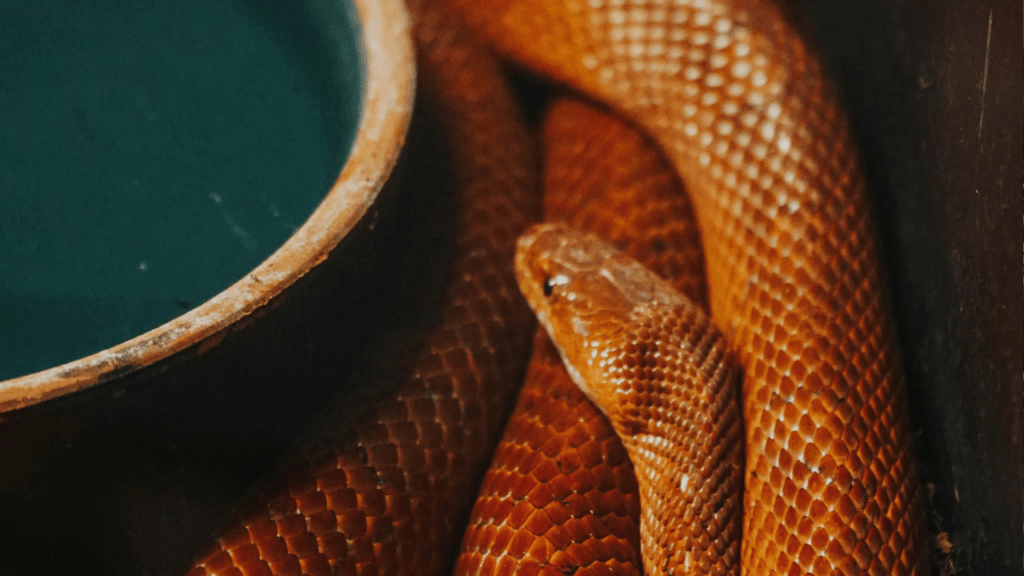
Misting can help raise humidity temporarily when conditions are too dry. It is most useful during shedding cycles or in very dry indoor environments. Over misting can create damp conditions that linger longer than intended. Light misting works better than soaking the enclosure. Think refreshing moisture rather than a rainstorm.
Humidity Hides And Their Benefits
Humidity hides provide a controlled moist space without affecting the entire enclosure. They are especially helpful during shedding periods. The rest of the enclosure can remain dry and stable. These hides give the snake choice, which helps reduce stress. Choice supports confidence and comfort.
Ventilation And Airflow Balance
Ventilation plays a major role in controlling humidity levels. Too much airflow dries the enclosure quickly and unevenly. Too little airflow traps moisture and stale air inside. Balanced ventilation supports both humidity control and respiratory health. Air always needs somewhere to go.
Seasonal Changes And Humidity
Humidity often shifts naturally with the changing seasons. Winter air tends to be drier indoors due to heating systems. Summer air may raise humidity with little effort. Adjustments should be gradual rather than reactive. Seasonal awareness prevents constant tweaking.
If you need any guidance on Temperature And Humidity Requirements For Corn Snakes come check out the button
Signs Of Low Humidity
Low humidity often becomes noticeable during shedding cycles. Pieces of shed may stick around the tail or eye caps. The snake may soak more frequently than usual. Skin can appear dull or dry over time. These signs indicate that moisture needs attention.
Signs Of High Humidity
High humidity can be harder to recognize at first. Condensation on enclosure walls is a common warning sign. Substrate staying damp for long periods is another indicator. Respiratory sounds may develop if the issue is ignored. Excess moisture creates slow developing problems.
Adjusting Humidity Safely
Humidity adjustments should always be small and intentional. Sudden changes can stress the snake unnecessarily. Changing one factor at a time helps track what works. Monitoring conditions after adjustments is important. Patience works better than panic.

Cleaning And Humidity Control
Clean enclosures manage humidity more effectively. Waste and bacteria retain moisture longer than clean surfaces. Regular cleaning prevents hidden damp areas from developing. Drying decor before returning it helps maintain balance. Clean setups are easier to control.
Common Humidity Mistakes
Over misting is one of the most common humidity mistakes. Ignoring ventilation is another frequent issue. Guessing instead of measuring causes unnecessary confusion. Chasing exact numbers adds stress for no benefit. Consistency always beats perfection.
Observing Your Corn Snake’s Behavior
Behavior often reveals whether humidity levels are appropriate. Comfortable snakes move calmly and shed cleanly. Stress related behaviors may signal environmental problems. Observation provides real and reliable feedback. The snake always tells the truth through behavior.
Long Term Humidity Stability
Long term success comes from stable routines rather than constant adjustments. Reliable substrate and decor choices reduce daily effort. Seasonal awareness prevents unexpected shifts. Monitoring becomes second nature with experience. Stability makes care easier over time.
FAQ: How To Maintain Humidity Levels For Corn Snakes
What humidity level do corn snakes need?
Corn snakes generally need humidity between 40% and 60%. This range supports normal breathing, comfort, and proper shedding.
Why is humidity important for corn snakes?
Humidity plays a key role in shedding, skin health, and overall comfort. If levels are too low or too high, it can lead to stress and health problems.
What happens if humidity is too low?
Low humidity can cause dry skin, incomplete sheds, and discomfort. You may notice patches of old skin stuck after shedding.
What happens if humidity is too high?
High humidity can lead to mold growth, bacteria buildup, and increased risk of respiratory issues.
How do I measure humidity in the enclosure?
Use a hygrometer placed in the enclosure to monitor humidity levels. This gives you an accurate reading so you can make adjustments as needed.
Where should I place the hygrometer?
Place it in a central area of the enclosure, away from direct heat sources or water dishes, so it reflects the overall humidity level.
How often should I check humidity?
Humidity should be checked daily to make sure it stays within the proper range.
How can I increase humidity?
You can increase humidity by lightly misting the enclosure, using moisture-retaining substrate, or placing a larger water dish inside.
How can I decrease humidity?
Improve ventilation, reduce misting, and use drier substrate if humidity levels are too high.
Does substrate affect humidity?
Yes, some substrates hold moisture more than others. Coconut fiber holds more moisture, while aspen bedding tends to stay drier.
Can the water dish affect humidity?
Yes, larger water dishes can increase humidity, especially if placed near a heat source.
Should I mist the enclosure daily?
Misting should be done only as needed. Over-misting can lead to excess moisture and mold problems.
Do corn snakes need higher humidity when shedding?
Yes, slightly higher humidity can help during shedding. A humid hide can also be useful during this time.
What is a humid hide?
A humid hide is a small enclosed space with slightly higher moisture, allowing your snake to choose extra humidity when needed.
Can room conditions affect enclosure humidity?
Yes, changes in room temperature and humidity can impact the enclosure. Seasonal changes can also affect levels.
How do I maintain humidity during winter?
Indoor heating can dry the air, so you may need to monitor humidity more closely and make small adjustments.
How do I manage humidity during summer?
Humidity may rise naturally, so proper ventilation and monitoring are important to prevent excessive moisture.
Can poor humidity affect feeding?
Yes, stress from improper humidity can impact feeding behavior and overall activity.
How do I know if humidity is correct?
A healthy snake that sheds properly and shows normal behavior is a good sign that humidity levels are correct.
What are warning signs of humidity problems?
Signs include incomplete sheds, excessive dryness, damp substrate, mold, or unusual behavior.
Can humidity changes cause stress?
Yes, sudden or extreme changes in humidity can stress your snake and affect its health.
What is the biggest mistake with humidity control?
The biggest mistake is not monitoring it regularly. Without checking levels, problems can go unnoticed.
How can I keep humidity stable?
Use proper substrate, monitor daily, adjust gradually, and maintain good ventilation for consistent conditions.
Final Thoughts On Maintaining Humidity
Proper humidity supports healthy shedding, breathing, and overall comfort. Balance matters more than exact numbers. Tools and observation work best when used together. Small adjustments prevent larger problems later. When humidity is managed well, everything else feels easier.