
Designing a safe and comfortable enclosure for your corn snake is one of the most important parts of responsible snake ownership. The enclosure is where your snake will spend its entire life, so every detail matters. A well designed habitat supports healthy behavior, proper digestion, stress reduction, and overall wellbeing. It should provide security, stable temperatures, and enough space for natural movement and exploration. When the enclosure is designed correctly, caring for your corn snake becomes much easier and more enjoyable.
When people first set up a corn snake enclosure, they often focus on how it looks before thinking about how it functions. It is easy to get excited about decorations and accessories, but the snake’s comfort and safety always come first. A beautiful enclosure means very little if the snake feels exposed or stressed. The best setups combine practical care with a natural and comfortable environment.
TLDR: How To Design A Safe And Comfortable Corn Snake Enclosure
Designing a safe and comfortable corn snake enclosure starts with choosing a secure, escape-proof habitat that maintains proper temperature and humidity. Include essential features like hides, substrate, fresh water, and gentle enrichment to support natural behaviors. A balanced setup that prioritizes safety, stability, and comfort helps reduce stress and supports long-term health.
Choosing The Right Enclosure Size
The first step in designing a proper enclosure is choosing an appropriate size. Corn snakes are active and curious animals that need enough room to move around comfortably. Most adult corn snakes do well in medium to large enclosures that allow them to stretch out and explore.
The enclosure should not feel cramped, but it also should not feel completely open and empty. Young corn snakes may feel stressed in overly large spaces without enough cover. Adding hides and visual barriers helps make larger enclosures feel secure while still providing room to explore.
Making Sure The Enclosure Is Secure
Corn snakes are excellent escape artists and can squeeze through surprisingly small openings. A secure enclosure is essential for preventing escapes and keeping the snake safe. Doors, lids, and ventilation openings should all fit tightly.
Screen lids should be clipped down securely, and sliding doors should lock properly if possible. Checking the enclosure regularly for gaps or loose fittings is important. Preventing escapes is one of the most important safety responsibilities for any snake owner.
Creating A Proper Temperature Gradient
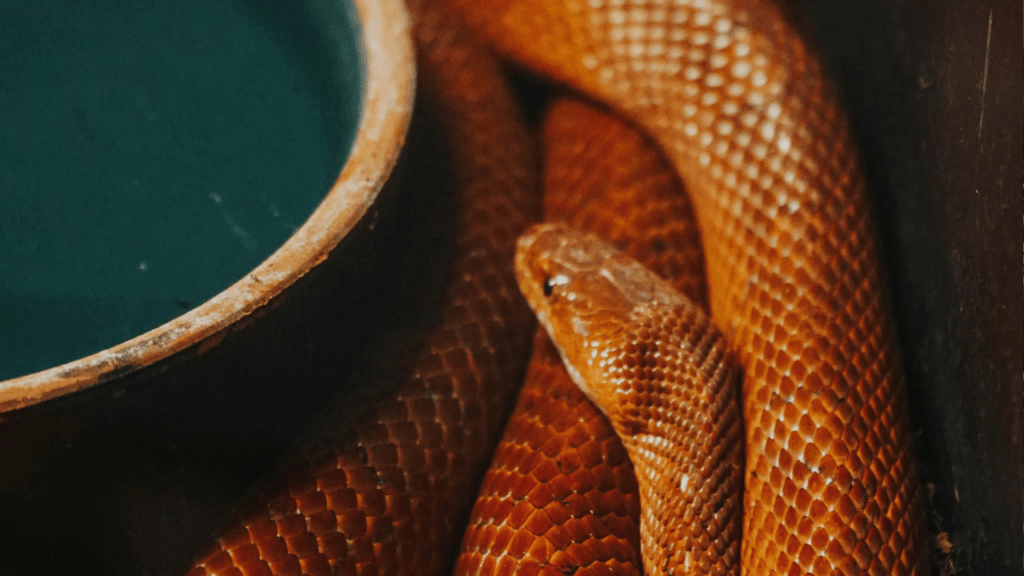
Corn snakes rely on outside heat sources to regulate their body temperature. A safe enclosure must include a warm side and a cool side so the snake can move between temperatures naturally. This temperature gradient supports digestion, activity, and overall health.
The warm side should contain the primary heat source, while the cool side remains lower in temperature. Heat sources should always be controlled with thermostats to prevent overheating. Stable temperatures create a healthier and less stressful environment.
Choosing Safe Heating Equipment
Heat mats, ceramic heat emitters, and heat lamps are common heating options for corn snake enclosures. Each can work well when used correctly. The most important factor is safety and proper regulation.
Heat rocks should be avoided because they can become dangerously hot and cause burns. Thermostats are essential for controlling any heat source. Reliable heating equipment protects the snake and maintains stable conditions within the enclosure.
Providing Comfortable Hiding Spots
Hides are one of the most important features in a corn snake enclosure. Corn snakes are naturally cautious animals and need secure places to retreat and rest. At least one hide should be placed on the warm side and another on the cool side.
The hides should fit snugly around the snake rather than being overly large. Tight spaces help the snake feel secure. Additional cover such as cork bark or plants can also help reduce stress by breaking up open areas.
If you need any guidance on Creating A Naturalistic Environment In Your Corn Snake Enclosure come check out this button
Selecting The Right Substrate
Substrate covers the floor of the enclosure and affects comfort, cleanliness, and humidity. Aspen shavings are commonly used because they are absorbent and easy to clean. Other reptile safe substrates may also work depending on the setup.
Avoid substrates made from cedar or pine because they can release harmful oils. The substrate should be dust free and easy to maintain. A comfortable floor layer supports natural movement and occasional burrowing behavior.
Adding Enrichment And Decor
Corn snakes benefit from enrichment that encourages exploration and natural behavior. Branches, cork bark, plants, and textured surfaces can make the enclosure more interesting and comfortable. These items also help create visual barriers that reduce stress.
Enrichment should not overcrowd the enclosure. The snake still needs clear pathways and enough space to move comfortably. A balanced setup provides stimulation without making the enclosure difficult to clean or navigate.
Managing Humidity Levels
Corn snakes require moderate humidity levels to support healthy shedding and respiratory health. Humidity can be influenced by substrate choice, water bowl placement, and ventilation. Monitoring humidity with a hygrometer helps maintain proper conditions.
Humidity should not become excessively high because overly damp conditions may lead to health issues. At the same time, air that is too dry can cause shedding problems. Balance and consistency are the most important goals.
Choosing The Right Water Bowl
A clean water bowl should always be available inside the enclosure. The bowl should be large enough for the snake to drink comfortably and sturdy enough not to tip over easily. Some corn snakes may occasionally soak in their water bowl during shedding.
Water should be replaced regularly to prevent bacteria buildup. Keeping the bowl clean is a simple but important part of enclosure maintenance. Hydration supports healthy skin and overall wellbeing.
Designing For Easy Cleaning
A good enclosure design should make cleaning manageable. Decorations should be easy to remove and clean when necessary. Spot cleaning should be simple and quick to perform.
Enclosures that are difficult to clean often lead to inconsistent maintenance. Designing with practicality in mind helps keep the environment healthier over time. Simple routines support better husbandry.
Avoiding Common Enclosure Mistakes
One common mistake is creating an enclosure that looks impressive but lacks security and functionality. Another mistake is using unsafe heating equipment or failing to monitor temperatures properly. Too much open space without hiding spots can also increase stress.
Rushing the setup process often causes avoidable problems. Taking time to test temperatures and arrange the enclosure thoughtfully creates a safer environment. Preparation helps prevent many common husbandry issues.
Long Term Comfort And Stability
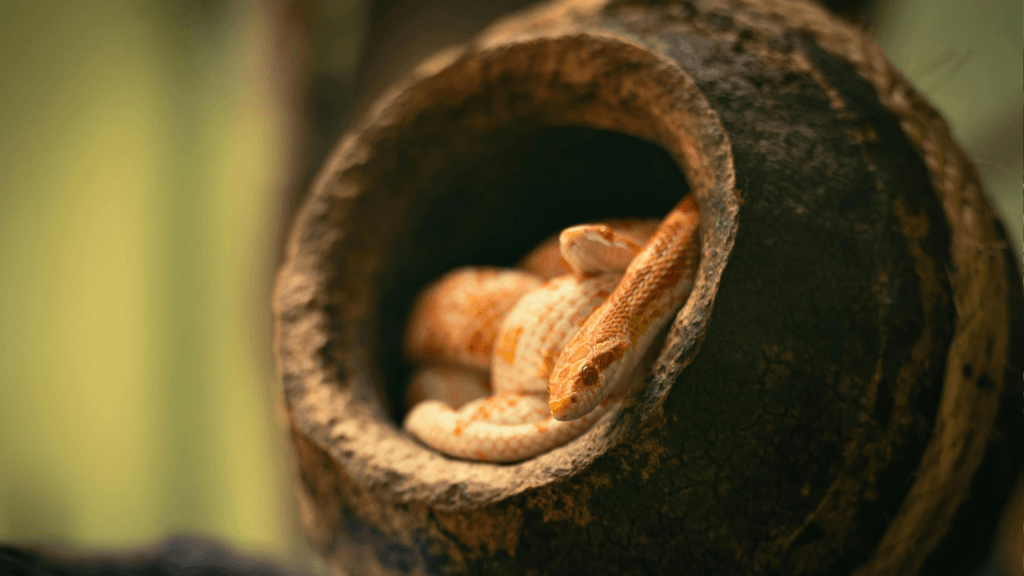
A safe and comfortable enclosure should remain stable over time. Corn snakes thrive in predictable environments where temperatures, humidity, and hiding spots remain consistent. Small adjustments may be needed seasonally, but constant major changes can create stress.
Observation helps determine whether the enclosure is working well. A relaxed snake that explores, eats consistently, and sheds properly is usually comfortable in its environment. Stability supports long term health and confidence.
FAQ: How To Design A Safe And Comfortable Corn Snake Enclosure
What makes a corn snake enclosure safe?
A safe enclosure prevents escapes, maintains stable temperatures and humidity, and contains secure decor without sharp edges or unstable structures. Safety starts with proper setup and regular maintenance.
Why is enclosure comfort important for corn snakes?
A comfortable enclosure reduces stress and encourages natural behaviors like exploring, hiding, climbing, and feeding. Corn snakes thrive when they feel secure in their environment.
What size enclosure should I use?
The enclosure should be at least as long as the snake. Adult corn snakes typically do well in a 40-gallon enclosure or larger with enough room for enrichment.
Can an enclosure be too small?
Yes, small enclosures can restrict movement, reduce activity, and increase stress over time.
What type of enclosure works best?
Glass tanks, PVC enclosures, and secure plastic enclosures are all commonly used. The most important factors are security, ventilation, and proper environmental control.
Do corn snakes need a secure lid?
Yes, corn snakes are skilled escape artists. A tightly secured lid or locking door system is essential.
Why is ventilation important?
Proper ventilation helps maintain air quality, reduce bacteria and mold growth, and regulate humidity levels.
What temperature should the enclosure have?
The warm side should stay around 85°F to 90°F, while the cool side should remain between 75°F and 80°F.
Why does the enclosure need a warm and cool side?
A temperature gradient allows your snake to regulate its body temperature naturally by moving between warmer and cooler areas.
What heating equipment should I use?
Heat mats, ceramic heat emitters, and radiant heat panels are common choices. All heating equipment should be controlled with a thermostat.
Do I need a thermostat?
Yes, thermostats help regulate temperatures and prevent dangerous overheating.
What humidity level should I maintain?
Corn snakes generally do well between 40% and 60% humidity.
What substrate is best for comfort and safety?
Aspen bedding and coconut fiber are popular choices because they support comfort, cleanliness, and humidity control.
How many hides should I provide?
At least two hides should be included, one on the warm side and one on the cool side.
Why are hides important?
Hides help your snake feel secure and reduce stress by giving it safe places to retreat.
Can I add climbing structures?
Yes, corn snakes enjoy climbing and benefit from branches, vines, and elevated areas for enrichment.
How do I make decor safe?
All decor should be stable, securely positioned, and free from sharp edges or loose parts that could fall.
Should I include plants in the enclosure?
Yes, both real and artificial plants can provide cover and enrichment while creating a more natural environment.
Can lighting improve the enclosure?
Yes, lighting helps establish a natural day and night cycle and improves visibility within the habitat.
Do corn snakes need UVB lighting?
UVB lighting is optional for corn snakes, but some keepers choose to use low-level UVB lighting.
Where should I place the enclosure in my home?
Place it in a quiet area away from direct sunlight, drafts, and constant disturbances.
Can overcrowding the enclosure cause problems?
Yes, too much decor can limit movement and make the enclosure difficult to navigate.
How often should I clean the enclosure?
Spot clean regularly and perform a full cleaning every few weeks to maintain hygiene.
What are signs the enclosure setup is working well?
A healthy snake that explores, eats regularly, sheds properly, and uses different areas of the enclosure is a good sign the setup is comfortable.
What is the biggest mistake when designing a corn snake enclosure?
The biggest mistake is focusing only on appearance while ignoring temperature, security, and comfort needs.
Can a well-designed enclosure improve overall health?
Yes, a proper setup supports physical activity, reduces stress, improves feeding behavior, and contributes to long-term health.
Final Thoughts On Designing A Corn Snake Enclosure
Designing a safe and comfortable corn snake enclosure is about balancing security, proper environmental conditions, and enrichment. A well planned habitat supports healthy behavior, reduces stress, and makes daily care easier. Proper heating, hiding spots, substrate, and enclosure security all work together to create a healthy environment. With thoughtful planning and consistent maintenance, your corn snake can thrive in a habitat that feels both safe and natural for many years.