
Setting up the perfect corn snake enclosure is one of the most important parts of keeping your snake healthy, comfortable, and stress free. A good enclosure does more than just hold the snake. It provides warmth, security, enrichment, and a safe place for natural behaviors. When the setup is done correctly, corn snake care becomes much easier and more enjoyable. Small details in the enclosure can make a very big difference over time.
When I first started setting up corn snake enclosures, I focused too much on making everything look impressive. After a while, I realized the snake cared far more about security and stability than fancy decorations. Once I focused on comfort and proper husbandry, the enclosure worked much better. The snake became calmer, feeding became easier, and maintenance felt less stressful. The best setups are balanced, safe, and practical.
TLDR: Top 10 Tips For Setting Up The Perfect Corn Snake Enclosure
Setting up the perfect corn snake enclosure involves more than just choosing a tank. Proper heating, humidity, substrate, hides, ventilation, and security all work together to create a healthy environment. Adding enrichment and maintaining stable conditions helps reduce stress and encourages natural behaviors. A well-planned setup makes caring for your corn snake easier and more successful long term.
1. Choose A Secure Enclosure
Corn snakes are surprisingly skilled escape artists. Even small gaps or loose lids can become escape routes. A secure enclosure should have tightly fitting doors, clips, or locks to prevent accidents.
Before bringing your snake home, inspect the enclosure carefully for openings around corners, vents, and lids. Preventing escapes is one of the most important parts of enclosure safety. A secure habitat protects both the snake and your peace of mind.
2. Create A Proper Temperature Gradient
Corn snakes need both a warm side and a cool side inside their enclosure. This temperature gradient allows them to regulate their body temperature naturally. Without it, digestion and activity levels can be affected.
Place the heat source on only one side of the enclosure. This creates a warm area for digestion and a cooler area for resting. Proper temperature balance helps support healthy behavior and reduces stress.
3. Always Use A Thermostat
One of the most common beginner mistakes is using heating equipment without a thermostat. Heat mats and heat lamps can become dangerously hot if left unregulated. A thermostat controls the heat source and keeps temperatures stable.
Stable temperatures are much safer than constantly changing conditions. A thermostat also helps prevent burns and overheating. This small piece of equipment is one of the most important investments you can make.
4. Provide Multiple Hiding Spots
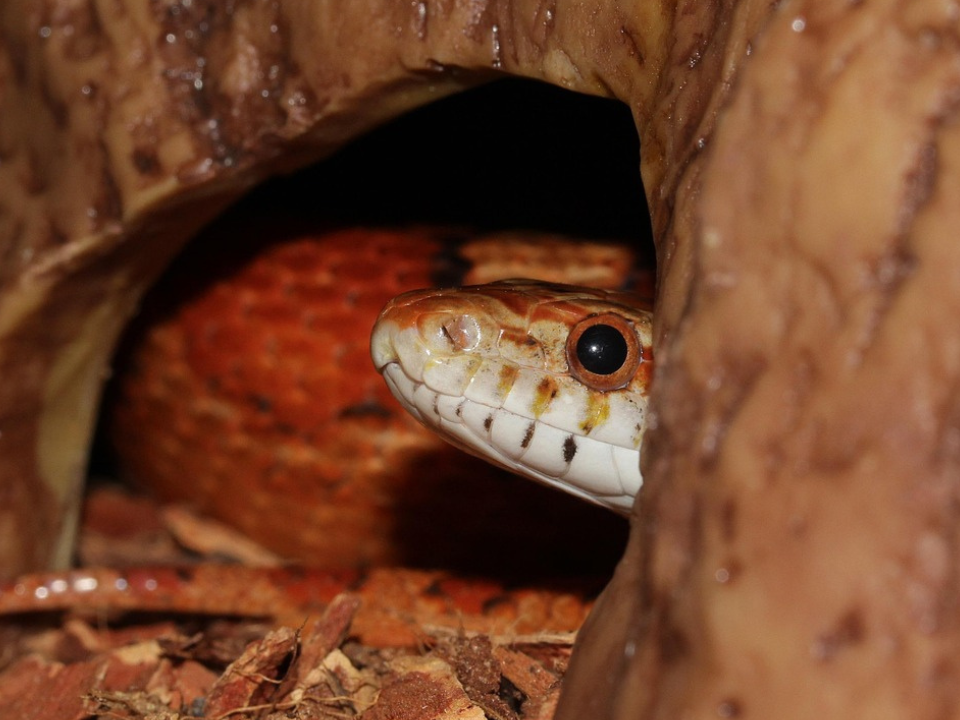
Corn snakes need places where they can feel hidden and secure. At minimum, there should be one hide on the warm side and one on the cool side. This allows the snake to feel safe while still regulating temperature.
Hides should fit snugly around the snake rather than being overly large. Tight spaces make snakes feel protected. Additional cover such as cork bark or plants can help reduce stress even more.
5. Choose Safe And Comfortable Substrate
The substrate affects comfort, cleanliness, and humidity levels. Aspen shavings are popular because they are absorbent and easy to clean. Coconut fiber and similar substrates may also work depending on the setup.
Avoid unsafe materials such as cedar or pine because they can release harmful oils. The substrate should be clean, dust free, and easy to maintain. Comfortable flooring supports natural movement and occasional burrowing.
If you need any guidance on Creating A Naturalistic Environment In Your Corn Snake Enclosure come check out this button
6. Add Enrichment Without Overcrowding
Corn snakes enjoy exploring their environment. Branches, cork bark, plants, and climbing opportunities help create enrichment and encourage natural behavior. These items also make the enclosure feel more secure.
At the same time, avoid overcrowding the habitat. The snake still needs open pathways to move comfortably. Too much decor can trap moisture and make cleaning difficult. Balance is important.
7. Keep Fresh Water Available
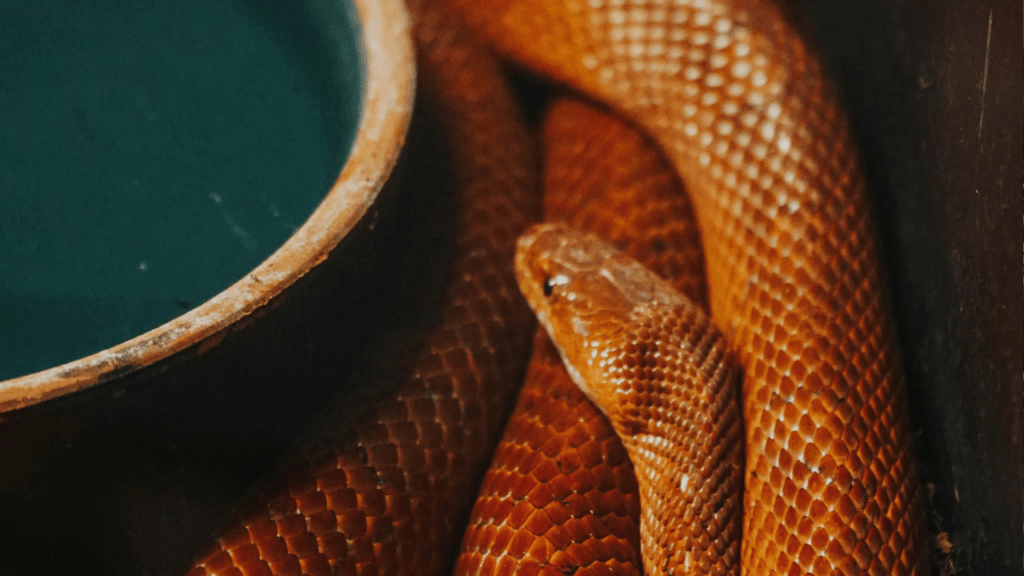
A clean water bowl should always be inside the enclosure. Corn snakes use water for hydration and sometimes soaking during shedding. The bowl should be sturdy enough not to tip over easily.
Replace the water regularly to prevent bacteria buildup. Even if the water looks clean, it should still be refreshed often. Simple water maintenance supports overall health.
8. Monitor Humidity Levels
Corn snakes require moderate humidity to support healthy shedding and respiratory health. Humidity that is too low may cause stuck shed, while excessive moisture can create respiratory problems.
Using a hygrometer helps track humidity accurately. Small adjustments to substrate, water bowl placement, or ventilation can help maintain balance. Stable humidity creates a healthier environment overall.
9. Place The Enclosure In A Quiet Area
The location of the enclosure matters more than many people realize. High traffic areas, loud noise, or direct sunlight can stress the snake and affect enclosure temperatures. Corn snakes generally do best in calm and stable environments.
Choose a location away from drafts, windows, and constant disturbance. A peaceful area helps the snake feel more secure. Stability in the environment supports calmer behavior.
10. Make Cleaning And Maintenance Easy
A good enclosure setup should also be practical for the keeper. Decorations should be easy to remove and clean when necessary. Spot cleaning should be simple to perform regularly.
When maintenance feels difficult, it is easier to fall behind on cleaning tasks. A practical setup encourages consistency. Clean and stable environments support healthier snakes and easier long term care.
Common Setup Mistakes To Avoid
One common mistake is rushing the enclosure setup before testing temperatures properly. Another is choosing appearance over functionality. Fancy decorations mean very little if the enclosure lacks security or proper heating.
Beginners also sometimes underestimate how important hides and cover really are. Open spaces may look attractive to people but stressful to snakes. Thinking like the snake instead of the owner usually leads to better enclosure design.
FAQ: Top 10 Tips For Setting Up The Perfect Corn Snake Enclosure
What is the most important part of a corn snake enclosure?
The most important part is creating a safe and stable environment with proper temperature, humidity, security, and enough space for natural behavior.
What size enclosure should I start with?
Baby corn snakes can start in smaller enclosures, but adults typically need at least a 40-gallon enclosure or larger for comfort and enrichment.
Why is enclosure size important?
Proper enclosure size allows your snake to move, explore, climb, and regulate its body temperature naturally without feeling cramped.
How do I create a proper temperature gradient?
Place the heat source on one side of the enclosure so the warm side stays around 85°F to 90°F while the cool side remains around 75°F to 80°F.
Why is a thermostat necessary?
A thermostat regulates the heat source and prevents dangerous overheating that could harm your snake.
What humidity level should I maintain?
Corn snakes generally do best with humidity levels between 40% and 60%.
What substrate works best for corn snakes?
Aspen bedding is a popular beginner-friendly option, while coconut fiber works well for humidity retention and naturalistic setups.
How many hides should the enclosure have?
At least two hides are recommended, one on the warm side and one on the cool side, so your snake can feel secure throughout the enclosure.
Why are hides so important?
Hides reduce stress and help your snake feel protected while resting, digesting, or shedding.
Can I add climbing structures?
Yes, corn snakes enjoy climbing and benefit from branches, vines, and elevated platforms for enrichment and exercise.
Should I use real or fake plants?
Both work well. Real plants can improve humidity and realism, while fake plants are easier to maintain.
How do I keep the enclosure escape-proof?
Use secure lids or locking doors and regularly inspect the enclosure for gaps or loose areas.
Can lighting improve the enclosure?
Yes, lighting helps maintain a natural day and night cycle and improves visibility inside the habitat.
Do corn snakes need UVB lighting?
UVB lighting is optional for corn snakes, though some keepers use low-level UVB as an added benefit.
Where should I place the enclosure?
Place it in a quiet area away from direct sunlight, loud noise, and sudden temperature changes.
How often should I clean the enclosure?
Spot clean regularly and perform full deep cleaning every few weeks to maintain hygiene.
What should I avoid putting in the enclosure?
Avoid unstable decor, sharp objects, chemically treated materials, and anything that could trap or injure your snake.
Can overcrowding the enclosure be a problem?
Yes, too much decor can limit movement and create stress if the enclosure becomes difficult to navigate.
How do I know if my snake is comfortable?
A comfortable snake will explore, eat regularly, shed properly, and use different areas of the enclosure naturally.
What are signs the setup needs improvement?
Constant hiding, glass surfing, feeding refusal, poor sheds, or staying in one spot all the time may indicate setup issues.
Should I upgrade the enclosure as my snake grows?
Yes, growing snakes need more space and stronger enrichment structures over time.
What is the biggest beginner mistake when setting up an enclosure?
The biggest mistake is focusing on appearance instead of temperature control, security, and proper environmental conditions.
Can a good enclosure improve overall health?
Yes, a well-designed enclosure reduces stress, supports natural behavior, improves feeding consistency, and contributes to long-term health.
Final Thoughts On Setting Up A Corn Snake Enclosure
Setting up the perfect corn snake enclosure is about creating a balance between safety, comfort, and practicality. Secure housing, stable temperatures, proper hides, and thoughtful enrichment all work together to support a healthy and stress free environment. Small details such as humidity control and enclosure placement also play important roles. When the enclosure is designed with the snake’s needs in mind, daily care becomes much easier and more rewarding for both the keeper and the snake.
If you would like to learn more about buying an enclosure come check out this button