
Heating and lighting are two of the most important parts of setting up a healthy corn snake habitat. Corn snakes rely on their environment to regulate body temperature because they cannot produce their own heat like mammals do. Without proper heating, digestion, activity, and overall health can quickly be affected. Lighting also helps support natural day and night cycles, even though corn snakes do not require intense lighting like some reptiles. Understanding how to provide proper heat and lighting creates a safer and more stable environment for your snake.
When people first set up a corn snake enclosure, heating equipment can feel confusing because there are so many products available. Heat mats, ceramic emitters, heat lamps, thermostats, timers, and different bulb types can make the setup seem more complicated than it really is. The good news is that corn snakes do not require extremely advanced systems. Once the basics are understood, maintaining proper heating and lighting becomes much easier.
TLDR: Essential Heating And Lighting For Corn Snake Habitats
Corn snakes need a temperature gradient so they can move between warm and cool areas to regulate their body temperature. A basking surface of approximately 88–90°F and a cooler area around 72–78°F are useful starting targets, although husbandry recommendations vary. Use a thermostat to regulate heating equipment and independent digital thermometers to verify temperatures. Overhead heating can provide naturalistic warmth, while appropriately installed heat mats may serve as supplemental heating. Corn snakes also benefit from a consistent day-night cycle, and correctly installed, low-level UVB lighting can support their welfare.
Why Heating Is So Important
Corn snakes are ectothermic animals, which means they rely on outside heat sources to control their body temperature. Heat affects digestion, movement, immune health, and overall behavior. If temperatures are too low, the snake may stop eating or have difficulty digesting meals properly. Low temperatures can also weaken the immune system over time.
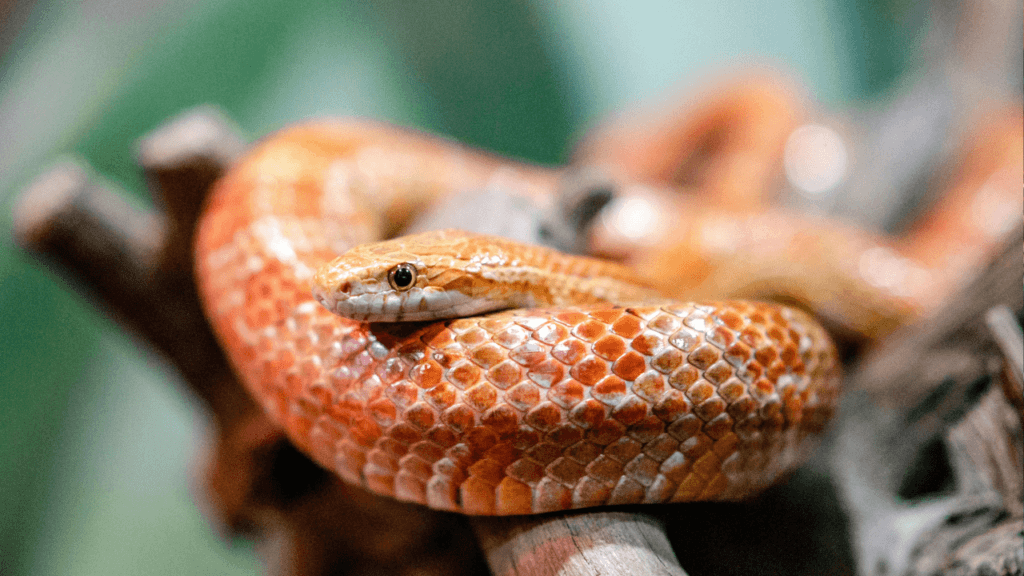
Proper heating allows the snake to regulate its body naturally. By moving between warmer and cooler areas, the snake controls its comfort level and body functions. This process is called thermoregulation. Without proper heat, the snake cannot function normally.
Creating A Temperature Gradient
Creating A Temperature Gradient
A corn snake enclosure needs a temperature gradient, which means having a warm side and a cooler side. This allows your snake to move between different temperatures depending on what its body needs. Without a proper gradient, your corn snake may struggle to regulate its body temperature, affecting digestion, activity, and overall health.
The easiest way to create a temperature gradient is to position your heating equipment at one end of the enclosure rather than heating the entire habitat equally. The warm side should include a basking area where your snake can absorb heat, while the opposite end should remain cooler.
Recommended Corn Snake Temperature Ranges
| Enclosure Area | Recommended Temperature |
|---|---|
| Basking surface | 88–90°F |
| Warm-side air | 80–82°F |
| Cool-side air | 72–78°F |
These are general starting ranges, and recommendations can vary slightly between reptile-care sources. The most important thing is providing a safe temperature gradient and checking that your heating equipment maintains appropriate conditions.
Remember that basking surface temperature and air temperature are not the same thing. A basking surface can be warmer than the surrounding air. You can check surface temperatures with an infrared temperature gun and monitor air temperatures using digital thermometers with probes.
Your corn snake should also have a secure hide on both the warm and cool sides of the enclosure. This allows it to choose a comfortable temperature without sacrificing its sense of security.
Tip: Check temperatures at different locations inside the enclosure before introducing your corn snake. Continue monitoring them regularly, especially when room temperatures change with the seasons.
Heat Mats For Corn Snakes
Heat mats are a common heating option for corn snakes, but they work differently from overhead heat lamps. Instead of warming a basking area from above, heat mats warm the surface they are attached to. They can help create a warm hide, although they are less effective at heating the surrounding air.
Heat mats can work well in certain setups, especially smaller enclosures, but they aren’t always the best primary heating source. Overhead heating more closely mimics natural sunlight and can warm both the basking surface and surrounding air. For this reason, heat mats are often better used as supplemental heating.
How To Use A Heat Mat Safely
Heat mats must always be connected to a compatible thermostat to prevent overheating and potential burns. For most under-tank heat mats, installation is on the outside of a compatible glass terrarium, beneath the warm end. Always follow the manufacturer’s instructions, including any requirements for ventilation or clearance underneath the enclosure.
Thermostat probe placement is also important. The probe should measure the temperature in the heated area according to the thermostat manufacturer’s instructions, and it must stay securely positioned. Use a separate digital thermometer or infrared temperature gun to check the temperatures your snake can actually reach.
Remember that thick substrate can reduce how effectively heat travels from the mat into the enclosure. Never increase the thermostat setting blindly to compensate, and make sure the cooler side stays within a safe temperature range.
Tip: Heat mats should never be used without a thermostat, even if the packaging claims the mat maintains a safe temperature. Always check that the heating equipment is compatible with your terrarium before installation.
Ceramic Heat Emitters
Ceramic heat emitters are another heating option for corn snake enclosures. Unlike regular heat lamps, they produce heat without giving off visible light. This makes them useful for providing supplemental warmth at night without interrupting your corn snake’s natural day and night cycle.
Ceramic heat emitters can help maintain air temperatures in cooler rooms, but they aren’t always necessary. Corn snakes can tolerate a natural nighttime temperature drop, so additional overnight heating is mainly needed when temperatures fall below the appropriate range.
Although ceramic heat emitters provide warmth, they don’t produce the same type of infrared heat as sunlight. They also don’t provide UVB lighting and may reduce enclosure humidity. For these reasons, they are generally better suited for supplemental heating rather than replacing a daytime basking lamp.
How To Use Ceramic Heat Emitters Safely
Ceramic heat emitters can become extremely hot, so proper installation is essential. They should be used with a heat-resistant ceramic lamp socket, a compatible thermostat, and a secure fixture designed for their wattage.
Position the heater where your corn snake cannot touch it. If the heating fixture is installed inside the enclosure, it must have an appropriate protective guard that prevents contact with the hot emitter. An external fixture is often preferable when compatible with the terrarium’s design.
The thermostat probe should be securely positioned according to the equipment manufacturer’s instructions. Use separate digital thermometers to monitor temperatures and make sure the enclosure still has a comfortable cool side.
It’s also important to monitor humidity because ceramic heat emitters can dry out the enclosure. If humidity drops too low, check your heating arrangement and make appropriate adjustments.
Tip: Before using a ceramic heat emitter overnight, check whether your corn snake actually needs additional heat. A natural nighttime temperature drop is normal, and unnecessary heating can prevent your snake from experiencing a proper day and night temperature cycle.
Heat Lamps And Bulbs
Heat lamps are one of the most effective ways to provide daytime warmth for corn snakes. Unlike heat mats, which mainly warm surfaces, overhead heat lamps warm the basking area from above, similar to how sunlight warms surfaces in nature. This allows your corn snake to absorb heat while creating a natural temperature gradient throughout the enclosure.
Halogen flood bulbs are a popular choice because they produce both visible light and infrared heat. Their wider beam can create a more evenly heated basking area compared with a narrow spotlight. However, the right bulb wattage depends on your terrarium’s size, height, room temperature, and the distance between the bulb and basking surface.
How To Use Heat Lamps Safely
Heat lamps can become extremely hot, so they must be installed securely using a compatible, heat-resistant fixture and a thermostat designed for the heating equipment. A dimming thermostat is generally recommended for light-producing halogen bulbs because it adjusts their power without repeatedly switching them on and off.
Position the lamp over the warm side of the terrarium, preferably above the screen lid when the enclosure and fixture are designed for that arrangement. Make sure your corn snake cannot touch the bulb or any dangerously hot fixture components. Any internally mounted heater requires a properly secured, snake-proof protective guard.
Use an infrared temperature gun to check the basking surface and digital thermometers to monitor the surrounding air temperatures. Check that the basking area reaches the appropriate temperature without overheating the enclosure or eliminating the cooler side.
Because heat lamps produce visible light, they should be switched off at night to maintain a natural day and night cycle. If your enclosure needs additional overnight heating, use an appropriately controlled heat source that does not produce visible light.
Remember that ordinary halogen basking bulbs do not replace dedicated UVB lighting. If you provide UVB, it needs its own suitable lamp and correct placement.
Tip: Never choose a heat lamp based on wattage alone. Test your heating setup before introducing your corn snake, follow the equipment manufacturer’s safety instructions, and check temperatures regularly to prevent overheating.
Thermostats Are Essential
A thermostat is one of the most important pieces of equipment in a corn snake enclosure. It regulates the heating equipment to help prevent dangerous overheating and keep temperatures within an appropriate range. Without a thermostat, a heat mat, ceramic heat emitter, or heat lamp could become too hot and potentially burn your snake.
However, not all thermostats work the same way. Different heating equipment may require different types of temperature control, so choosing a compatible thermostat is just as important as using one.
Choosing The Right Thermostat
There are several types of reptile thermostats, each designed to control heating equipment differently.
- On/Off Thermostats: Switch the heating equipment on when temperatures fall below the set point and off when the target is reached. These are commonly used with compatible heat mats.
- Dimming Thermostats: Gradually increase or decrease the power supplied to a heating device. These are generally recommended for light-producing halogen heat lamps because they provide smoother temperature control.
- Pulse Proportional Thermostats: Regulate heat through controlled pulses of electricity. These can work with compatible non-light-producing heaters, such as ceramic heat emitters.
Always check the thermostat manufacturer’s specifications before connecting any heating equipment. Not every thermostat works with every type of heater.
Where Should The Thermostat Probe Go?
A thermostat uses a temperature probe to measure heat and determine when the heating equipment needs adjusting. If the probe is placed incorrectly, the thermostat may receive inaccurate information and fail to maintain the intended temperature.
For overhead heating, the probe is generally positioned in the basking area at an appropriate height where the snake experiences the heat. For heat mats, placement may differ depending on the heating system and manufacturer’s instructions.
The probe must remain securely positioned and should never be placed where your corn snake can easily move or dislodge it. Follow the equipment manufacturer’s instructions for your particular setup.
Remember that a thermostat and a thermometer have different jobs. The thermostat controls the heating equipment, while independent digital thermometers help you verify the actual temperatures inside the enclosure.
Check Your Thermostat Regularly
Even when you’re using a thermostat, you should still monitor enclosure temperatures regularly. Room temperatures can change, probes can move, and heating equipment can malfunction.
Use digital thermometers to check the warm and cool sides of the enclosure, and an infrared temperature gun to check basking surface temperatures.
Tip: Never assume that setting your thermostat to a particular temperature means every part of the enclosure is at that temperature. Always check the actual temperatures your corn snake experiences and adjust your equipment safely when necessary.
Monitoring Temperatures Correctly
Monitoring your corn snake’s enclosure temperatures is just as important as providing heating equipment. Even with a thermostat, temperatures can change because of room conditions, heating equipment problems, or incorrect probe placement. Regular checks help make sure your snake has a safe and comfortable temperature gradient.
Digital thermometers with probes are generally more reliable than basic stick-on analog thermometers. Ideally, you should monitor both the warm and cool sides of the enclosure so you can identify temperature problems before they affect your corn snake.
How To Measure Enclosure Temperatures
There are two main types of temperatures you should monitor in your corn snake’s habitat: air temperatures and surface temperatures.
- Warm-Side Air Temperature: Use a digital thermometer with a probe positioned in the warm area at an appropriate height where your snake spends time.
- Cool-Side Air Temperature: Place another digital thermometer probe near the cool end of the enclosure to make sure your snake has somewhere comfortable to cool down.
- Basking Surface Temperature: Use an infrared temperature gun to measure the surface of your snake’s basking area, such as a rock, branch, or other safe basking platform.
An infrared temperature gun measures surface temperatures rather than the surrounding air. For accurate results, aim directly at the basking surface instead of measuring through the terrarium glass.
How Often Should You Check Temperatures?
Check your enclosure temperatures daily, especially when setting up new heating equipment or adjusting the habitat. It’s helpful to take readings after the heating equipment has been running long enough for temperatures to stabilize.
You should also recheck temperatures whenever you change heating equipment, move decorations, adjust the thermostat, or notice significant changes in room temperature.
Remember that your thermostat’s display doesn’t always represent the temperature your corn snake actually experiences. Independent thermometers help confirm that the entire temperature gradient is functioning correctly.
Tip: Keep a simple temperature log when setting up a new enclosure. Recording warm-side, cool-side, and basking surface temperatures can help you notice patterns and catch problems before they become serious.
Avoiding Common Heating Mistakes
Even with the right equipment, heating mistakes can make a corn snake enclosure uncomfortable or unsafe. One of the most common mistakes is heating the entire enclosure evenly instead of creating a temperature gradient. Without a cooler area, your corn snake cannot move away from the heat when it needs to regulate its body temperature.
Another mistake is using heating equipment without a compatible thermostat. Heat mats, heat lamps, and ceramic heat emitters can become dangerously hot without proper regulation. Avoid heat rocks entirely, as they can create concentrated hot spots and cause burns.
Common Heating Mistakes To Watch For
- Incorrect Thermostat Probe Placement: A loose or incorrectly positioned probe can cause inaccurate temperature control.
- Using Unprotected Heat Sources: Hot bulbs and heating fixtures must be positioned or guarded so your snake cannot touch them.
- Ignoring Surface Temperatures: Warm-side air readings alone don’t tell you how hot the basking surface becomes.
- Blocking the Temperature Gradient: Placing too much heating equipment throughout the enclosure can leave your snake without a comfortable cool area.
- Leaving Lights On Overnight: Light-producing heat bulbs should be turned off at night to maintain a natural day and night cycle.
Tip: Test your heating equipment before introducing your corn snake, and check temperatures regularly. Never rely on a thermostat’s display alone to confirm that the enclosure is safe.
Seasonal Adjustments
Seasonal weather changes can affect your corn snake’s enclosure, even when the heating equipment stays the same. During winter, cooler room temperatures may cause the warm side to lose heat more quickly. During summer, warmer indoor temperatures can make the enclosure hotter than expected.
This is why checking temperatures throughout the year is important. A heating setup that works well during spring might need adjustments during winter or summer.
Adjusting Heating During Winter
When your home becomes cooler, monitor both the warm and cool sides of the enclosure to make sure they remain within appropriate temperature ranges. Some setups may need additional heating, especially if nighttime temperatures fall too low.
If nighttime heating becomes necessary, use a properly controlled heat source that doesn’t produce visible light. This allows your snake to stay warm without interrupting its natural dark period.
Preventing Overheating During Summer
Summer temperatures can sometimes make enclosure cooling more challenging than heating. Keep your corn snake’s terrarium away from direct sunlight, windows that receive intense afternoon sun, and other sources of excessive heat.
Check the cool-side temperature carefully because your snake needs somewhere to escape the warmth. If temperatures become too high, safely adjust the heating arrangement or move the enclosure to a cooler, temperature-controlled location.
Tip: Check enclosure temperatures more frequently during extreme weather, power outages, or major room-temperature changes. Don’t assume your usual thermostat settings will always produce the same results.
Understanding Lighting Needs
Lighting plays an important role in supporting a corn snake’s natural behavior and overall well-being. Although corn snakes are often active around dawn, dusk, and nighttime, they still experience daylight in their natural environment. A consistent day and night cycle helps regulate their biological rhythms.
A schedule of approximately 12 hours of light and 12 hours of darkness works well for many corn snakes. You can also adjust daylight hours slightly between summer and winter to imitate natural seasonal changes.
Do Corn Snakes Need UVB Lighting?
Corn snakes can survive without dedicated UVB lighting, but providing appropriate UVB is recommended for their welfare. UVB allows reptiles to produce vitamin D3, which helps with calcium metabolism. Suitable UV lighting may also support natural behaviors.
For corn snakes, a properly installed, low-output reptile UVB tube can provide beneficial exposure without creating excessively strong lighting.
However, not all UVB bulbs are suitable for every enclosure. The correct UVB strength depends on the lamp, distance from your snake, screen obstruction, and enclosure design. Some corn snake morphs, especially albinos and other lightly pigmented snakes, may require lower UVB exposure.
Your corn snake must always have access to shaded areas and secure hides where it can move away from the light.
Creating A Safe Lighting Setup
Position your daytime lighting toward the warm side of the enclosure to create a gradual transition from brighter to more shaded areas.
When installing UVB lighting, follow the manufacturer’s distance recommendations and consider using a suitable UV Index meter to verify the exposure at your snake’s basking level.
Remember that regular household bulbs and most heat lamps do not provide useful UVB exposure. Sunlight passing through ordinary window glass also does not supply meaningful UVB.
Turn all visible lights off at night, including colored nighttime bulbs, so your corn snake has a proper dark period.
Tip: A lighting timer can help maintain a consistent day and night schedule. Check your UVB bulb’s replacement guidance because UVB output gradually decreases even when the bulb still produces visible light.s makes heating easier to manage long term.
FAQ: Essential Heating And Lighting For Corn Snake Habitats
What temperature should a corn snake habitat have?
A corn snake enclosure should provide a warm basking surface around 88–90°F, warm-side air around 80–82°F, and a cooler area around 72–78°F. These are general starting ranges, and recommendations can vary. Providing a temperature gradient allows your snake to move between warmer and cooler areas as needed.
Why do corn snakes need a temperature gradient?
Corn snakes are ectothermic, meaning they rely on external heat sources to regulate their body temperature. A temperature gradient allows them to warm up when needed and move to a cooler area to avoid overheating.
What is the best heating equipment for corn snakes?
Overhead halogen heat lamps are often recommended for daytime basking because they provide naturalistic warmth. Heat mats, ceramic heat emitters, and other compatible heating equipment may also be useful depending on the enclosure and room temperature. Every heating system needs appropriate temperature regulation.
Do corn snakes need a thermostat?
Yes. Heat mats, heat lamps, and ceramic heat emitters should be connected to compatible thermostats to regulate their temperatures and help prevent burns. The thermostat type must be suitable for the heating equipment being used.
Where should I place the thermostat probe?
Thermostat probe placement depends on the heating equipment and manufacturer’s instructions. For overhead heating, the probe typically monitors the basking area, while heat mats require placement appropriate to their installation. The probe must be securely positioned so your corn snake cannot dislodge it.
How do I monitor enclosure temperatures accurately?
Use independent digital thermometers to monitor the warm and cool sides of the enclosure. An infrared temperature gun can help measure basking surface temperatures. Check temperatures regularly because thermostat settings don’t always reflect the conditions your snake experiences.
Do corn snakes need heating at night?
Corn snakes can tolerate a natural nighttime temperature drop, so additional heating isn’t always necessary. However, if temperatures fall below a safe range, a thermostat-controlled heat source that produces no visible light may be needed. Nighttime requirements can vary with the snake’s age and enclosure conditions.
Do corn snakes need UVB lighting?
Corn snakes can survive without dedicated UVB lighting, but appropriately provided UVB is recommended to support their welfare. Choose suitable reptile UVB equipment, follow installation guidance, and provide shaded areas where your snake can avoid exposure. Some lightly pigmented morphs may require lower UVB levels.
How long should corn snake lights stay on?
A schedule of approximately 12 hours of light and 12 hours of darkness works well for many corn snakes. A timer can help maintain consistency. All visible lights, including colored nighttime bulbs, should be turned off during the dark period.
How do I know if my corn snake’s heating and lighting setup is working?
Check that your enclosure maintains appropriate basking, warm-side, and cool-side temperatures throughout the day. Make sure the equipment is secure, the thermostat works correctly, and your snake has access to hides and shaded areas. Healthy activity and feeding behavior can be encouraging signs, but they don’t replace temperature measurements or veterinary care when health concerns arise.being.
Final Thoughts On Heating And Lighting
Providing proper heating and lighting is an important part of creating a healthy corn snake habitat. Your snake needs a reliable temperature gradient, appropriately controlled heating equipment, and a consistent day and night cycle to support normal digestion, activity, and overall well-being.
The best setup isn’t necessarily the one with the most expensive equipment. What matters is choosing compatible heating and lighting products, installing them safely, and regularly checking that your enclosure maintains appropriate conditions.
Remember that every terrarium is slightly different. Factors such as enclosure size, room temperature, heating equipment, and seasonal changes can affect how well your setup works. Taking time to monitor and adjust these conditions helps create a safer environment for your corn snake.
If you’re still planning your corn snake’s habitat, check out our guide on How to Design a Safe and Comfortable Corn Snake Enclosure for more beginner-friendly information on creating a secure and comfortable home for your snake.