Maintaining a healthy habitat environment is one of the most important responsibilities in corn snake care because the enclosure directly affects comfort, behavior, and long term health. Corn snakes rely entirely on their environment to regulate body temperature, feel secure, and carry out normal daily behaviors. Small environmental issues can slowly turn into larger problems if they are overlooked. A healthy habitat is built through consistency rather than perfection. Good habits make care easier and more predictable over time.
Understanding The Role Of The Environment
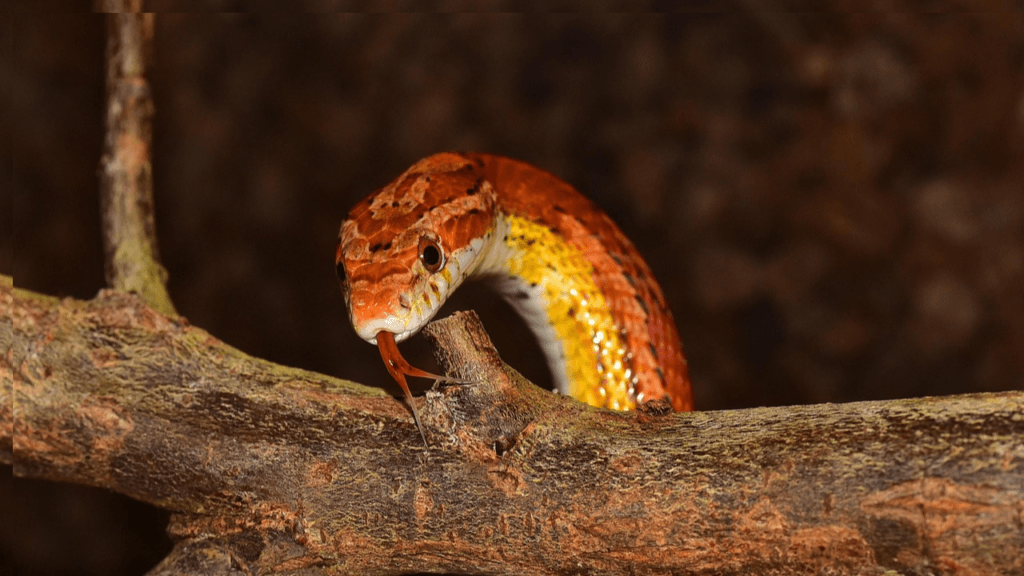
The enclosure is not just a container but the snake’s entire world. Every element inside affects how the snake eats, rests, sheds, and explores. Poor environmental balance can cause stress even when food and handling are correct. A healthy habitat supports natural behaviors without forcing constant adjustment. Stability is what allows corn snakes to thrive.
Maintaining Stable Temperature Gradients
A proper temperature gradient allows corn snakes to regulate their body temperature naturally. The warm side supports digestion and activity. The cool side allows rest and recovery. Temperatures should be checked regularly to ensure consistency. Stable gradients prevent stress and health issues.
Monitoring Humidity Consistently
Humidity plays a key role in shedding and respiratory health. Levels should stay within a healthy range rather than fluctuating wildly. Too little humidity causes shedding problems. Too much humidity increases mold and respiratory risk. Monitoring removes guesswork.
Using Reliable Measuring Tools
Thermometers and hygrometers provide accurate information about enclosure conditions. Guessing leads to mistakes and unnecessary adjustments. Digital tools are usually more reliable. Measurements should be taken from both warm and cool areas. Accurate data supports confidence.
Choosing The Right Substrate
Substrate affects comfort, cleanliness, and humidity behavior. It should be safe, dust free, and easy to maintain. Substrate should not remain damp for long periods. The right choice simplifies daily care. Poor substrate choices cause avoidable issues.
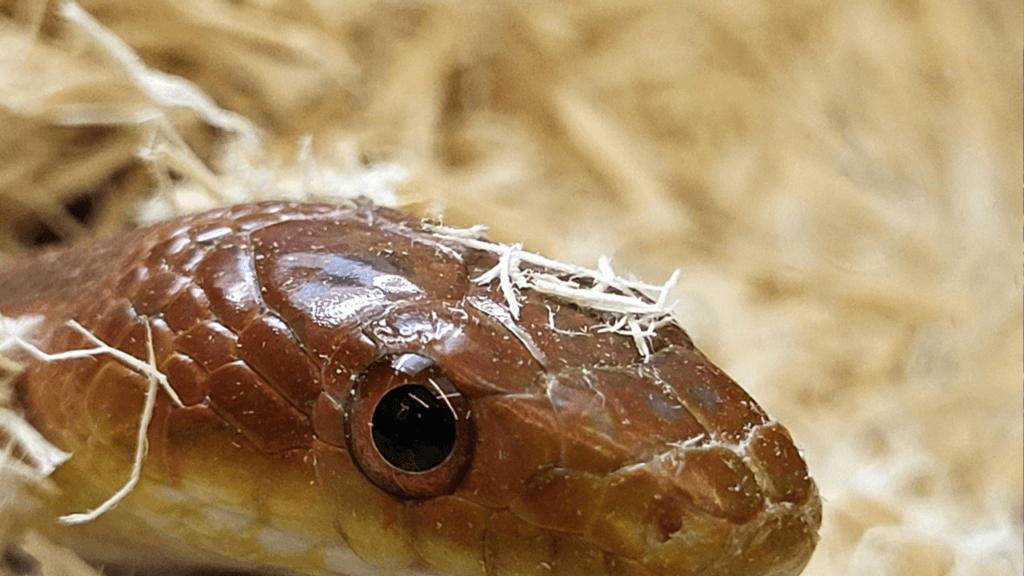
Spot Cleaning As A Daily Habit
Spot cleaning keeps waste from building up and reduces bacteria. Daily checks prevent odors and contamination. Waste often collects in hides and corners. Small cleanups reduce the need for frequent deep cleaning. Consistency keeps conditions stable.
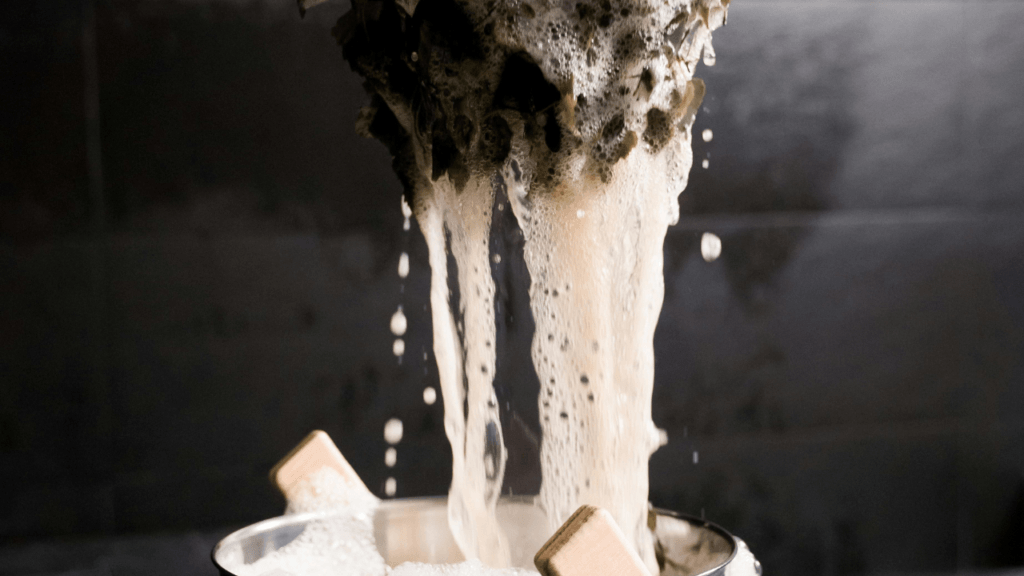
Scheduling Regular Deep Cleaning
Deep cleaning resets the enclosure environment. Old substrate and residue hold bacteria and moisture. Deep cleaning should follow a predictable schedule. Overcleaning is unnecessary but neglect causes problems. Balance supports long term health.
Managing Ventilation And Airflow
Ventilation controls moisture and air quality. Poor airflow traps stale air and humidity. Excess airflow dries the enclosure too quickly. Balanced ventilation supports respiratory health. Air movement should be intentional.
Preventing Mold And Bacteria Growth
Clean surfaces and controlled moisture reduce growth risk. Mold often develops in damp areas that go unnoticed. Regular inspection prevents escalation. Drying the enclosure thoroughly after cleaning is essential. Prevention is easier than correction.
Providing Adequate Hides And Cover
Hides help corn snakes feel secure and reduce stress. At least one hide should be on each temperature zone. Additional cover breaks up open space. Snakes that feel safe behave more calmly. Security supports health.
Avoiding Overcrowding The Enclosure
Too much decor restricts movement and airflow. Enrichment should not block pathways or heat zones. Every item should serve a purpose. Open space is just as important as cover. Balance improves function.
Maintaining Clean Water Sources
Water bowls should be cleaned regularly to prevent bacteria buildup. Fresh water supports hydration and humidity balance. Spilled water should be addressed quickly. Bowl placement affects evaporation. Clean water supports comfort.
Observing Behavior Daily
Behavior is the best indicator of environmental health. Normal exploration and calm movement signal comfort. Refusal to eat or constant hiding may indicate issues. Observation helps identify problems early. The snake provides feedback.
Adjusting Gradually When Needed
Environmental changes should be made slowly. Sudden changes increase stress. Adjusting one factor at a time helps track results. Monitoring after adjustments is important. Patience improves outcomes.
Accounting For Seasonal Changes
Room conditions change throughout the year. Winter air is often drier. Summer heat can raise enclosure temperatures. Seasonal awareness prevents surprises. Proactive adjustments reduce stress.
Keeping Equipment Maintained
Heating and monitoring equipment should be checked regularly. Faulty equipment causes dangerous fluctuations. Thermostats and probes should be tested. Replacing worn equipment prevents emergencies. Maintenance supports safety.
Maintaining Consistent Routines
Consistent routines create predictable environments. Feeding, cleaning, and monitoring schedules reduce stress. Snakes thrive on stability. Inconsistent care causes confusion. Routine simplifies management.
Avoiding Common Habitat Mistakes
Common mistakes include guessing conditions and overcorrecting issues. Ignoring ventilation or humidity leads to problems. Using unsafe materials increases risk. Education prevents these errors. Awareness improves care.
Organizing Supplies For Efficiency
Organized supplies make care easier and calmer. Feeding and cleaning tools should be easy to access. Disorganization leads to rushed decisions. Organization supports consistency. Preparation prevents stress.
Teaching Long Term Care Habits
Healthy habitats are maintained through habits, not shortcuts. Learning proper care early prevents mistakes. Experience builds confidence. Good habits become automatic. Long term care improves with time.
Long Term Benefits Of A Healthy Habitat
A healthy habitat supports digestion, shedding, and behavior. Stress levels remain low. Health issues are less likely to develop. Care becomes easier and more enjoyable. Stability benefits both snake and keeper.
Final Thoughts On Maintaining A Healthy Habitat Environment
Maintaining a healthy habitat environment requires balance, observation, and consistency. Temperature, humidity, cleanliness, and security all work together. Small daily habits prevent major problems. Monitoring guides effective adjustments. When the habitat is stable and well maintained, corn snakes remain calm, healthy, and easier to care for long term.