Corn snakes are one of the most commonly kept pet snakes, yet they are also one of the most misunderstood. Many people form opinions about them based on fear, movies, or incorrect information rather than actual experience. These misconceptions can make corn snakes seem more difficult or dangerous than they really are. In reality, corn snakes are calm, manageable, and well suited for beginners when cared for properly. Clearing up these misunderstandings helps people make better decisions and care for their snakes with confidence.
When I first started learning about snakes, I had a few assumptions that turned out to be completely wrong. I thought they were unpredictable, hard to care for, and not very interactive. Once I actually spent time learning and observing them, it became clear that most of those ideas came from myths rather than facts. Corn snakes are much simpler and more predictable than people expect.
TLDR: Common Misconceptions About Corn Snakes
Corn snakes are often misunderstood, but most common myths don’t reflect reality. They are not aggressive, dangerous, or difficult to care for. In fact, corn snakes are known for their calm nature, manageable size, and beginner friendly care needs. Misconceptions about feeding, behavior, and handling can lead to unnecessary fear or improper care. By understanding the truth, you can approach corn snake ownership with confidence and provide a safe, healthy environment for your pet.
Misconception One A Corn Snake Is Dangerous
One of the most common misconceptions is that corn snakes are dangerous to humans. Corn snakes are non venomous and pose no real threat when handled properly. They do not have venom and cannot harm people in the way many assume. Their first instinct is usually to escape rather than attack.
While a corn snake can bite if it feels threatened, bites are rare and usually harmless. Most bites happen when the snake is startled or mistakes a hand for food. Proper handling and awareness reduce the chances of this happening. In general, corn snakes are considered very safe pets.
Misconception Two Corn Snakes Are Aggressive
Another common belief is that corn snakes are aggressive by nature. In reality, corn snakes are typically calm and easy to handle once they become accustomed to their environment. Young snakes may be more defensive at first, but this usually improves with time and gentle handling.
What people often interpret as aggression is actually fear or stress. A snake that feels unsafe may try to defend itself. Providing a secure enclosure and handling the snake gently helps build trust. Over time, most corn snakes become relaxed and predictable.
If you need guidance on How To Handle And Socialize Your Corn Snake Safely come check out this button
Misconception Three Corn Snakes Require Complicated Care
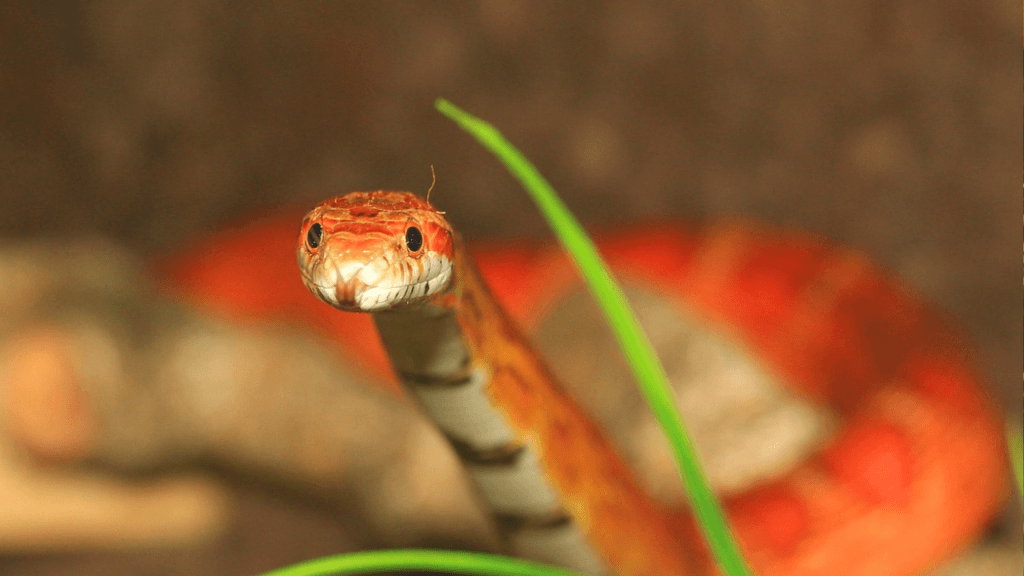
Some people believe that corn snakes are difficult to care for and require complex setups. While they do need proper housing and environmental conditions, their care is actually quite manageable compared to many other reptiles. They need a secure enclosure, proper temperatures, moderate humidity, and regular feeding.
Once the setup is established, daily care becomes simple and routine. Many beginners find that corn snakes are easier to care for than expected. Consistency matters more than complexity. Keeping conditions stable helps prevent most common problems.
Misconception Four Corn Snakes Grow Too Large
Many people assume that corn snakes grow extremely large and become difficult to manage. In reality, corn snakes are medium sized snakes that usually reach between three and five feet in length. Their bodies remain relatively slender compared to larger species.
This size makes them easy to handle and house. They are large enough to be interesting but not so large that they require excessive space or strength to manage. Their manageable size is one of the reasons they are recommended for beginners.
Misconception Five Corn Snakes Do Not Show Any Behavior
Some people think snakes are inactive and do not show any real behavior. Corn snakes are actually quite curious and active, especially during the evening. They explore their enclosure, climb, and investigate their surroundings. Watching these behaviors can be interesting for keepers.
While they are not interactive in the same way as dogs or cats, they still display natural behaviors that can be observed and appreciated. Understanding these behaviors helps owners provide better care and enrichment.
Misconception Six Corn Snakes Need Live Food
A common misconception is that corn snakes must be fed live prey. In most cases, corn snakes can be successfully fed frozen thawed mice. This is often safer for both the snake and the prey. Live feeding can sometimes result in injury to the snake if the prey defends itself.
Frozen thawed feeding is widely recommended and commonly practiced. Most corn snakes accept this type of feeding without issue once they are established. This makes feeding more convenient and controlled for the owner.
Misconception Seven Corn Snakes Do Not Need Attention
Some people believe that corn snakes can be left alone without any attention. While they are low maintenance compared to many pets, they still require regular care and observation. Their enclosure must be cleaned, water must be refreshed, and feeding schedules must be maintained.
Handling is also beneficial when done properly. It helps the snake become comfortable with human interaction. Regular observation allows owners to notice changes in behavior or health. Even low maintenance pets still require consistent care.
Misconception Eight All Morphs Have Different Care Needs
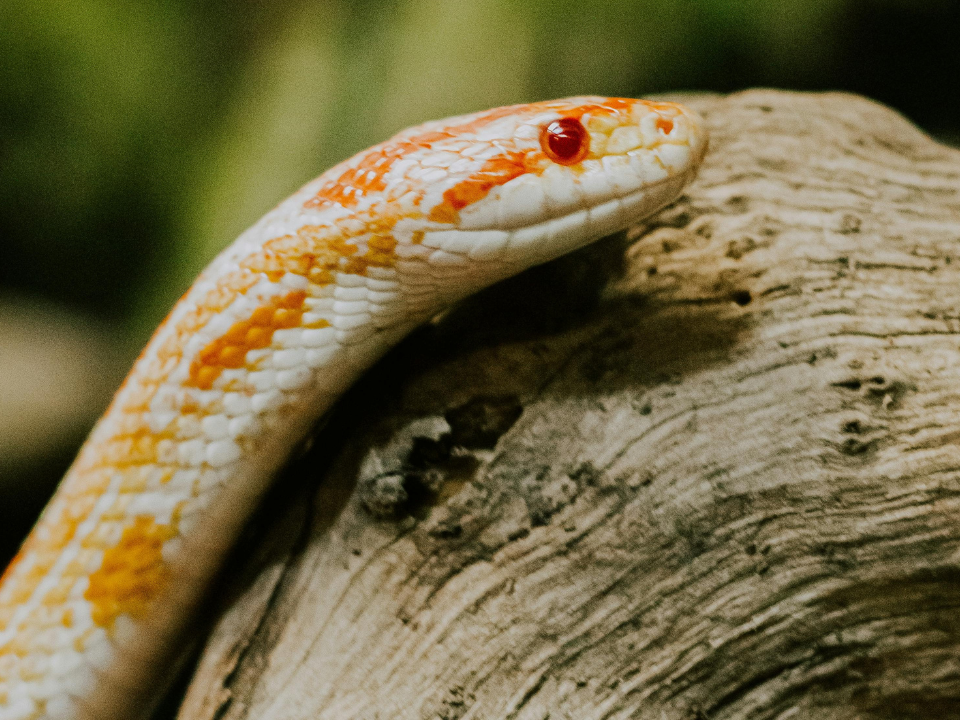
Because corn snakes come in many different colors and patterns, some people assume each morph requires different care. In reality, most morphs have the same care requirements. Temperature, humidity, and feeding schedules remain consistent across morphs.
The differences between morphs are mostly visual. While some rare morphs may have minor sensitivities, these are not common. For most keepers, caring for one morph is the same as caring for another.
Why These Misconceptions Matter
Misconceptions can lead to poor care decisions or unnecessary fear. When people believe incorrect information, they may avoid keeping snakes or may care for them improperly. Understanding the truth helps improve the experience for both the owner and the snake.
Accurate information allows keepers to provide better environments and respond to their snake’s needs correctly. It also helps reduce fear and build confidence. Education is one of the most important parts of responsible pet ownership.
FAQ: Common Misconceptions About Corn Snakes
Are corn snakes dangerous to humans?
No. Corn snakes are non-venomous and generally very calm. They may bite if startled, but bites are rare and typically harmless. With proper handling and a secure environment, corn snakes are considered one of the safest pet snakes.
Do corn snakes grow too large to handle?
No. Most corn snakes reach about 3 to 5 feet in length, which is very manageable for most owners. Their size is one reason they are recommended for beginners compared to larger snake species.
Are corn snakes aggressive?
Corn snakes are not naturally aggressive. What people often interpret as aggression is usually defensive behavior caused by fear, stress, or improper handling. With consistent, gentle handling, most corn snakes become calm and easy to manage.
If you are unsure how to build trust, learning proper handling techniques can make a big difference.
Do corn snakes need live food to survive?
No. Corn snakes do very well on frozen-thawed prey, which is actually safer than feeding live rodents. Frozen prey reduces the risk of injury and is more convenient for most keepers.
Are corn snakes hard to take care of?
Corn snakes are considered one of the easiest pet snakes to care for. They have simple enclosure needs, moderate humidity requirements, and predictable feeding habits. Most care challenges come from incorrect setup rather than the snake itself.
Do corn snakes require special lighting like UVB?
No. Corn snakes do not require UVB lighting to survive. However, providing a natural day and night cycle can support their overall routine and activity levels.
Temperature regulation is far more important than lighting when it comes to their health.
Do corn snakes smell bad?
No. Corn snakes themselves do not have a strong odor. Any unpleasant smell usually comes from an unclean enclosure. Regular spot cleaning and proper habitat maintenance keep odors under control.
Can corn snakes recognize their owners?
Corn snakes do not form emotional bonds in the same way mammals do, but they can become familiar with their environment and handling routine. Over time, they may become calmer and more predictable when handled regularly.
Do corn snakes need constant attention?
No. Corn snakes are low-maintenance pets that do not require daily interaction. While regular handling helps with socialization, they are perfectly comfortable spending time alone in a properly set up enclosure.
Are corn snakes a good choice for first-time reptile owners?
Yes. Corn snakes are widely considered one of the best beginner snakes due to their manageable size, calm temperament, and straightforward care requirements. They provide a great introduction to reptile ownership.
Final Thoughts On Corn Snake Misconceptions
Corn snakes are often misunderstood due to myths and incorrect assumptions. In reality, they are calm, manageable, and relatively easy to care for when proper husbandry is followed. They are not dangerous, not aggressive, and do not require complicated care. Clearing up these misconceptions helps people better understand and appreciate these reptiles. With the right knowledge, corn snakes can be rewarding and fascinating pets for many years.