
Handling and socializing your corn snake is one of the most rewarding parts of owning one. It helps build trust, reduces stress over time, and makes routine care much easier. Corn snakes are naturally calm, but they still need time to get used to being handled. Learning how to handle your snake properly keeps both you and your snake safe. A relaxed approach makes all the difference.
When I first handled a corn snake, I expected it to be unpredictable or fast. Instead, it was calm but curious, just slowly exploring my hands like I was a moving branch. That’s usually what handling feels like once you get the hang of it. They are not trying to escape every second, they are just figuring things out in their own way.
TLDR: How To Handle And Socialize Your Corn Snake Safely
Handling and socializing your corn snake safely starts with patience and consistency. Allow your snake time to settle before handling, approach calmly, and support its body fully to prevent stress or injury. Keep sessions short at first and avoid handling during shedding, after feeding, or when your snake seems stressed. Regular, gentle interaction helps build trust and results in a calmer, more manageable snake over time.
Understanding Your Snake’s Behavior First
Before handling your corn snake, it helps to understand how it feels in its environment. A new snake may be nervous because everything is unfamiliar. During this time, it may hide more or move quickly when disturbed. This is normal behavior and not a sign of aggression.

Giving your snake time to settle into its enclosure is important. Most snakes need about a week to adjust before regular handling begins. During this time, focus on feeding and maintaining a stable environment. Once the snake feels secure, it will be easier to handle calmly.
When To Handle And When To Wait
Timing plays a big role in safe handling. Corn snakes should not be handled right after eating because they need time to digest their food. Handling too soon can cause stress and may even lead to regurgitation. It is best to wait at least 24 to 48 hours after feeding.
You should also avoid handling during shedding. When a snake is shedding, its vision becomes cloudy and it may feel more vulnerable. This can make the snake more defensive. Waiting until the shed is complete makes handling smoother and less stressful.
How To Pick Up Your Corn Snake
Approaching your snake calmly is the first step. Sudden movements can startle it and cause a defensive reaction. Slowly place your hand under the middle of the snake’s body and gently lift. Supporting the body helps the snake feel secure.
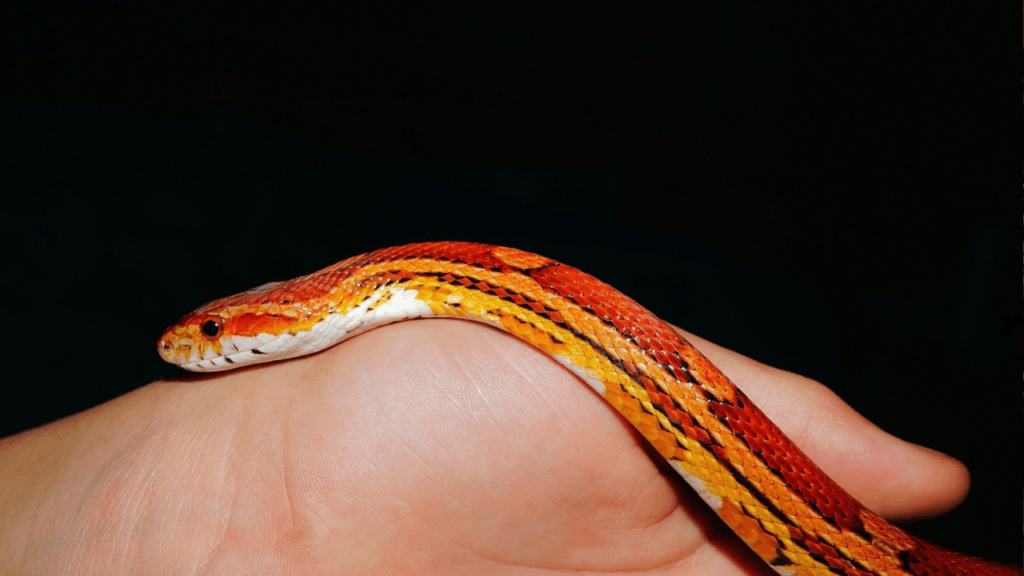
Avoid grabbing the snake from above like a predator would. This can cause fear and make the snake try to escape. Instead, move slowly and confidently. Once lifted, allow the snake to move through your hands rather than trying to hold it tightly.
Proper Handling Technique
Corn snakes should be supported along their body while being handled. Let the snake move naturally between your hands as it explores. Trying to hold the snake in one position can make it uncomfortable. Gentle movement helps the snake stay calm.
Keep your grip relaxed but secure. You do not want to squeeze the snake, but you also do not want it to fall. Think of your hands as a steady surface the snake can move across. This makes the experience comfortable for both you and the snake.
If you need any guidance on The Ultimate Corn Snake Care Guide For Beginner come check out this button
Building Trust Over Time
Socializing your corn snake is a gradual process. Short, regular handling sessions help the snake become familiar with you. Start with just a few minutes at a time and slowly increase the duration. Consistency helps build trust.
At first, your snake may move quickly or seem unsure. Over time, it will become more relaxed during handling. Regular interaction teaches the snake that handling is not a threat. Patience is key during this process.
Recognizing Signs Of Stress
It is important to recognize when your snake is stressed. Signs may include rapid movement, trying to escape, or defensive postures. If your snake seems uncomfortable, it is best to return it to its enclosure and try again later.
A calm snake will move slowly and explore without tension. Learning to read these signals helps prevent negative experiences. Respecting your snake’s limits builds trust and reduces stress over time.
Preventing Bites
Corn snake bites are rare but can happen if the snake feels threatened or mistakes your hand for food. Washing your hands before handling can help remove any food scent. This reduces the chance of a feeding response.
Moving slowly and avoiding sudden motions also helps prevent bites. Most bites are quick and harmless, but they can be avoided with proper handling techniques. Staying calm is important if a bite does occur.
Handling Frequency
Handling your corn snake a few times per week is usually enough for socialization. Daily handling is not necessary and may cause stress if overdone. Giving your snake time to rest between sessions is important.
Finding a balance between interaction and rest helps keep your snake comfortable. Regular but not excessive handling leads to the best results. Consistency matters more than frequency.
Creating A Safe Handling Environment
Handling should take place in a safe and controlled environment. Sitting on the floor or over a soft surface can prevent injury if the snake falls. Avoid handling near areas where the snake could escape.
Keeping distractions low helps both you and the snake stay focused. A calm environment makes handling easier and safer. This also reduces the chance of sudden movements that could startle the snake.
FAQ: How To Handle And Socialize Your Corn Snake Safely
Is it safe to handle a corn snake?
Yes, corn snakes are generally safe to handle and are known for their calm temperament. They are non-venomous and rarely bite. When handled properly, they tend to be very manageable, even for beginners.
How often should I handle my corn snake?
Handling a few times per week is ideal. This helps your snake get used to your presence without overwhelming it. Short, calm sessions are better than long or frequent handling.
When should I not handle my corn snake?
You should avoid handling your snake right after feeding, during shedding, or when it is showing signs of stress. Handling at these times can lead to discomfort or defensive behavior.
How long should handling sessions last?
For beginners, handling sessions should last around 5 to 10 minutes. As your snake becomes more comfortable, sessions can gradually become longer.
How do I pick up my corn snake safely?
Gently approach from the side rather than from above. Support the snake’s body with both hands and allow it to move naturally. Avoid sudden movements or grabbing quickly, as this can startle the snake.
Why should I avoid grabbing from above?
In the wild, predators approach from above. When you reach down quickly, your snake may interpret it as a threat and react defensively.
What is the best way to hold a corn snake?
Let the snake move through your hands while you gently support its body. Do not grip tightly. Think of guiding rather than holding.
Should I support the whole body?
Yes. Supporting as much of the snake’s body as possible helps it feel secure and reduces stress.
How do I get my corn snake used to handling?
Start slowly. Begin with short, gentle sessions and increase frequency over time. Consistency is key. Your snake will gradually learn that handling is not a threat.
How long does it take for a corn snake to get comfortable?
It varies. Some snakes adjust within a few sessions, while others may take weeks. Patience and consistency make a big difference.
Can I handle my snake every day?
It is better to give your snake rest days. Handling too often can lead to stress rather than comfort.
Why is my corn snake trying to escape when I handle it?
This is normal, especially at first. Your snake is exploring or trying to find a secure place. Over time, as it becomes more comfortable, this behavior usually becomes less frantic.
Why does my corn snake move quickly during handling?
Quick movement can be a sign of nervousness or curiosity. As your snake becomes more familiar with handling, movements usually become calmer.
Why does my corn snake freeze when I pick it up?
Freezing is a defensive response. Your snake is trying to avoid detection. Staying calm and handling gently can help reduce this behavior over time.
What are signs my corn snake is stressed during handling?
Signs include rapid movements, defensive postures, hissing, striking, or trying to escape repeatedly. If you notice these, it is best to return the snake to its enclosure.
What should I do if my corn snake bites me?
Stay calm and avoid pulling away quickly. Corn snake bites are usually minor and rarely serious. Wash the area and review handling techniques to prevent future bites.
Can handling too much cause problems?
Yes. Overhandling can lead to stress, which may affect feeding and behavior. Balance is important.
How soon can I handle a new corn snake?
It is best to wait about 5 to 7 days after bringing your snake home. This gives it time to adjust to its new environment.
Should I handle my snake before or after feeding?
Handling should be avoided for at least 24 to 48 hours after feeding to prevent regurgitation.
Can I handle my corn snake during shedding?
It is best not to. Snakes can be more sensitive and defensive during shedding because their vision is reduced.
Can children handle corn snakes?
Yes, but only with supervision. Children should be taught to handle the snake gently and calmly to avoid stressing it.
Can handling make my snake more friendly?
Handling does not change personality, but it helps your snake become more comfortable and less stressed around people.
What is the biggest mistake beginners make when handling?
The biggest mistake is moving too quickly. Fast movements can startle the snake and create unnecessary stress.
Do corn snakes recognize their owners?
Corn snakes do not recognize owners in the same way mammals do, but they can become familiar with handling and routine, which reduces stress.
Can handling help build trust?
Yes. Consistent, gentle handling helps your snake feel more secure and less threatened over time.
How do I know if my snake is comfortable being handled?
A comfortable snake will move calmly, explore slowly, and not show defensive behavior during handling.
Final Thoughts On Handling And Socializing Corn Snakes
Handling and socializing your corn snake safely takes patience, consistency, and understanding. By approaching your snake calmly, supporting its body, and respecting its behavior, you can build trust over time. Corn snakes are naturally manageable and become more relaxed with regular, gentle handling. Avoiding stressful situations and learning proper techniques helps create a positive experience for both you and your snake. With time, handling becomes simple and enjoyable, turning your corn snake into a confident and comfortable companion.