
Corn snakes are known not only for their calm temperament and manageable size, but also for the incredible variety of color and pattern variations known as morphs. Over the years, selective breeding has produced dozens of unique corn snake morphs, each with its own appearance and visual appeal. These morphs do not change the snake’s personality or care requirements, but they can greatly influence appearance. Some morphs are bright and bold, while others are subtle and soft in color. Understanding the most popular morphs helps keepers appreciate the diversity within this species.
When I first started learning about corn snakes, I assumed there were only a few basic colors. It turns out the variety is much larger than most people expect. Some morphs look almost like completely different species at first glance. Despite these differences in appearance, they are still the same reliable and beginner friendly corn snake underneath. Morphs are simply different ways nature’s palette has been rearranged.
TLDR: Popular Corn Snake Morphs And Their Characteristics
Corn snake morphs come in a wide variety of colors and patterns created through selective breeding. Popular morphs like Amelanistic, Snow, Okeetee, and Anerythristic each have unique visual traits, from bright reds and oranges to soft whites and silvers. While their appearance may differ, their care requirements remain the same. Understanding these morphs helps beginners choose a snake they love while learning how genetics influence color, pattern, and overall appearance.
The Classic Normal Corn Snake
The normal, or wild type, corn snake is the original appearance found in nature. These snakes typically display orange, red, and brown saddle shaped markings along their backs. Their bellies feature a distinctive black and white checkerboard pattern. The colors help them blend into leaf litter and forest environments.
Many keepers still appreciate the natural beauty of the normal morph. While some people chase rare color combinations, the classic look remains striking and timeless. Normal corn snakes also tend to be widely available and affordable. They are a great introduction to the species.
If you need more guidance on Breeding Corn Snakes: A Beginner’s Guide come check out this button
Amelanistic Corn Snakes
Amelanistic corn snakes, often called “amel,” lack the dark pigment known as melanin. This results in bright red, orange, and white coloration without the typical black markings. Their eyes are usually red or pink due to the absence of dark pigment. The overall appearance is vibrant and eye catching.
Amelanistic morphs were among the first color variations widely bred in captivity. Their bright coloration makes them one of the most recognizable corn snake morphs. Many beginners choose this morph because the colors are so striking. Despite the dramatic appearance, their care remains identical to other corn snakes.
Anerythristic Corn Snakes
Anerythristic corn snakes, often shortened to “anery,” lack red pigment. Instead of warm oranges and reds, these snakes display shades of gray, black, and silver. The result is a cooler toned appearance that contrasts sharply with traditional corn snake colors. Their patterns remain similar but the color palette changes dramatically.
Anery morphs are popular among keepers who prefer darker or more subtle coloration. The absence of red pigment gives them a sleek and almost metallic look. As they mature, some individuals develop deeper charcoal tones. This morph highlights how dramatically genetics can alter appearance.
Snow Corn Snakes
Snow corn snakes are a combination of the amelanistic and anerythristic genes. These snakes lack both red and dark pigments, producing soft pastel colors. Their bodies often appear white, pale pink, or light cream with faint pattern markings. Their eyes typically remain pink or red.
The snow morph is known for its delicate and almost ghostlike appearance. Hatchlings often start with faint patterns that may soften even more with age. Because of their pale coloration, they stand out clearly against darker substrates. Snow corn snakes are especially popular with keepers who enjoy lighter colored reptiles.
Okeetee Corn Snakes
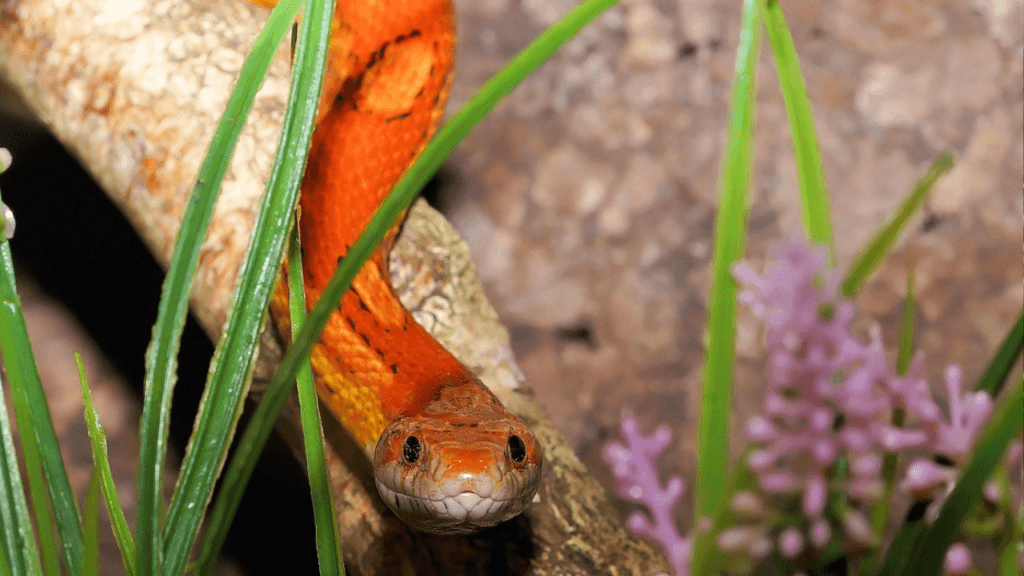
Okeetee corn snakes are known for their bold coloration and thick black borders around their saddle patterns. This morph originated from wild populations found in South Carolina. The bright orange background and dark pattern outlines make them visually striking. The contrast gives them a dramatic appearance.
Many keepers consider the Okeetee morph one of the most beautiful natural variations. While it closely resembles the wild type, the colors are more intense. Breeders have also developed “extreme Okeetee” lines with even stronger contrast. This morph highlights the beauty of natural genetic variation.
Lavender Corn Snakes
Lavender corn snakes display soft purplish gray tones with darker saddle markings. Their coloration often appears muted when young but becomes richer as they mature. The lavender hue is subtle but unique compared to most corn snake morphs. Their eyes are typically dark.
This morph is admired for its unusual and elegant coloration. Instead of bright oranges or stark whites, lavender corn snakes present a gentle pastel look. Their appearance often changes slightly with age as the colors deepen. The result is a morph that feels both unusual and refined.
Ghost Corn Snakes
Ghost corn snakes combine the anerythristic gene with another gene that softens dark pigment. The result is a snake with muted gray and smoky tones. Patterns appear faded compared to standard corn snakes. This gives them a slightly translucent or “ghostlike” look.
Ghost morphs are appreciated for their subtle beauty. Instead of bright contrast, they display smooth transitions between shades. The faded appearance makes them look almost mysterious. Their understated coloration attracts keepers who prefer softer visuals.
Butter Corn Snakes
Butter corn snakes are closely related to the amelanistic morph but feature yellow tones instead of bright orange. Their bodies often display creamy yellow backgrounds with soft pattern markings. The lack of dark pigment keeps the appearance bright and clean. Their eyes are typically pink or red.
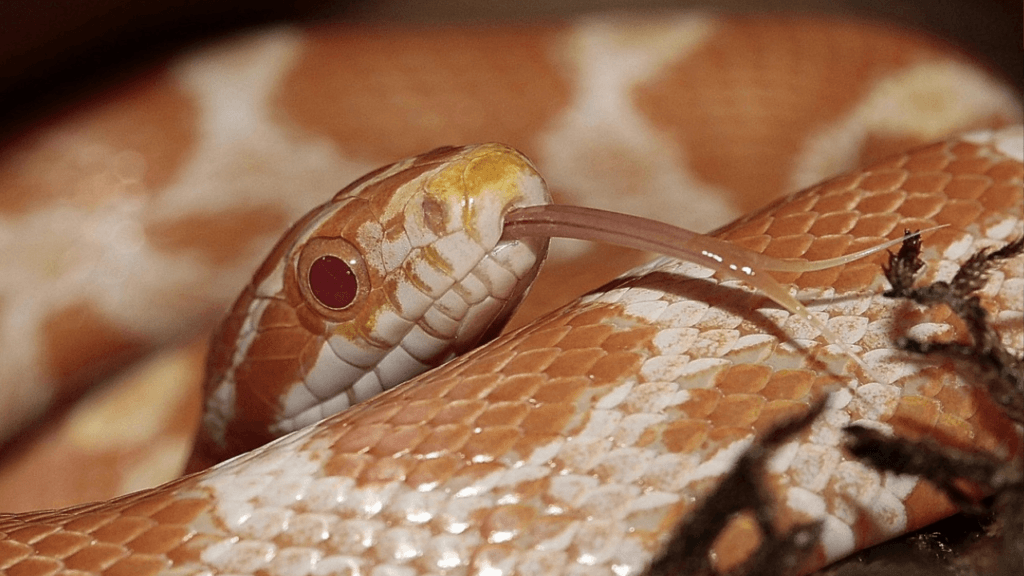
This morph is popular among keepers who prefer warmer yellow shades. The coloration can resemble pale sunlight tones rather than fiery oranges. Butter corn snakes often maintain their bright appearance as they grow. The result is a cheerful and eye catching morph.
Why Morphs Do Not Change Care Requirements
Despite the wide range of appearances, morphs do not significantly change corn snake care. Temperature, humidity, enclosure size, and feeding remain the same regardless of color. A lavender corn snake requires the same habitat as an amelanistic or normal corn snake. Morph differences are cosmetic rather than behavioral.
This makes morph selection a matter of personal preference. Some people choose bright snakes, while others prefer darker or pastel colors. Care consistency remains the same across the species. This reliability is one reason corn snakes are so popular.
Choosing A Morph That Fits Your Preference
When choosing a morph, appearance is usually the main deciding factor. Some keepers enjoy bold, high contrast snakes, while others prefer softer tones. Availability and price may also influence the choice. Rare morphs can sometimes cost more due to limited breeding.
Personality differences are generally minimal between morphs. The individual snake matters more than the color. Observing behavior and overall health should always come before appearance. A healthy snake will always make a better choice than a rare morph with problems.
FAQ: Popular Corn Snake Morphs And Their Characteristics
What is a corn snake morph?
A corn snake morph is a genetic variation that changes the snake’s color, pattern, or both. These variations occur through selective breeding and natural genetic mutations. While morphs can look dramatically different, they are still the same species and require the same care, enclosure setup, and environmental conditions.
Do different corn snake morphs require different care?
No. Most corn snake morphs have identical care requirements. Temperature, humidity, enclosure size, and feeding schedules remain the same regardless of color or pattern. Before choosing a morph, it is helpful to understand proper enclosure setup and environmental conditions so your snake stays healthy.
What are some of the most popular corn snake morphs?
Some of the most well-known corn snake morphs include:
• Albino (Amelanistic)
• Snow
• Bloodred
• Okeetee
• Lavender
• Ghost
• Butter
Each morph displays unique color combinations and pattern variations that appeal to different keepers.
What is the difference between Albino and Snow corn snakes?
Albino corn snakes lack black pigment, which gives them bright red, orange, and white coloration. Snow corn snakes are a combination morph that removes both black and red pigments, creating a soft white and pink appearance.
Are certain corn snake morphs more expensive?
Yes. Morph prices vary depending on rarity, genetics, and demand. Common morphs like Albino or Okeetee are usually more affordable, while complex designer morphs can be significantly more expensive due to selective breeding.
Do corn snake morphs affect temperament?
No. Temperament is generally influenced by handling, environment, and individual personality rather than morph type. A well-socialized corn snake is usually calm regardless of its coloration.
How do breeders create new corn snake morphs?
Breeders selectively pair snakes carrying specific genetic traits to produce new combinations of colors and patterns. Over multiple generations, these traits can become stable and recognized as new morphs.
If you are interested in the breeding side of morph development, learning the basics of responsible corn snake breeding is an important first step.
Are some morphs more delicate than others?
Most corn snake morphs are hardy and easy to care for. However, certain rare morphs may have slightly higher sensitivity due to the genetics involved. Proper enclosure conditions and attentive care remain the most important factors for keeping any morph healthy.
Can two different corn snake morphs be bred together?
Yes. Breeding two different morphs can produce offspring with a mix of genetic traits. However, breeding requires careful planning, knowledge of genetics, and proper preparation to ensure the health of both snakes and their offspring.
How do I choose the right corn snake morph for me?
Choose a morph based on appearance and availability rather than perceived difficulty. All corn snakes require similar care, so the best morph is simply the one you enjoy looking at and feel excited to care for
Final Thoughts On Corn Snake Morphs
Corn snake morphs demonstrate how selective breeding can create stunning visual diversity within a single species. From bright red amelanistics to pale snow morphs and smoky ghost varieties, the options are extensive. Despite these differences in appearance, all corn snakes share the same calm temperament and manageable care requirements. This combination of beauty and reliability is why they remain one of the most beloved reptiles in captivity. Whether someone prefers natural patterns or unusual colors, there is likely a corn snake morph that perfectly matches their taste.