
Scheduling regular maintenance tasks is essential for keeping a corn snake enclosure clean, stable, and healthy over the long term. Corn snakes depend on consistent environmental conditions, and maintenance routines are what keep those conditions from slowly drifting out of range. Without a schedule, important tasks are easy to forget or delay. Regular upkeep prevents small issues from becoming major problems. A simple routine supports stress free care.
TLDR: Scheduling Regular Maintenance Tasks
Scheduling regular maintenance tasks keeps your corn snake’s enclosure clean, stable, and safe. Routine actions like spot cleaning, checking temperature and humidity, refreshing water, and inspecting equipment help prevent problems before they start. A consistent schedule makes care easier and supports your snake’s long-term health.
Why Maintenance Scheduling Matters
Corn snake enclosures are closed systems where waste, moisture, and temperature changes can build up quietly. Skipping maintenance allows problems to develop slowly without obvious warning signs. A schedule removes guesswork and creates consistency. Consistent care leads to stable conditions. Stability supports health and predictable behavior.

Daily Maintenance Tasks
Daily tasks focus on quick checks rather than deep cleaning. Water bowls should be checked and refreshed if needed. Waste should be removed as soon as it is noticed. Temperature and humidity readings should be glanced at daily. These small habits prevent buildup and imbalance.
Weekly Maintenance Tasks
Weekly tasks go a step beyond daily checks. Spot cleaning should be more thorough during weekly maintenance. Decor and hides should be inspected for waste or moisture buildup. Equipment should be visually checked for proper function. Weekly routines keep the enclosure from slowly declining.
If you need any guidance on How To Handle Waste Disposal Safely come check out this button
Monthly Maintenance Tasks
Monthly maintenance includes deeper cleaning and inspection. Substrate may need partial or full replacement depending on type. Enclosure surfaces should be cleaned and dried completely. Heating and monitoring equipment should be tested. Monthly resets help maintain long term cleanliness.
Tracking Feeding And Cleaning Together
Feeding schedules and cleaning schedules work best when coordinated. Waste often appears after feeding, so timing checks helps efficiency. Logs help prevent missed meals or overfeeding. Written records reduce reliance on memory. Organization supports consistency.
Using Reminders And Checklists
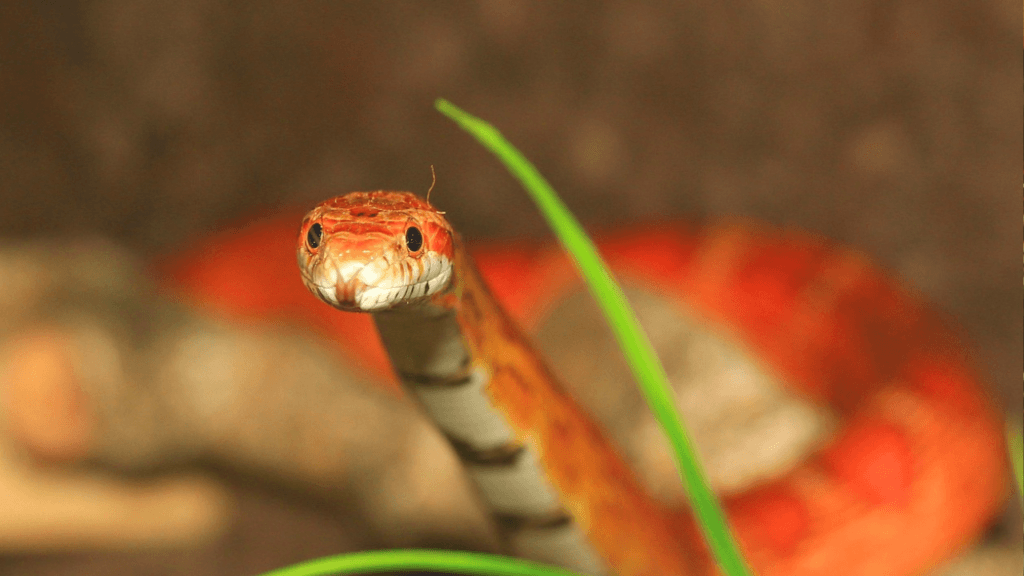
Reminders help prevent skipped tasks during busy weeks. Checklists provide clarity and reduce stress. Digital reminders or written notes both work well. Clear systems support follow through tools improve reliability.
Adjusting Schedules For Growth Stages
Juvenile corn snakes may require more frequent checks. Adult snakes may produce waste less often. Schedules should adapt to age and size. Flexibility keeps care appropriate. Observation guides changes.
Seasonal Maintenance Adjustments
Seasonal changes affect enclosure conditions. Winter may require more humidity checks. Summer may require more temperature monitoring. Maintenance frequency may increase during seasonal transitions. Awareness prevents surprises.
Inspecting Equipment Regularly
Equipment failure can cause serious problems quickly. Thermostats and probes should be tested on a schedule. Heating elements should be checked for wear. Early detection prevents emergencies. Maintenance protects safety.
Preventing Burnout Through Routine
Clear schedules reduce decision fatigue. Knowing what needs to be done removes mental strain. Routine care feels manageable instead of overwhelming. Consistency builds confidence. Structure supports long term success.
Avoiding Overcleaning
Overcleaning can be just as harmful as neglect. Excessive disruption increases stress for the snake. Schedules help prevent unnecessary cleaning. Balance keeps the enclosure stable. Less intervention often works better.
Teaching Good Maintenance Habits
Maintenance habits develop with repetition. Starting with simple routines prevents mistakes. Education builds confidence early. Good habits become automatic. Skill grows over time.
Adapting Schedules When Problems Arise
If issues appear, schedules may need temporary adjustment. Increased cleaning may be needed short term. Once stability returns, routines can normalize. Flexibility supports problem solving. Observation guides response.
Keeping Maintenance Supplies Ready
Supplies should be organized and easy to access. Missing tools delay tasks. Preparation prevents rushed decisions. Organization supports routine completion. Readiness improves consistency.
Long Term Benefits Of Scheduled Maintenance
Scheduled maintenance prevents health issues and stress. Enclosures stay cleaner and more stable. Care becomes predictable and efficient. Emergencies become less likely. Routine supports long term health.
FAQ: Scheduling Regular Maintenance Tasks For Corn Snakes
Why is it important to schedule regular maintenance for a corn snake enclosure?
Regular maintenance keeps your snake’s environment clean, stable, and safe. Without a routine, waste, bacteria, and humidity issues can build up quickly, which can lead to stress and health problems. A schedule helps you stay consistent and prevents small issues from turning into bigger ones.
What should be included in a maintenance schedule?
A complete maintenance schedule should include daily checks, regular spot cleaning, weekly upkeep, and full enclosure cleaning every few weeks. It should also include checking temperature, humidity, water, and the condition of all equipment.
What daily tasks should I perform?
Daily tasks include checking temperature and humidity levels, making sure the water dish is clean and full, and looking for any waste that needs to be removed. These quick checks help catch problems early.
How often should I spot clean the enclosure?
Spot cleaning should be done as soon as you notice waste. This helps prevent bacteria buildup and keeps the enclosure from developing odors.
What is considered a deep clean?
A deep clean involves removing all substrate, cleaning and disinfecting the enclosure, and washing all decor and hides. This resets the environment and removes any hidden bacteria.
How often should I do a full enclosure cleaning?
A full cleaning is typically done every 3 to 4 weeks, depending on the size of the enclosure and how quickly it gets dirty.
Should I remove my snake during cleaning?
For deep cleaning, yes. Your snake should be placed in a safe temporary container. For spot cleaning, it is usually not necessary unless your snake is in the way or stressed.
How do I keep my snake calm during maintenance?
Move slowly and avoid sudden movements. Keeping the routine consistent helps your snake become more comfortable with maintenance over time.
What cleaning products are safe to use?
Only use reptile-safe cleaning products or diluted solutions that leave no harmful residue. Avoid strong chemicals that could affect your snake’s health.
Can I use household cleaners?
Most household cleaners are not safe for reptile enclosures because they can leave toxic residues. It is best to avoid them.
How do I clean water dishes properly?
Water dishes should be washed regularly with hot water and cleaned more thoroughly during deep cleaning to prevent bacteria buildup.
What happens if I don’t clean regularly?
A lack of cleaning can lead to bacteria growth, mold, unpleasant odors, and potential health issues for your snake.
How do I track my maintenance schedule?
You can use a simple checklist, calendar, or reminder system to stay consistent with your routine.
Should maintenance change as my snake grows?
Yes, larger snakes produce more waste and may require more frequent cleaning or adjustments to the schedule.
Can poor maintenance affect feeding behavior?
Yes, a dirty or unstable environment can stress your snake and lead to feeding issues.
How do I check if my enclosure is staying clean?
Look for signs like clear surfaces, no strong odors, and dry, clean substrate. Regular observation helps you stay ahead of problems.
What equipment should I check regularly?
Check thermometers, hygrometers, heating elements, and any lighting to make sure everything is working properly.
Can humidity problems be caused by poor maintenance?
Yes, dirty or damp substrate can affect humidity levels and lead to issues like mold or improper shedding conditions.
How long does maintenance usually take?
Daily checks take only a few minutes, while deep cleaning may take 20 to 40 minutes depending on the setup.
What is the biggest mistake with maintenance?
The biggest mistake is inconsistency. Skipping routine tasks can quickly lead to bigger problems that are harder to fix.
Can regular maintenance reduce stress?
Yes, a clean and stable environment helps your snake feel secure and reduces stress.
Is it better to clean on a schedule or as needed?
Both. Daily checks and spot cleaning should be done as needed, while deep cleaning should follow a regular schedule.
How do I make maintenance easier?
Keeping tools organized, following a routine, and staying consistent will make maintenance quicker and less stressful.
Final Thoughts On Scheduling Regular Maintenance Tasks
Scheduling regular maintenance tasks keeps corn snake care consistent, safe, and manageable. Daily, weekly, and monthly routines work together to maintain balance. Planning removes guesswork and reduces stress. Observation helps refine schedules over time. When maintenance becomes routine, corn snake care becomes easier and more reliable.