Cleaning routines matter because how you clean a corn snake enclosure directly affects hygiene, stress levels, and long term health. Spot cleaning and deep cleaning serve different purposes, and both are necessary for proper care. Confusing the two can lead to either overcleaning or neglect. Understanding the difference helps you maintain balance instead of reacting randomly. When cleaning is done correctly, enclosure care becomes predictable and manageable.
Understanding What Spot Cleaning Is
Spot cleaning focuses on removing waste as soon as it appears. This usually includes feces, urates, shed skin, or soiled substrate. Spot cleaning prevents bacteria from building up between full cleanings. It keeps the enclosure fresh without disrupting the snake’s environment. This type of cleaning is quick but very important.
Why Spot Cleaning Should Be Frequent
Corn snakes produce waste regularly, even if it is not always obvious. Leaving waste behind allows bacteria and odor to build over time. Frequent spot cleaning reduces the need for aggressive deep cleaning later. It also keeps humidity and substrate quality more stable. Consistent spot cleaning supports a healthier enclosure.
What Deep Cleaning Involves
Deep cleaning is a full reset of the enclosure. This includes removing all substrate, decor, and accessories. The enclosure itself is cleaned and disinfected thoroughly. Deep cleaning removes hidden bacteria and residue that spot cleaning cannot reach. It is more intensive but necessary.
Why Deep Cleaning Is Still Necessary
Even with excellent spot cleaning, bacteria and moisture can accumulate over time. Substrate absorbs waste particles that are not always visible. Decor and enclosure seams can harbor residue. Deep cleaning prevents long term hygiene problems. It resets the enclosure to a clean baseline.
How Often Spot Cleaning Should Be Done
Spot cleaning should be done whenever waste is noticed. There is no strict schedule because waste appears unpredictably. Daily visual checks help catch messes early. Removing waste promptly prevents odor and contamination. Spot cleaning is a routine habit, not an event.
How Often Deep Cleaning Should Be Done
Deep cleaning frequency depends on enclosure size, substrate type, and snake habits. Most setups benefit from deep cleaning every four to six weeks. Heavily soiled enclosures may require more frequent cleaning. Waiting too long increases bacteria levels. Scheduling deep cleans prevents neglect.
Stress Differences Between Cleaning Types
Spot cleaning causes minimal stress because the snake often remains in the enclosure. Deep cleaning requires temporarily removing the snake, which can be stressful. Limiting deep cleaning to necessary intervals reduces disruption. Spot cleaning helps maintain stability. Balance protects comfort.
The Role Of Substrate In Cleaning Needs
Substrate choice affects how often cleaning is required. Some substrates absorb moisture quickly. Others hold odor longer. Spot cleaning extends substrate life, but deep cleaning is still needed. Substrate behavior influences cleaning schedules.
Cleaning Hides And Decor During Each Method
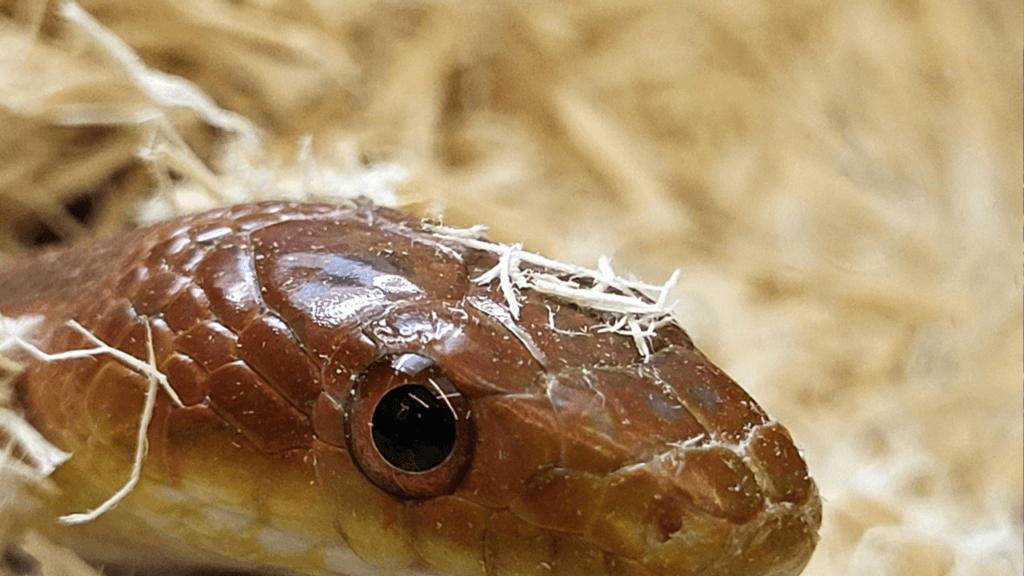
During spot cleaning, hides should be checked for waste buildup. Decor may need occasional wiping if soiled. During deep cleaning, all hides and decor should be fully cleaned. Porous items require extra attention. Clean accessories support hygiene.
Managing Odor Through Proper Cleaning
Odor usually signals insufficient cleaning. Spot cleaning removes odor sources early. Deep cleaning eliminates lingering smells. Masking odor with scented products is unsafe. Proper cleaning addresses the cause, not the symptom.
Avoiding Overcleaning Mistakes
Overcleaning can cause unnecessary stress. Deep cleaning too frequently removes familiar scents. Snakes rely on environmental consistency. Spot cleaning prevents the need for excessive deep cleaning. Less disruption leads to calmer behavior.
Avoiding Undercleaning Mistakes
Undercleaning allows bacteria and waste to accumulate. Skipping spot cleaning leads to odor and hygiene issues. Delaying deep cleaning increases health risks. Balance is essential. Consistency prevents extremes.
Using Safe Cleaning Products
Both spot and deep cleaning require reptile safe products. Harsh chemicals leave harmful residues. Unscented and diluted cleaners are preferred. Products should be used as directed. Safety matters during every cleaning.
Preparing For Deep Cleaning Properly
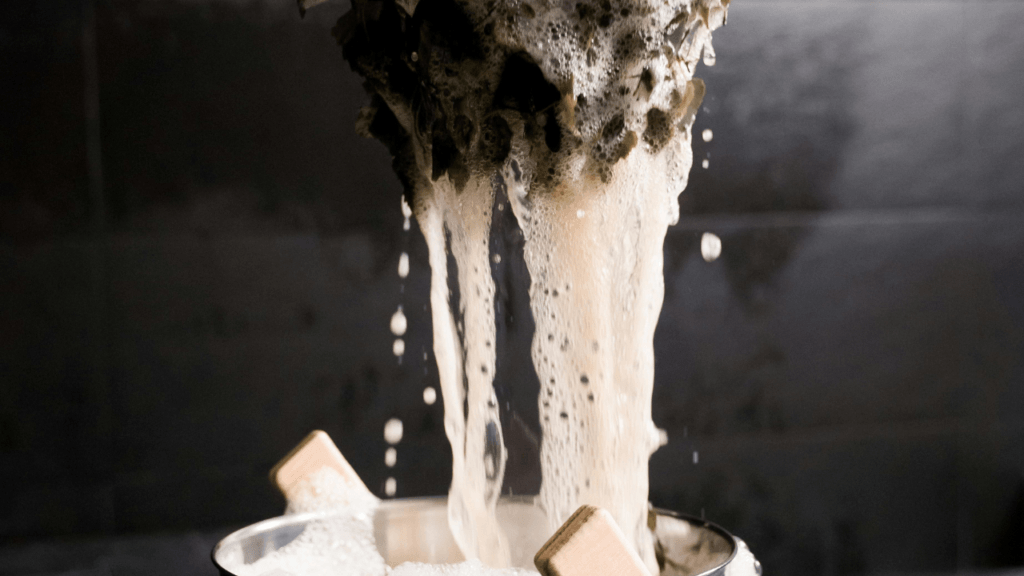
Preparation reduces stress and mistakes during deep cleaning. Supplies should be ready before removing the snake. A secure temporary container is necessary. Rushing increases errors. Preparation improves efficiency.
Returning The Snake After Cleaning
The enclosure should be fully set up before the snake returns. Familiar layout helps reduce stress. Handling should be minimal after reintroduction. Calm transitions support comfort. Stability matters after cleaning.
Observing Behavior After Cleaning
Behavior after cleaning provides useful feedback. Normal exploration indicates comfort. Excessive hiding may indicate stress. Observation helps refine cleaning routines. Snakes communicate through behavior.
Building A Balanced Cleaning Routine
A balanced routine combines frequent spot cleaning with scheduled deep cleaning. This approach maintains hygiene without excess disruption. Routines reduce guesswork. Consistency improves long term care. Balance supports health.
Teaching New Keepers The Difference
Understanding cleaning types helps new keepers avoid mistakes. Many problems come from misunderstanding cleaning needs. Clear routines build confidence. Education supports responsible care. Good habits start early.
Long Term Benefits Of Proper Cleaning Balance
Proper cleaning balance reduces health risks and stress. Enclosures stay cleaner with less effort. Odor remains minimal. Care becomes predictable. Balance simplifies everything.
Final Thoughts On Spot Vs Deep Cleaning
Spot cleaning and deep cleaning work together, not against each other. Spot cleaning maintains daily hygiene. Deep cleaning resets the enclosure periodically. Both are necessary for long term health. Consistent routines prevent problems. When cleaning is balanced, corn snake care becomes easier and more reliable.