Choosing safe cleaning products is important because corn snakes are sensitive to residues, fumes, and lingering chemicals in their environment. Anything used inside the enclosure can affect breathing, skin health, and overall stress levels. Many household cleaners are too harsh and can cause problems even when used sparingly. Safe cleaning focuses on removing bacteria without introducing new risks. Understanding which products are appropriate helps protect long term health.
Why Cleaner Choice Matters For Corn Snakes
Corn snakes live in enclosed spaces where fumes and residues can linger longer than expected. Strong chemicals can irritate the respiratory system even after surfaces appear dry. Snakes absorb environmental cues through contact and air exposure. What smells clean to humans may be overwhelming to reptiles. Choosing gentle products reduces unnecessary stress.
Understanding Chemical Sensitivity In Reptiles
Reptiles process chemicals differently than mammals. Their respiratory systems are efficient but sensitive. Prolonged exposure to harsh cleaners can cause subtle health issues. These problems may not appear immediately. Prevention through safe product choice is easier than treatment.
What Makes A Cleaner Reptile Safe
Reptile safe cleaners are low odor, non toxic, and leave minimal residue. They should not contain ammonia, bleach fumes, or artificial fragrances. Products should break down quickly after use. Clear labeling and simple ingredients are important. Safety is defined by what remains after cleaning.
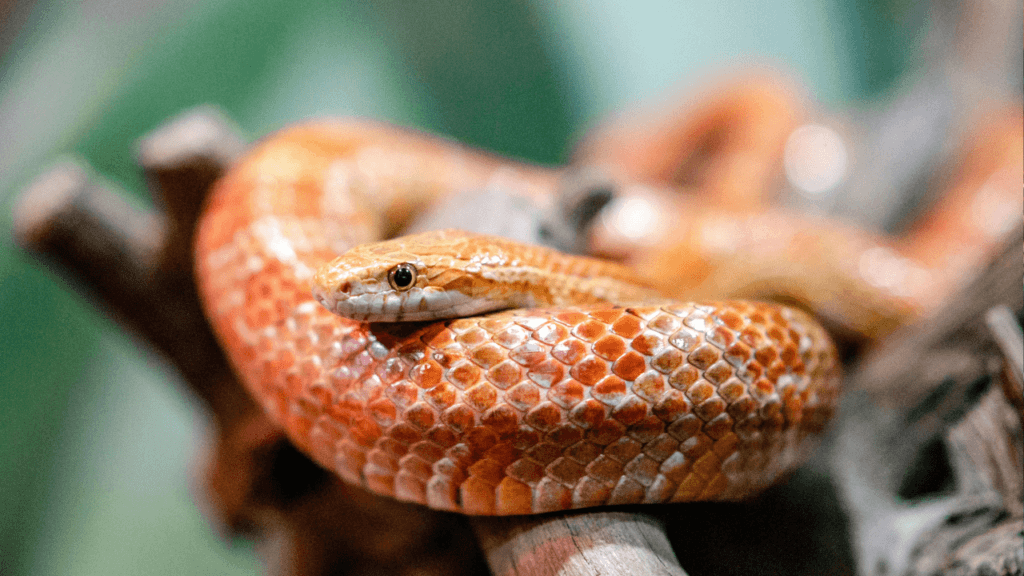
The Role Of Residue In Enclosure Safety
Residue left behind after cleaning can transfer to the snake’s skin. This exposure happens during normal movement and resting. Even small amounts can build up over time. Rinsing and drying reduce this risk significantly. Clean surfaces must also be residue free.
Vinegar As A Cleaning Option
Diluted white vinegar is commonly used for enclosure cleaning. It helps break down mineral deposits and mild bacteria. Vinegar should always be diluted with water before use. Strong vinegar odor fades quickly when rinsed properly. It is safe when used carefully.
Limitations Of Vinegar Cleaning
Vinegar is not a disinfectant on its own. It should not be relied on for deep sanitation needs. Heavy contamination requires stronger reptile safe products. Vinegar works best for routine maintenance. Understanding its limits prevents misuse.
Reptile Safe Commercial Cleaners
Commercial reptile cleaners are formulated specifically for enclosures. These products are designed to disinfect without harsh fumes. They are often used by breeders and professionals. Following label instructions is essential. Proper use provides reliable sanitation.
Using Diluted Reptile Disinfectants
Some reptile disinfectants must be diluted before use. Proper dilution ensures effectiveness without excess strength. Over concentration increases residue risk. Measuring accurately matters. Diluted solutions balance safety and sanitation.
Avoiding Bleach And Ammonia
Bleach and ammonia are common household cleaners but unsafe for reptile enclosures. Their fumes linger and irritate respiratory systems. Mixing these chemicals is especially dangerous. Even diluted use carries unnecessary risk. Safer alternatives should always be chosen.
Avoiding Scented And Antibacterial Cleaners
Scented cleaners introduce artificial fragrances that can stress corn snakes. Antibacterial sprays often contain unnecessary additives. Strong odors remain even after drying. Snakes cannot escape these smells. Unscented products are always preferable.
Using Dish Soap Carefully
Mild, unscented dish soap can be used for cleaning decor and water bowls. Soap should be thoroughly rinsed away after use. Residue left behind defeats the purpose of cleaning. Soap should never be used inside the enclosure directly. Controlled use is key.
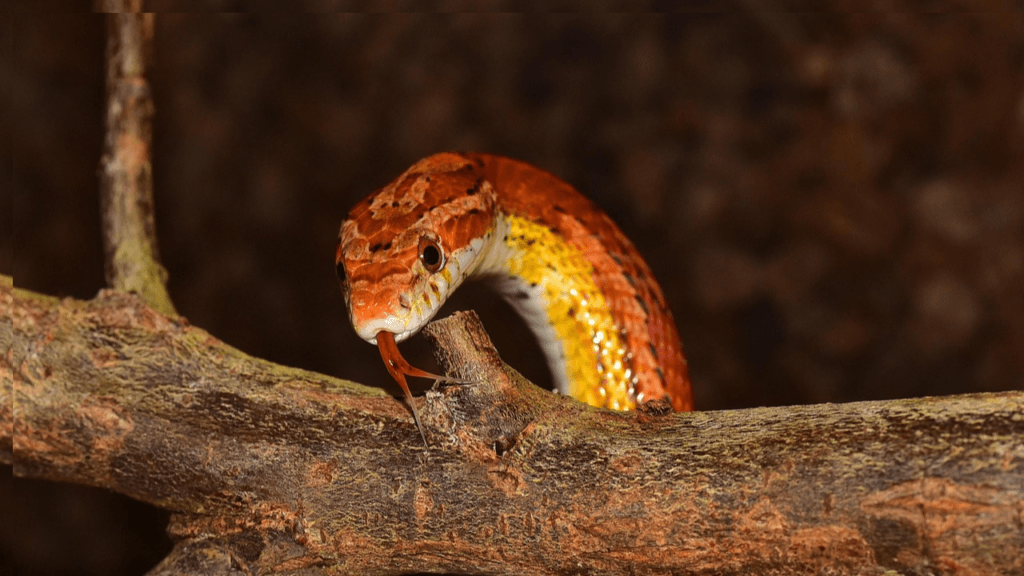
Cleaning Water Bowls Safely
Water bowls require frequent cleaning due to biofilm buildup. Warm water and mild soap work well for this task. Bowls should be rinsed completely before refilling. Soap residue should never remain. Clean bowls support hydration and health.
Cleaning Hides And Decor
Hides and decor should be cleaned with reptile safe solutions. Porous items may need extra rinsing and drying time. Cracked or damaged decor should be replaced. Clean accessories reduce bacteria buildup. Safe cleaning protects enclosure stability.
The Importance Of Rinsing After Cleaning
Rinsing removes leftover cleaning product residue. Even reptile safe cleaners can irritate if not rinsed properly. Rinse thoroughly with clean water. Drying should follow rinsing. This step is often overlooked but critical.
Drying Surfaces Before Reuse
Surfaces should be completely dry before returning the snake. Moisture traps bacteria and affects humidity levels. Damp surfaces can cause stress and imbalance. Drying allows odors to dissipate. Proper drying completes the cleaning process.
Cleaning Frequency And Product Strength
Frequent spot cleaning requires gentler products. Deep cleaning allows for stronger reptile safe disinfectants. Matching product strength to cleaning type prevents overexposure. Strong products should not be used daily. Balance protects health.
Avoiding Mixing Cleaning Products
Mixing products can create harmful chemical reactions. Even reptile safe products should not be combined. Use one cleaner at a time. Rinse thoroughly between different products. Mixing increases risk unnecessarily.
Using Gloves During Cleaning
Wearing gloves protects both the keeper and the enclosure. Gloves prevent transferring oils or chemicals from hands. They also reduce direct contact with waste. Disposable gloves are convenient and effective. Hygiene supports safety.
Cleaning Outside The Enclosure Area
Cleaning should be done away from food preparation areas. This prevents cross contamination. Dedicated cleaning tools reduce risk. Feeding and cleaning supplies should remain separate. Organization improves safety.
Storing Cleaning Products Safely
Cleaning products should be stored away from enclosures. Spills or fumes can affect nearby habitats. Proper storage prevents accidents. Labels should remain intact for reference. Safe storage completes responsible use.
Reading Labels And Instructions
Always read product labels before use. Instructions provide dilution and safety guidance. Skipping directions increases risk. Labels help confirm reptile safety. Information prevents mistakes.
Monitoring Snake Behavior After Cleaning
Behavior after cleaning provides important feedback. Normal exploration indicates comfort. Excessive hiding may signal irritation. Observation helps refine product choice. The snake communicates through behavior.
Common Mistakes With Cleaning Products
Using too much product is a common mistake. Skipping rinsing causes residue buildup. Choosing scented cleaners creates stress. Rushing cleaning leads to errors. Awareness prevents problems.
Teaching New Keepers Safe Cleaning Habits
New keepers often use household cleaners out of habit. Teaching safe alternatives prevents harm. Early education builds confidence. Safe habits become routine quickly. Knowledge improves care quality.
Long Term Benefits Of Safe Cleaning Products
Safe cleaning products support respiratory health and comfort. Reduced stress leads to better feeding and behavior. Enclosures remain stable and predictable. Health issues are less likely to develop. Safety simplifies care.
Final Thoughts On Safe Cleaning Products
Safe cleaning products are a key part of responsible corn snake care. Gentle, reptile safe options protect health without sacrificing cleanliness. Rinsing and drying are just as important as product choice. Avoiding harsh chemicals prevents long term problems. When cleaning is done safely, corn snake habitats remain