
Replacing substrate is an important part of corn snake care because substrate directly affects cleanliness, odor control, humidity, and overall comfort. Even with regular spot cleaning, substrate slowly collects waste, moisture, and bacteria over time. Knowing when to replace it prevents health issues before they start. Replacing substrate does not need to be constant, but it does need to be consistent. Understanding timing makes enclosure care easier and more predictable.
TLDR: Replacing Substrate: When And How Often
Replacing substrate regularly keeps your corn snake’s enclosure clean and hygienic. Spot clean waste as it appears, and fully replace the substrate on a consistent schedule based on enclosure conditions. Fresh substrate helps control odor, reduce bacteria buildup, and maintain a healthy environment.
Why Substrate Replacement Matters
Substrate absorbs waste particles that are not always visible. Over time, this buildup can affect air quality and humidity levels. Old substrate may look clean but still harbor bacteria. Replacing it resets the enclosure environment. Fresh substrate supports hygiene and comfort.
Spot Cleaning Versus Full Replacement
Spot cleaning removes visible waste and extends substrate life. Full replacement removes everything that spot cleaning cannot reach. Both play important roles in enclosure maintenance. Spot cleaning alone is not enough long term. Replacement completes the cleaning cycle.
Signs It Is Time To Replace Substrate
Strong odor is a common sign substrate needs replacing. Damp areas that do not dry out indicate buildup. Visible mold or clumping requires immediate replacement. Frequent waste in the same areas speeds up saturation. Observation helps determine timing.
How Often Substrate Should Be Replaced
Most enclosures require full substrate replacement every four to six weeks. High humidity setups may need more frequent changes. Dry setups may last slightly longer. Snake size and feeding frequency also affect timing. There is no single schedule that fits every enclosure.
How Substrate Type Affects Replacement Frequency
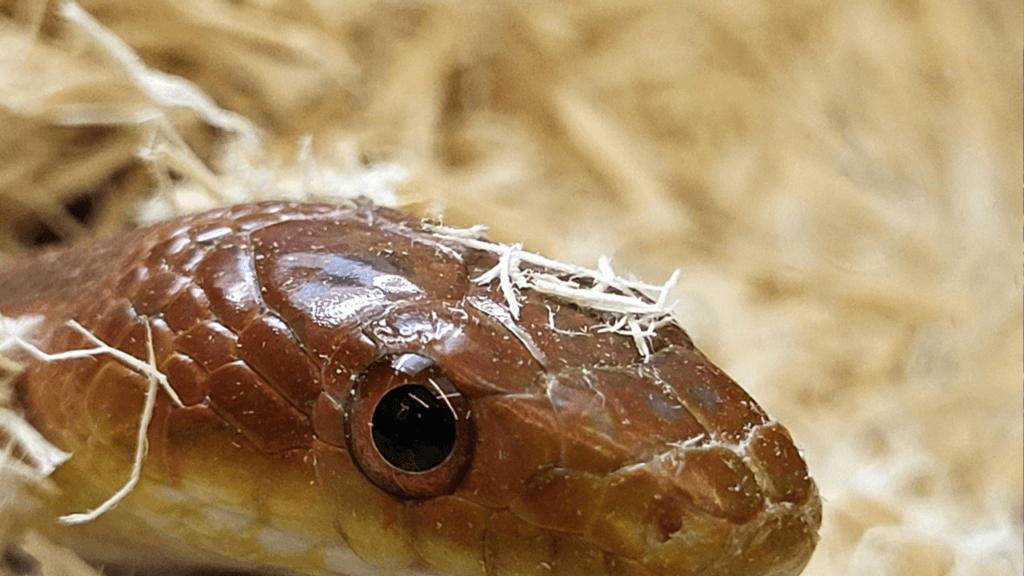
Different substrates behave differently over time. Aspen may need replacement more often due to odor retention. Moisture holding substrates may need closer monitoring. Paper substrates require more frequent changes but are simpler. Substrate choice influences routine.
Preparing For Substrate Replacement
Preparation makes the process faster and less stressful. Supplies should be ready before removing the snake. A secure temporary container is necessary. New substrate should be prepared in advance. Planning prevents rushing.
Safely Removing The Corn Snake
The snake should be moved calmly before substrate removal begins. Handling should be gentle and brief. The temporary container should be secure and familiar. Avoid unnecessary handling during this time. Calm removal reduces stress.
If you need any guidance on How To Handle And Socialize Your Corn Snake Safely come check out this button
Removing Old Substrate Completely
All old substrate should be removed during replacement. Leaving old material behind defeats the purpose. Corners and seams should be checked carefully. Disposal should be done hygienically. Complete removal resets the enclosure.
Cleaning The Enclosure Before Adding New Substrate
The enclosure should be cleaned after substrate removal. Surfaces should be wiped with reptile safe cleaners. Residue should be rinsed away if needed. The enclosure must be fully dry before refilling. Cleaning prepares a clean foundation.

Adding Fresh Substrate Correctly
Fresh substrate should be spread evenly across the enclosure floor. Depth should match the snake’s needs and behavior. Wet or clumped substrate should be avoided. Clean hands or tools should be used. Proper setup supports comfort.
Returning Decor And Hides
Decor and hides should be clean before returning them. Familiar placement helps reduce stress. Hides should be returned to warm and cool sides. Stable layout supports security. Familiarity helps adjustment.
Reintroducing The Snake After Replacement
The snake should be returned gently once the enclosure is ready. Avoid handling after reintroduction. Allow time for exploration and settling. Normal movement indicates comfort. Calm transitions matter.
Monitoring After Substrate Replacement
Behavior after replacement provides useful feedback. Normal exploration suggests success. Excessive hiding may indicate stress. Minor adjustments may help. Observation improves future routines.
Avoiding Common Replacement Mistakes
Replacing substrate too infrequently allows bacteria buildup. Replacing it too often causes unnecessary stress. Using scented products is unsafe. Rushing the process leads to errors. Balance prevents problems.
Adjusting Replacement Schedules Over Time
Replacement schedules may change as you gain experience. Growth, feeding habits, and enclosure changes affect timing. Observation helps refine routines. Flexibility improves care quality. Experience builds confidence.
Keeping A Maintenance Schedule
Tracking replacement dates helps maintain consistency. Notes prevent forgotten cleanings. Scheduled care reduces guesswork. Routine supports stability. Organization simplifies enclosure care.
Teaching New Keepers Proper Replacement Habits
Learning proper replacement timing prevents early mistakes. Clean enclosures reduce health risks. Clear routines build confidence. Good habits form early. Education supports responsible ownership.
Long Term Benefits Of Regular Substrate Replacement
Regular replacement supports hygiene and odor control. Stable environments reduce stress. Health issues are less likely to develop. Enclosure care becomes easier. Clean substrate supports long term success.
FAQ: Replacing Substrate: When And How Often For Corn Snakes
What is substrate and why is it important?
Substrate is the material that lines the bottom of your snake’s enclosure. It helps manage moisture, supports natural movement, and plays a role in cleanliness and overall habitat health. A good substrate also contributes to comfort and can reduce stress.
How often should I replace substrate in a corn snake enclosure?
Substrate should be spot cleaned regularly and fully replaced during deep cleaning, which is typically every 3 to 4 weeks. The exact timing can vary depending on enclosure size, humidity levels, and how quickly waste builds up.
What is spot cleaning and how does it affect substrate replacement?
Spot cleaning involves removing waste and soiled substrate as soon as it is noticed. This helps extend the life of the remaining substrate and keeps the enclosure clean between full replacements.
When should I replace substrate sooner than usual?
You should replace substrate early if you notice strong odors, mold, excessive moisture, or widespread contamination. These are signs that spot cleaning is no longer enough.
Can I replace only part of the substrate?
Yes, during spot cleaning you can remove and replace only the affected areas. However, a full replacement is still necessary on a regular schedule.
What happens if I don’t replace substrate regularly?
Old substrate can harbor bacteria, mold, and waste buildup. This can lead to poor air quality, stress, and potential health issues for your snake.
What are signs that substrate needs to be replaced?
Signs include unpleasant odors, damp or clumped areas, visible waste, or any signs of mold or discoloration.
How do I safely remove old substrate?
Remove your snake to a safe temporary container, then take out all substrate and dispose of it in a sealed bag. Clean the enclosure before adding new substrate.
Should I clean the enclosure when replacing substrate?
Yes, replacing substrate should always be combined with cleaning and disinfecting the enclosure to maintain a healthy environment.
How do I prepare new substrate?
Make sure the new substrate is clean, dry, and safe for reptiles. Spread it evenly across the enclosure to create a comfortable base.
How deep should substrate be?
Substrate depth should allow your snake to move comfortably and provide some natural interaction, usually around 1 to 2 inches depending on the type used.
Can substrate affect humidity?
Yes, substrate plays a major role in moisture retention. Some substrates hold more humidity than others, which can affect overall enclosure conditions.
What is the best substrate for corn snakes?
Aspen bedding is a popular choice because it is easy to clean and low in moisture retention. Coconut fiber is another option if you need more humidity control.
Can I mix different substrates?
Yes, mixing substrates can help balance moisture and texture, as long as all materials are safe for your snake.
Should I change substrate type over time?
You can adjust substrate type based on your needs, but changes should be made gradually to avoid stressing your snake.
How do I prevent substrate from becoming dirty too quickly?
Regular spot cleaning, proper feeding practices, and maintaining good humidity levels help keep substrate clean longer.
Can feeding inside the enclosure affect substrate cleanliness?
Yes, feeding in the enclosure can sometimes lead to mess, so it is important to remove any leftovers promptly.
How do I dispose of old substrate safely?
Place it in a sealed bag and dispose of it in the trash. This helps control odor and prevents contamination.
Can substrate cause health issues if not maintained?
Yes, dirty substrate can lead to bacteria buildup, mold, and potential respiratory or skin issues.
How do I know if my substrate routine is working?
If the enclosure stays clean, odor-free, and your snake shows normal behavior, your routine is working well.
What is the biggest mistake with substrate maintenance?
The biggest mistake is waiting too long to replace it. Delayed cleaning can quickly lead to larger problems.
Does substrate replacement affect stress levels?
Yes, frequent or sudden changes can cause stress, so it is best to follow a consistent schedule and avoid unnecessary disruptions.
Can proper substrate care improve overall health?
Yes, a clean and well-maintained substrate supports a healthy environment, which contributes to better feeding, shedding, and behavior.
Final Thoughts On Substrate Replacement
Replacing substrate at the right time keeps corn snake enclosures clean and comfortable. Spot cleaning extends life, but replacement completes hygiene. Observation guides timing better than rigid rules. Consistent routines prevent problems. When substrate is replaced properly, enclosure care stays simple and reliable.