Corn snakes are one of the most popular pet snakes in the world, especially for beginners who are interested in reptiles for the first time. While many species of snakes can be kept as pets, corn snakes stand out because of their calm temperament, manageable size, and relatively simple care requirements. These qualities make them easier to handle and care for compared to some other snake species. Understanding how corn snakes differ from other pet snakes helps owners choose the right reptile for their experience level. It also helps explain why corn snakes are often recommended as a first snake.
When people start researching pet snakes, they usually discover several species such as ball pythons, king snakes, and milk snakes. At first glance, many of these snakes may seem similar. However, each species has its own behaviors, care needs, and personality traits. Corn snakes tend to offer a balanced combination of manageable care and predictable behavior. This balance is one of the reasons they remain so popular among reptile keepers.
TLDR: How Corn Snakes Differ From Other Pet Snakes
Corn snakes stand out among pet snakes because of their calm temperament, manageable size, and relatively simple care requirements. Unlike larger or more defensive species, corn snakes are typically docile and easy for beginners to handle. They adapt well to captivity, eat reliably, and thrive in straightforward enclosure setups with proper heat and humidity. These qualities make corn snakes one of the most beginner friendly snake species and a popular choice for first time reptile owners.
Temperament Compared To Other Snakes
One of the biggest differences between corn snakes and some other pet snakes is temperament. Corn snakes are generally calm, curious, and tolerant of gentle handling. They rarely show defensive behavior once they become accustomed to their environment and keeper. This makes them easier for beginners who are still learning how to handle snakes properly.
Some other snake species may be more defensive or easily stressed. For example, certain king snakes or milk snakes can be more energetic and may move quickly during handling. While they are still manageable pets, they sometimes require more confidence from the keeper. Corn snakes tend to move calmly and predictably, which makes handling less intimidating.
If you need more guidance on How To Handle And Socialize Your Corn Snake Safely come check out this button
Size And Manageability
Corn snakes are considered medium sized snakes. Most adults grow between three and five feet long, which is large enough to be impressive but not overwhelming to handle. Their bodies remain relatively slender compared to many other snake species. This makes them easier to hold and manage during routine care.
Other popular pet snakes can grow larger or heavier. For example, some python species become much thicker and require stronger support when handled. Larger snakes also require larger enclosures and more space. Corn snakes offer a comfortable middle ground where the snake is noticeable in size but still manageable for most keepers.
Feeding Behavior
Corn snakes are well known for having strong feeding responses and reliable appetites. Most individuals accept frozen thawed mice without much difficulty once they are established. This consistency makes feeding easier for beginners who may feel nervous about the process at first.
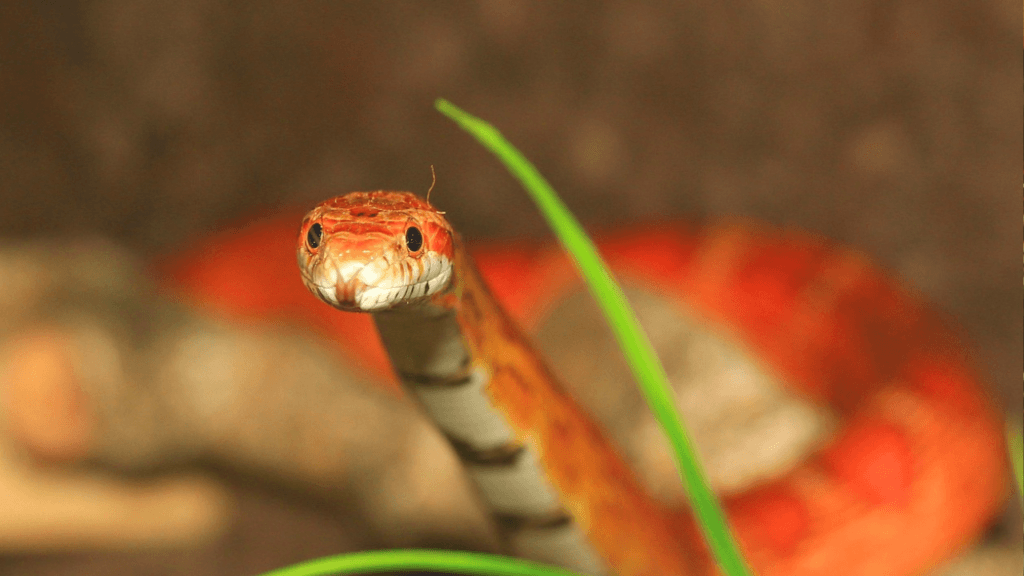
Some other pet snake species can be more selective with food. For example, ball pythons are known to occasionally refuse meals for long periods. While this is normal for that species, it can worry inexperienced keepers. Corn snakes usually eat regularly, which makes feeding schedules more predictable.
Habitat Requirements
Corn snakes have fairly simple enclosure requirements compared to some other snake species. They need a secure enclosure with proper heating, moderate humidity, and hiding places. Their habitat conditions are not extremely sensitive, which makes maintaining a stable environment easier.
Other snakes may require more specialized conditions. Some tropical species need higher humidity levels, while desert species require much drier environments. These conditions must be monitored carefully to prevent health problems. Corn snakes tend to tolerate small variations in conditions better than many other species.
Activity And Exploration
Corn snakes are naturally curious and enjoy exploring their environment. They often move around their enclosure during the evening hours, climbing on branches or investigating new spaces. This activity can make them interesting to observe for keepers who enjoy watching natural behaviors.
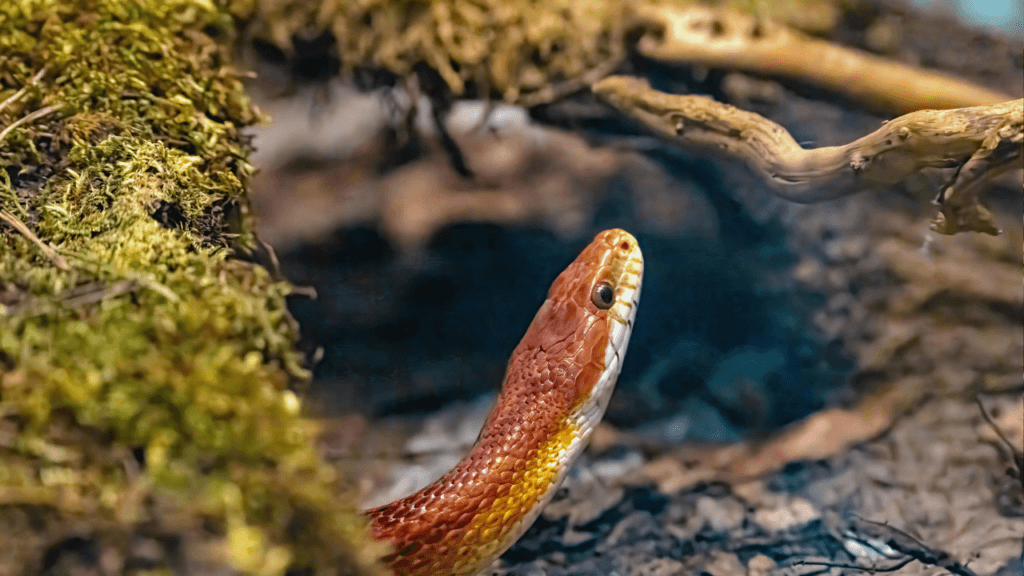
Some other snakes are less active and may spend most of their time hiding. Ball pythons, for example, are known for being more sedentary. While this does not make them poor pets, it means they may not move around as much as corn snakes. Corn snakes provide a good balance between calm behavior and occasional exploration.
Variety Of Morphs
Corn snakes are also known for having an incredible variety of morphs. Through selective breeding, breeders have developed many different color and pattern combinations. These morphs range from bright reds and oranges to pale whites and soft grays. This diversity allows keepers to choose a snake that matches their visual preference.
While other snake species also have morphs, corn snakes have one of the widest selections available. This has helped make them especially popular among collectors and hobbyists. Morph variety adds visual interest without changing the basic care requirements of the snake.
Ease Of Handling
Handling corn snakes is generally straightforward when done calmly and gently. Their slender bodies allow them to move smoothly through a keeper’s hands without feeling overly heavy. Most corn snakes become comfortable with regular handling over time. This makes them easier to work with during health checks or enclosure cleaning.
Some larger snakes may require more support or careful positioning when handled. This can make handling slightly more challenging for beginners. Corn snakes are often recommended for people who want to gain experience handling snakes safely.
Longevity And Commitment
Corn snakes can live for many years when properly cared for. Many individuals live between fifteen and twenty years in captivity. This lifespan is similar to many other commonly kept pet snakes. Owners should always be prepared for the long term responsibility of caring for a reptile.
The long lifespan allows keepers to build experience and confidence over time. As the snake grows, the owner becomes more familiar with its behavior and care needs. This long term relationship is part of what makes reptile keeping so rewarding.
Why Corn Snakes Are Often Recommended For Beginners
Corn snakes offer a unique combination of manageable size, calm temperament, reliable feeding habits, and straightforward care requirements. These qualities make them easier to care for compared to many other snake species. Beginners can learn important reptile care skills without feeling overwhelmed.
Their wide variety of morphs also allows keepers to enjoy different visual styles without changing the care routine. This balance between beauty and simplicity helps explain their popularity. Corn snakes provide a welcoming introduction to the world of reptile keeping.
FAQ: How Corn Snakes Differ From Other Pet Snakes
Why are corn snakes considered good beginner snakes?
Corn snakes are widely recommended for beginners because they are generally calm, adaptable, and relatively easy to care for compared to many other snake species. They tolerate regular handling well and typically have predictable feeding habits. Their manageable size and straightforward enclosure requirements make them an excellent introduction to snake keeping.
How do corn snakes compare to ball pythons as pets?
Corn snakes and ball pythons are both popular pet snakes, but they have different behaviors and care challenges. Corn snakes are usually more active and curious, while ball pythons tend to be more sedentary and shy. Ball pythons are also known for occasional feeding strikes, while corn snakes typically eat more consistently.
Are corn snakes easier to care for than larger snake species?
Yes. Corn snakes are generally easier to manage than larger snakes such as boas or pythons. Their smaller adult size, usually between 3 and 5 feet, means they require less space and smaller prey. This makes enclosure setup, feeding, and handling more manageable for most keepers.
Do corn snakes have different enclosure needs than other snakes?
Corn snake enclosure requirements are fairly simple compared to some tropical species. They need a secure enclosure with proper temperature gradients and moderate humidity levels. Unlike some reptiles that require very high humidity or specialized lighting, corn snakes adapt well to a straightforward enclosure setup.
Are corn snakes more active than other pet snakes?
Corn snakes are known for being curious and moderately active. They often explore their enclosure during the evening and night hours. Some other species, such as ball pythons, tend to hide more and move less frequently. Providing enrichment such as branches and hides helps support their natural exploratory behavior.
Are corn snakes less aggressive than other snakes?
Corn snakes are generally known for their calm temperament. While young snakes may show defensive behaviors like tail rattling or musking, they typically become more relaxed with consistent handling. True aggression is uncommon.
Do corn snakes eat different prey than other snakes?
Corn snakes primarily eat appropriately sized rodents such as mice. This diet is similar to many other pet snake species, but their feeding schedule and prey size are usually easier for beginners to manage compared to larger snake species.
Are corn snakes safer for families and first-time snake owners?
Corn snakes are considered one of the safest snake species for beginners and families interested in reptiles. They are non-venomous, manageable in size, and rarely display defensive biting when handled properly.
However, children should always handle snakes under adult supervision.
What makes corn snakes unique compared to other pet snakes?
Corn snakes are especially popular because of their wide variety of color morphs, predictable temperament, manageable size, and relatively simple care requirements. These traits have made them one of the most commonly kept pet snakes around the world.
Should beginners start with a corn snake or another species?
For most beginners, corn snakes are an excellent first snake. They offer a balance of beauty, manageable care requirements, and interactive behavior that helps new keepers gain confidence in reptile husbandry.
Final Thoughts On Corn Snakes Compared To Other Pet Snakes
Corn snakes differ from many other pet snakes by offering a balanced combination of calm behavior, manageable size, and reliable care requirements. While other snake species can make excellent pets, corn snakes often provide the most beginner friendly experience. Their predictable feeding habits, moderate habitat needs, and wide variety of morphs make them appealing to both new and experienced keepers. These qualities have helped corn snakes become one of the most trusted and widely recommended pet snakes in the reptile community.