Health issues in corn snakes often develop quietly, which is why observation and preventative care are so important. Corn snakes are hardy animals, but they rely entirely on their environment and routine for good health. Many problems begin as small changes that are easy to miss if you are not looking closely. Learning what signs to watch for helps you respond early rather than react late. Preventative care is always easier than treatment.
When I first started keeping corn snakes, I assumed health problems would be obvious and dramatic. What I learned instead is that most issues start subtly. Slight changes in behavior, appetite, or appearance were the first clues. Paying attention early made a big difference. Prevention quickly became part of daily care rather than something I worried about only when something went wrong.
TLDR: Health Issues In Corn Snakes: Signs To Watch For And Preventative Care
Understanding common health issues in corn snakes helps you catch problems early and prevent serious complications. Watch for signs like wheezing, mouth bubbles, retained shed, lethargy, swelling, refusal to eat, or visible mites. Many health concerns stem from improper temperature, humidity, hygiene, or nutrition. Maintaining a clean enclosure, stable environmental conditions, and a consistent feeding schedule greatly reduces risk. Routine observation is one of your most powerful tools. The sooner you notice changes, the better the outcome for your snake.
Why Preventative Care Matters
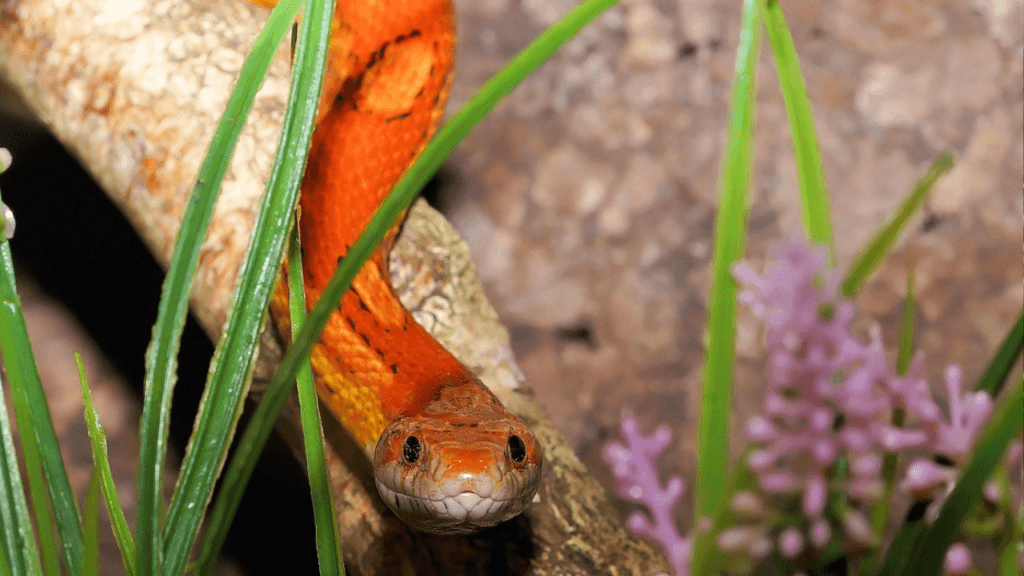
Preventative care focuses on keeping conditions stable so problems never develop in the first place. Corn snakes depend on proper temperature, humidity, cleanliness, and nutrition. When one of these factors is off, health issues can follow. Preventative care reduces stress, which plays a large role in overall wellness. Less stress means a stronger immune response.
Routine observation allows you to catch changes early. Early intervention often prevents minor issues from becoming serious. Preventative care is not about constant intervention. It is about consistency. Stable care supports long term health.
Changes In Appetite As A Warning Sign
One of the first signs of a health issue is a change in feeding behavior. Corn snakes that eat regularly may suddenly refuse food. While occasional refusal can be normal, repeated refusal deserves attention. Appetite changes often reflect environmental or health related problems. Patterns matter more than single missed meals.
Overeating can also be a concern. Obesity develops slowly and can shorten lifespan. Feeding schedules should match age and size. Monitoring appetite helps maintain healthy body condition. Balanced feeding supports digestion and energy levels.
Abnormal Shedding And Skin Issues
Shedding problems are common indicators of humidity issues. Incomplete sheds, retained eye caps, or patches of stuck skin signal dryness or imbalance. Healthy sheds usually come off in one piece. Difficult shedding often means adjustments are needed.
Skin should appear smooth and flexible between sheds. Redness, swelling, or lesions are not normal. These signs should never be ignored. Clean environments and proper humidity support skin health. Preventative care reduces shedding complications.
Respiratory Issues And Breathing Concerns
Respiratory infections are serious and often linked to improper humidity or ventilation. Signs include wheezing, clicking sounds, open mouth breathing, or excess mucus. These symptoms may appear gradually. Early detection is critical.
Poor airflow or overly damp conditions increase risk. Proper enclosure design helps prevent respiratory issues. If breathing sounds are noticed, conditions should be checked immediately. Veterinary care may be required if symptoms persist. Prevention starts with enclosure balance.
Mouth And Oral Health Problems
Mouth rot, also known as infectious stomatitis, can develop when bacteria build up. Signs include redness, swelling, discharge, or reluctance to eat. This condition often starts due to poor hygiene or stress. It can worsen quickly if untreated.
Maintaining clean surfaces and proper feeding practices reduces risk. Injuries from improper prey size can also contribute. Inspecting the mouth during routine observation helps catch issues early. Clean environments support oral health.
Weight Changes And Body Condition
Sudden weight loss or gain can indicate health problems. Weight loss may be linked to parasites, illness, or feeding issues. Weight gain often results from overfeeding. Neither should be ignored.
A healthy corn snake has a smooth, rounded body shape without sharp ridges or excessive bulging. Weighing occasionally helps track changes. Gradual growth is normal. Sudden changes deserve investigation. Monitoring body condition supports long term wellness.
Behavioral Changes And Lethargy
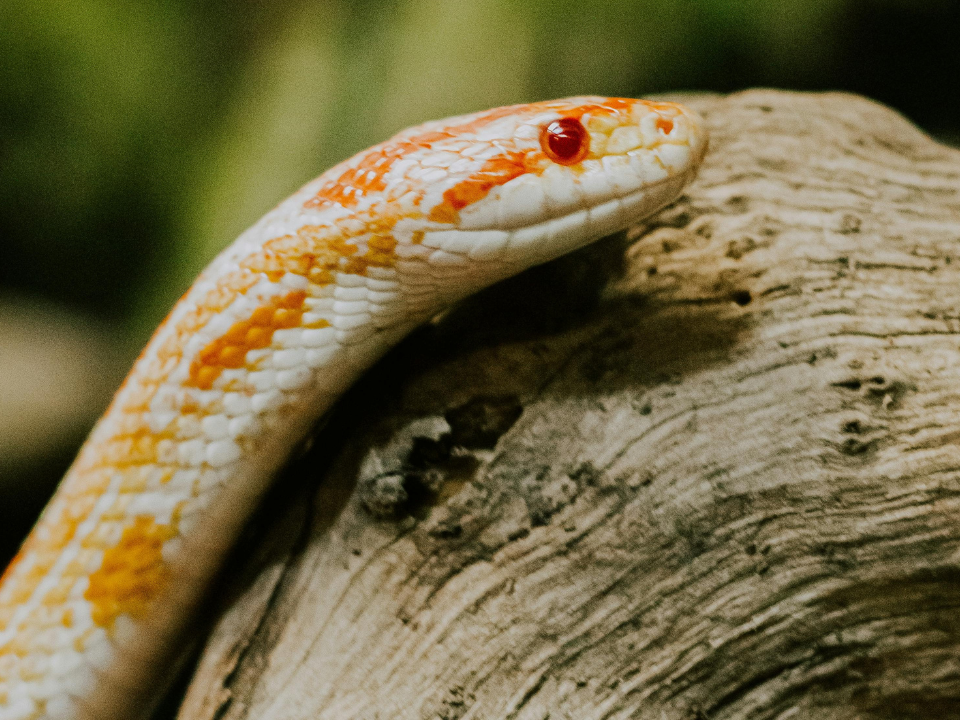
Behavior changes often signal health issues before physical symptoms appear. Lethargy, unusual hiding, or lack of exploration can indicate discomfort. Corn snakes naturally rest often, but extreme inactivity is different. Behavior should be evaluated over time.
Increased defensiveness or unusual movement may also indicate pain or stress. Behavioral shifts are communication. Ignoring them delays care. Observation allows problems to be addressed early. Calm behavior usually reflects good health.
Parasites And External Signs
Parasites are less common in captive bred corn snakes but still possible. External signs include excessive soaking, unusual scratching, or visible mites. Parasites cause irritation and stress. They can spread quickly if not addressed.
Quarantine procedures help prevent parasite introduction. New snakes should always be monitored separately. Clean enclosures reduce risk. Early detection prevents infestations. Prevention is easier than treatment.
The Role Of Proper Husbandry In Prevention
Most health issues in corn snakes are linked to husbandry rather than genetics. Incorrect temperatures, poor humidity, and inadequate hygiene are common causes. Stable routines prevent these problems. Consistency matters more than complexity.
Regular equipment checks help prevent failures. Thermostats, hygrometers, and heat sources should be inspected. Cleanliness reduces bacterial growth. Proper husbandry is the strongest form of preventative care.
If you need guidance on Top 5 Common Mistakes In Corn Snake Husbandry And How To Avoid Them come check out this button
When To Seek Veterinary Care
Some issues cannot be resolved through husbandry adjustments alone. Persistent symptoms, rapid decline, or visible injuries require professional help. Reptile experienced veterinarians are best equipped to diagnose and treat issues. Delaying care can worsen outcomes.
Knowing when to seek help is part of responsible ownership. Preventative care reduces emergencies but does not eliminate them entirely. Early veterinary involvement improves recovery chances. Preparedness supports better outcomes.
Building A Preventative Care Routine
Preventative care works best when built into daily and weekly routines. Simple checks become habits over time. Observation becomes second nature. Small issues are addressed before becoming serious. Routine care feels manageable.
Keeping basic records can help identify patterns. Feeding, shedding, and behavior notes provide useful reference. Preventative care becomes proactive rather than reactive. Confidence grows with consistency.
Long Term Benefits Of Preventative Health Care
Preventative care supports longer, healthier lives for corn snakes. Stress is reduced, behavior becomes predictable, and health issues are less frequent. Care feels calmer and more controlled. Emergencies become less common.
Preventative care also benefits the keeper. Confidence replaces worry. Decisions feel informed rather than rushed. The relationship with the animal becomes more rewarding. Prevention supports both sides of care.
FAQ: Health Issues In Corn Snakes
What are common health problems in corn snakes?
Common health issues in corn snakes include respiratory infections, retained shed, mites, mouth rot, parasites, and egg binding in females. Many of these problems are linked to improper temperature, humidity, or enclosure hygiene. Maintaining stable environmental conditions is one of the most effective preventative measures.
How can I tell if my corn snake has a respiratory infection?
Signs of a respiratory infection include wheezing, bubbling around the mouth or nose, frequent yawning, open-mouth breathing, and lethargy. Respiratory infections are often caused by incorrect humidity or low temperatures. If you notice these signs, review your enclosure conditions immediately and consult a reptile veterinarian.
Why is my corn snake not eating?
Refusal to eat can be caused by stress, incorrect temperatures, shedding, illness, or environmental changes. Before assuming illness, check that your warm side temperature is within the proper range. Improper heat is one of the most common causes of feeding issues.
If the problem continues beyond normal shedding cycles, further evaluation may be needed.
What does retained shed look like in corn snakes?
Retained shed appears as patches of old skin still attached after a shedding cycle. It commonly remains on the tail tip or around the eyes. Inadequate humidity is usually the cause. Increasing humidity during shedding and providing a humid hide can help prevent this issue.
How do I know if my corn snake has mites?
Snake mites appear as tiny black or red moving dots, often around the eyes, mouth, or under scales. You may also notice excessive soaking behavior or irritation. Mites require prompt treatment and thorough enclosure cleaning to prevent reinfestation.
What is mouth rot in corn snakes?
Mouth rot, also called infectious stomatitis, is a bacterial infection in the mouth. Symptoms include swelling, redness, discharge, and difficulty eating. Poor sanitation and stress are common contributing factors. Early veterinary care greatly improves recovery.
Can incorrect temperature cause health problems?
Yes. Low temperatures can weaken the immune system and cause digestion problems, while excessively high temperatures can lead to overheating and stress. A consistent temperature gradient is essential for long-term health.
Reviewing your temperature and humidity setup regularly is one of the best preventative steps you can take.
How can I prevent health issues in my corn snake?
Preventative care includes:
• Maintaining proper temperature and humidity
• Providing a clean, secure enclosure
• Feeding appropriately sized prey
• Monitoring behavior regularly
• Scheduling veterinary care when needed
Routine spot cleaning and periodic deep cleaning reduce bacterial growth and mold that can contribute to illness.
When should I take my corn snake to a vet?
You should contact a reptile veterinarian if your snake shows persistent lethargy, difficulty breathing, visible discharge, severe weight loss, swelling, or prolonged refusal to eat outside of shedding cycles. Early intervention is always safer than waiting.
How often should I monitor my corn snake for health changes?
Daily observation is ideal. Watch for changes in appetite, shedding, activity level, and breathing. Subtle behavioral changes are often the first sign that something is wrong
Final Thoughts On Corn Snake Health And Prevention
Health issues in corn snakes are often preventable with proper care and observation. Watching for subtle signs allows early intervention. Stable husbandry supports immune health and reduces stress. Preventative routines make care predictable and effective. When health is prioritized proactively, corn snake ownership becomes safer, calmer, and far more rewarding.