Choosing the right enclosure and accessories for your corn snake is one of the most important decisions you will make because everything else builds on this foundation. The enclosure is not just a container, it is the snake’s entire living environment. Comfort, security, temperature control, and behavior are all influenced by how well this space is designed. Accessories play a supporting role by making the enclosure functional rather than bare. When enclosure and accessories work together, care becomes much easier.
When I first started, I focused on what looked good instead of what worked well. The enclosure looked impressive, but it did not feel secure to the snake. Once I shifted my focus to function and added the right accessories, behavior improved noticeably. The snake became calmer and more predictable. That experience made it clear how important these early choices really are.
TLDR: Choosing The Right Enclosure And Accessories For Your Corn Snake
Choosing the right enclosure for your corn snake is about more than just size. Your snake needs secure housing with proper ventilation, reliable heating that creates a temperature gradient, appropriate substrate, hiding spots on both warm and cool sides, and simple enrichment like branches or décor for climbing. Whether you choose glass, PVC, or another setup, the goal is safety, stability, and comfort. A well-designed enclosure supports healthy digestion, smooth sheds, and overall long-term wellbeing.
Understanding What An Enclosure Needs To Provide
A proper enclosure must provide safety, space, and stability. Corn snakes need room to move, hide, and regulate their body temperature. The enclosure should allow a clear warm side and cool side. It must also prevent escapes, because corn snakes are very good at finding gaps. Security always comes first.
The enclosure should support consistent conditions. Poor ventilation, unstable temperatures, or limited access make care harder over time. A good enclosure works with you, not against you. When the enclosure is chosen correctly, accessories can be added easily and safely.
Choosing The Right Enclosure Size
Size matters because it affects movement, layout, and temperature gradients. Corn snakes should be able to stretch out comfortably inside their enclosure. Larger enclosures allow better enrichment and temperature control. Too small of an enclosure limits options and increases stress. Bigger is often better when designed well.
That said, size should match setup quality. A large enclosure without proper hides can feel overwhelming. Layout matters as much as square footage. Choosing a size that allows thoughtful design supports confidence and comfort. Planning ahead for growth prevents unnecessary upgrades.
Glass, Plastic, And PVC Enclosures
Glass enclosures are popular because they are easy to find and allow full visibility. They work well when properly insulated and decorated. However, they can lose heat quickly and require careful setup. Without enough cover, glass enclosures may feel exposed to the snake.
Plastic and PVC enclosures retain heat and humidity more efficiently. They also reduce visual stress because the walls are opaque. These enclosures are often preferred for long term housing. They usually cost more upfront, but stability makes them worth considering. Each option can work well when set up correctly.
Importance Of Secure Doors And Lids
Corn snakes are skilled escape artists. Any enclosure must have secure doors, lids, and seams. Sliding doors should fit tightly. Screen lids should be clipped or locked in place. Even small gaps can become escape routes.
Locks are strongly recommended, especially for front opening enclosures. Security checks should be part of routine care. Preventing escapes protects the snake and avoids unnecessary stress. A secure enclosure provides peace of mind.
Selecting Essential Accessories
Accessories are what turn an empty enclosure into a usable habitat. Hides, water bowls, substrate, and heating equipment are essential. Each accessory should serve a purpose rather than just fill space. Accessories support natural behavior and daily needs.
Choosing accessories carefully prevents clutter and confusion. Every item should support comfort, security, or function. Accessories should be easy to clean and safe to use. Thoughtful selection improves long term care.
Choosing Proper Hides
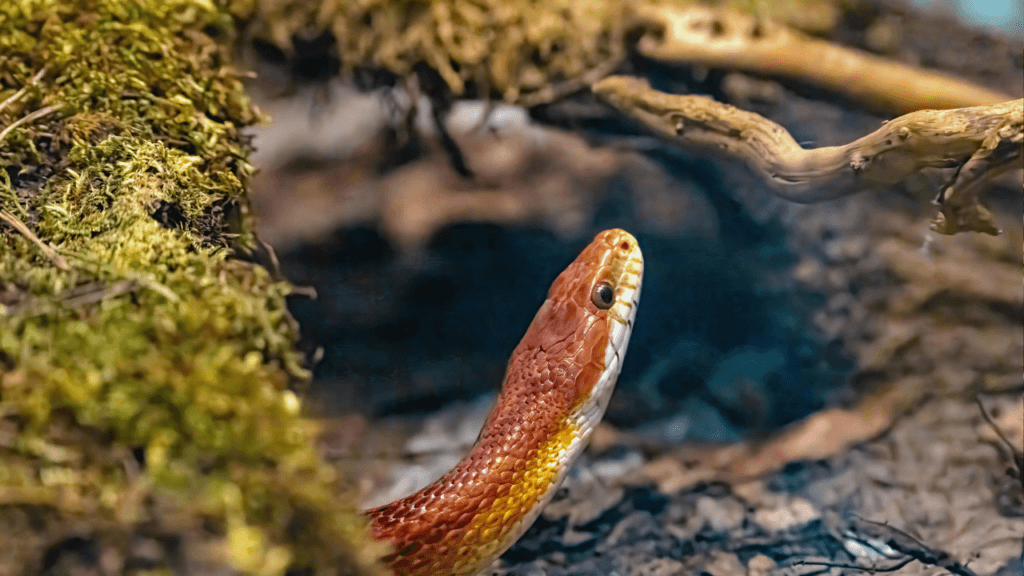
Hides are one of the most important accessories for corn snakes. At least one hide should be placed on the warm side and one on the cool side. This allows the snake to regulate temperature without giving up security. Hides should be snug rather than oversized.
Additional hides or cover can reduce stress. Cork bark, half logs, or enclosed hides all work well. A snake that feels secure is more likely to explore. Security supports confidence and calm behavior.
Water Bowls And Placement
A clean water bowl should always be available. The bowl should be heavy enough to prevent tipping. It should be large enough for drinking and occasional soaking. Water supports hydration and shedding.
Placement can influence humidity slightly. Placing the bowl near the warm side increases evaporation. Water should be changed regularly to prevent bacteria buildup. Simple routines keep hydration easy to manage.
Heating Equipment And Safety
Heating equipment is a critical accessory that must be chosen carefully. Heat mats, ceramic heat emitters, or heat lamps may be used depending on enclosure type. All heat sources must be controlled by thermostats. Unregulated heat is dangerous.
Heating should be placed on one side of the enclosure. This creates a temperature gradient. Accessories should never block heat flow or trap excessive heat. Safety should always guide heating choices.
Thermometers And Hygrometers
Monitoring tools are essential accessories. Thermometers should be placed on both the warm and cool sides of the enclosure. Hygrometers track humidity levels. Guessing environmental conditions leads to problems.
Digital tools are generally more accurate. Monitoring should be done regularly. Reliable tools remove confusion and stress. Good data supports good decisions.
Substrate Selection
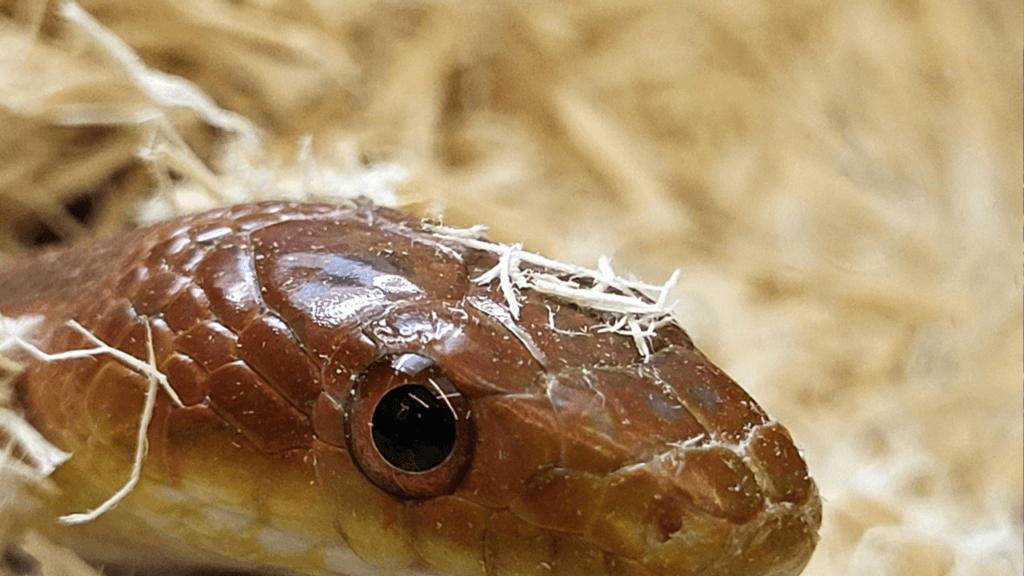
Substrate affects comfort, cleanliness, and humidity. Aspen shavings, coconut fiber, or paper towels may be used depending on goals. Substrate should be dust free and safe. Pine, cedar, and scented substrates should be avoided.
Depth should allow natural movement. Substrate should be easy to spot clean and replace. Clean substrate supports health and odor control. Consistency matters more than appearance.
Enrichment Accessories
Enrichment accessories include branches, plants, cork bark, and textured decor. These items encourage exploration and reduce stress. Enrichment should be placed intentionally to create pathways and visual barriers. Corn snakes prefer moving along edges and under cover.
Overcrowding should be avoided. Too many accessories restrict movement and airflow. Enrichment should feel natural, not chaotic. Balance keeps the enclosure functional and comfortable.
If you need more guidance on Safe And Effective Climbing Structures For Corn Snake Enrichment come check out this button
Ease Of Cleaning And Maintenance
Accessories should be easy to remove and clean. Poor access leads to skipped maintenance. Front opening enclosures often make cleaning easier. Accessories that trap waste should be repositioned or replaced.
Maintenance should feel manageable. When cleaning is easy, it happens consistently. Consistency supports long term health. Design choices affect daily care more than people realize.
Placement Of The Enclosure In Your Home
Where the enclosure is placed affects temperature stability and stress. Drafts and direct sunlight cause fluctuations. High traffic areas increase anxiety. Quiet locations work best.
The enclosure should be accessible without being disturbed constantly. Stability supports predictable behavior. Good placement reduces the need for constant adjustments. Location matters as much as equipment.
Avoiding Common Enclosure And Accessory Mistakes
Common mistakes include choosing enclosures based on looks alone, skipping hides, and using unsafe heating equipment. Another mistake is overcrowding with decor. Guessing temperatures instead of measuring also causes problems.
Planning prevents most issues. Testing the enclosure before use saves time. Accessories should be added gradually. Thoughtful choices reduce stress for both the snake and the keeper.
Long Term Success With The Right Setup
A well chosen enclosure and accessories support long term success. Behavior becomes predictable. Health monitoring becomes easier. Stress related issues decrease. Care feels smoother and more confident.
Over time, adjustments become minor rather than major. Experience builds understanding. The enclosure evolves with the snake’s needs. Good choices early make everything easier later.
FAQ: Choosing The Right Enclosure And Accessories For Your Corn Snake
What size enclosure does a corn snake need?
An adult corn snake typically needs a minimum 40-gallon enclosure, though larger is always better. Juveniles can start in smaller enclosures, but they will quickly outgrow them. The enclosure should allow your snake to fully stretch out along one side and move comfortably between warm and cool zones.
If you are unsure how to maintain proper environmental conditions inside the enclosure, review proper temperature and humidity management before finalizing your setup.
Is a glass tank good for a corn snake?
Glass tanks are commonly used and allow for good visibility, but they can struggle to retain heat and humidity. Many keepers prefer PVC enclosures because they hold temperature more consistently and provide better insulation.
Regardless of the material you choose, maintaining stable heating equipment is more important than the enclosure type itself.
Do corn snakes need a heat lamp or a heat mat?
Corn snakes require a temperature gradient with a warm side and a cool side. This can be achieved using an under-tank heat mat, a heat lamp, or a combination of both. The key is using a thermostat to regulate temperature and prevent overheating.
Proper monitoring equipment is essential. Inconsistent temperatures can lead to digestion issues and stress.
What temperature should a corn snake enclosure be?
The warm side should typically stay between 85°F and 90°F, while the cool side should range from 75°F to 80°F. Nighttime temperatures can drop slightly but should remain stable.
Regularly checking and maintaining temperature equipment helps prevent health issues and shedding problems.
What is the best substrate for a corn snake enclosure?
Aspen shavings are a popular choice because they allow burrowing and are easy to spot-clean. Other options include cypress mulch and paper-based bedding. Avoid substrates that retain too much moisture or contain oils, such as cedar.
Keeping substrate clean is just as important as choosing the right type. Spot cleaning regularly and replacing substrate as needed helps prevent mold and bacteria growth.
What accessories should be inside a corn snake enclosure?
At minimum, your enclosure should include:
• A secure hide on the warm side
• A hide on the cool side
• A water dish large enough for soaking
• Climbing branches or enrichment items
Corn snakes are surprisingly curious and benefit from environmental enrichment. Accessories should be secure, stable, and easy to clean.
Do corn snakes need lighting?
Corn snakes do not require UVB lighting to survive, but providing a natural day and night cycle helps regulate their internal rhythm. If you use lighting, ensure it does not overheat the enclosure.
Focus first on proper temperature regulation before adding additional lighting elements.
How often should I clean my corn snake’s enclosure?
Spot cleaning should be done as soon as waste is noticed. Deep cleaning frequency depends on enclosure size and substrate type, but most enclosures benefit from a thorough cleaning every 4 to 6 weeks.
Using safe cleaning products and preventing mold growth are essential for long-term snake health.
Can a corn snake escape from its enclosure?
Yes. Corn snakes are excellent escape artists. Always use a secure, locking lid or front-opening enclosure with strong latches. Even small gaps can lead to escapes.
Before finalizing your setup, double-check all openings, cable ports, and ventilation areas.
Is a bigger enclosure better for a corn snake?
Yes, as long as it is properly set up with adequate hides and temperature gradients. Larger enclosures provide more enrichment and exercise opportunities. Just ensure the snake still feels secure and not exposed.
Final Thoughts On Choosing Enclosures And Accessories
Choosing the right enclosure and accessories for your corn snake sets the foundation for healthy, stress free care. Security, space, and function matter more than appearance. Accessories should support natural behavior and easy maintenance. Observation helps refine the setup over time. When enclosure and accessories work together, corn snake care becomes calm, predictable, and deeply rewarding.
I never realized that a snake enclosure could be so complicated with cool and heated sides as well as enough space for the snake to stretch out. I thought it was merely a trip to the pet shop to buy a fish tank, but now see that glass is not the best thing to use, even if it does allow for better view ability.
Do you need to take your corn snake out to exercise each day, or is it better to just leave it in the enclosure?
Corn snakes do not need daily exercise outside the enclosure but gentle handling a few times a week is usually enough for enrichment if you have any more questions feel free to ask.