Breeding corn snakes can be rewarding, fascinating, and educational, but it is not something to rush into without preparation. While corn snakes are one of the easier snake species to breed, success depends on planning, patience, and understanding what the snakes actually need rather than what we hope will work. Breeding is not just pairing two snakes together and waiting for eggs to appear. It involves health checks, environmental adjustments, and long term responsibility. When done correctly, breeding can be a smooth and positive experience for both the keeper and the animals involved.
When I first looked into breeding, I assumed it was mostly about timing and luck. It turned out to be much more about observation and restraint. Corn snakes are pretty good at telling you when something is not right, and breeding makes that even more obvious. Taking things slowly often leads to better outcomes and fewer surprises.
TLDR: Breeding Corn Snakes For Beginners
Breeding corn snakes can be a rewarding experience, but it requires preparation, patience, and proper care. This beginner’s guide walks you through selecting healthy breeding pairs, understanding brumation, recognizing successful pairing, caring for gravid females, incubating eggs correctly, and preparing for hatchlings. Success comes down to stable temperatures, proper humidity, quality nutrition, and responsible planning for the babies. Breeding is more than just pairing snakes, it’s about being ready for every stage that follows.
Deciding If You Are Ready To Breed Corn Snakes
Before breeding, it is important to ask whether you are truly ready for the responsibility. Breeding creates more animals that will need proper housing, feeding, and long term care. Hatchlings are not temporary projects, they are living animals that require commitment. You should also be prepared for the possibility that not every egg will hatch successfully.
Experience with basic corn snake care is essential before attempting breeding. You should be comfortable managing temperature, humidity, feeding schedules, and health monitoring. If daily care still feels confusing or stressful, breeding may add unnecessary pressure. Readiness is about confidence and consistency, not excitement alone.
Choosing Healthy Breeding Stock
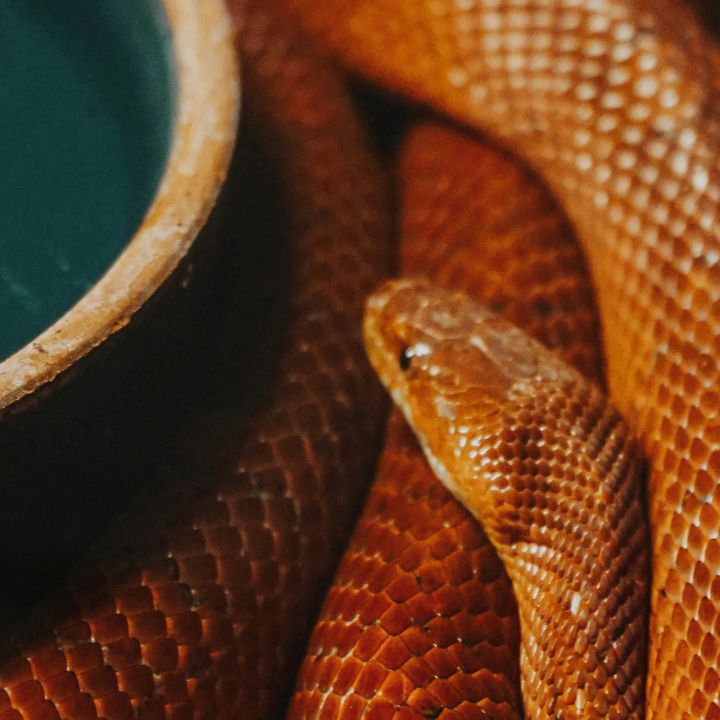
Only healthy adult corn snakes should be used for breeding. Females should be well established, properly sized, and at least two to three years old depending on growth and body condition. Males can sometimes breed earlier, but maturity and health still matter. Underweight or stressed snakes should never be bred.
Both snakes should have consistent feeding responses and no signs of illness. Clear eyes, strong body tone, and regular shedding are good indicators of health. Breeding places extra strain on the female in particular, so starting with strong animals is critical. Healthy parents greatly increase the chances of healthy offspring.
Understanding The Breeding Season
Corn snake breeding typically follows a seasonal pattern. In the wild, cooler winter temperatures trigger hormonal changes that prepare snakes for breeding in spring. Captive breeding often mimics this cycle through a cooling period known as brumation. This cooling phase helps synchronize breeding behavior and fertility.
Brumation does not mean freezing your snake or putting it in unsafe conditions. It involves gradually lowering temperatures and reducing feeding for a controlled period. Not all keepers choose to brumate, but it often improves breeding success. Timing and gradual changes matter far more than exact dates.
Preparing For Brumation
Before brumation begins, both snakes should be healthy and feeding well. Feeding is stopped before cooling to allow proper digestion and prevent health issues. Temperatures are then lowered slowly over time rather than suddenly. Abrupt changes can cause stress.
During brumation, snakes are less active and may remain hidden for long periods. This is normal. Fresh water should always be available. Regular checks ensure the snakes remain healthy throughout the process. Brumation requires patience and trust in the process.
Warming And Introducing The Pair
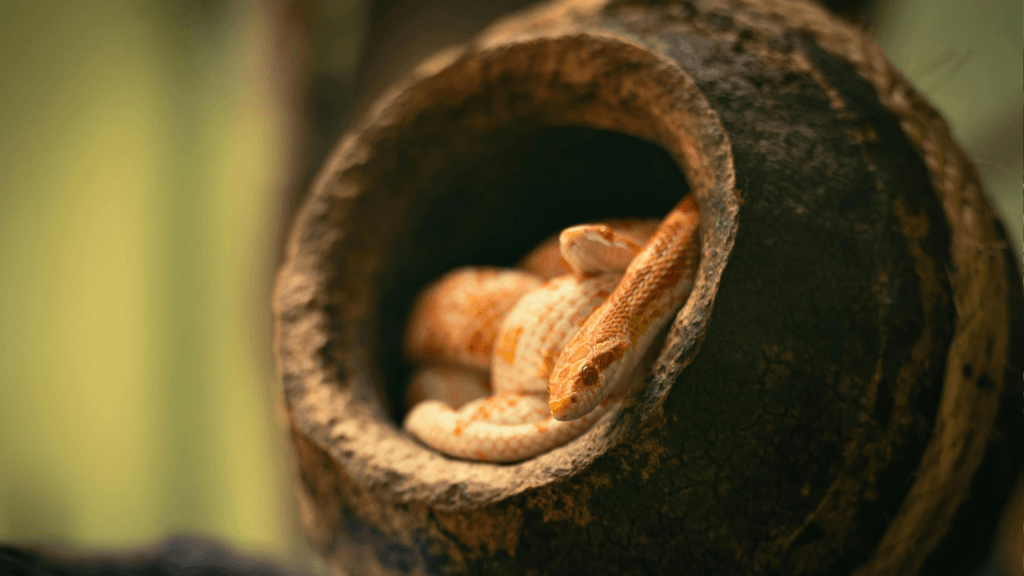
After the cooling period ends, temperatures are gradually raised back to normal levels. Feeding resumes once the snakes become active again. This warming phase helps trigger breeding behavior. Rushing introductions before the snakes are ready often leads to rejection or stress.
Introductions are usually done by placing the male into the female’s enclosure. This approach tends to reduce territorial behavior. Supervision is important during early introductions. Breeding behavior can look intense but should not involve injury.
Recognizing Breeding Behavior
Breeding behavior includes increased activity, tail alignment, and prolonged interaction. The male may follow the female closely and attempt to align his tail with hers. Successful breeding sessions can last several hours. This is normal and does not require intervention unless aggression occurs.
It is common for multiple breeding sessions to occur over several weeks. One successful pairing does not always guarantee fertile eggs. Allowing natural repetition often improves results. Observation without interference is usually the best approach.
Post Breeding Care For The Female
After breeding, the female will eventually begin developing eggs. During this time, she may eat less or become more selective. Weight gain and changes in body shape are common signs of egg development. Increased hiding behavior is also normal.
Providing proper nutrition and stable temperatures is essential. Calcium demands increase during egg production, so feeding appropriately sized meals matters. Stress should be minimized during this period. The female is doing a lot of internal work even if it looks like she is doing nothing.
If you need guidance on providing the proper temperature, checkout my guide on Temperature And Humidity Requirements For Corn Snakes by clicking the button below.
Preparing A Laying Box
A laying box should be provided before the female is ready to lay eggs. This box should be enclosed, secure, and filled with a moist but not wet substrate. The goal is to give the female a safe and comfortable place to lay her eggs.
Without a proper laying box, females may retain eggs, which can cause serious health issues. The box should be introduced early so it becomes familiar. Preparation here prevents emergencies later.
Egg Laying And Incubation
Once eggs are laid, they should be carefully removed and placed into an incubator. Eggs should not be rotated, as this can harm developing embryos. Incubation temperatures and humidity must remain stable throughout the process. Consistency is key.
Incubation typically lasts several weeks. During this time, patience is required. Opening the incubator too often can disrupt conditions. Monitoring should be calm and minimal. This phase tests self control more than skill.
Hatching And Early Care
When hatchlings begin to emerge, they may take several days to fully exit their eggs. This is normal and should not be rushed. Once hatched, baby corn snakes should be housed individually or in simple setups for monitoring. Clean environments are especially important at this stage.
Hatchlings usually shed before their first meal. Feeding should begin only after this initial shed. Some hatchlings may be slow to start eating, which requires patience and gentle problem solving. Early care sets the tone for long term success.
Ethical And Long Term Considerations
Breeding should always be done responsibly. This includes having plans for housing or placing offspring before breeding begins. Overproduction without a plan leads to stress and poor outcomes. Ethical breeding focuses on quality and care rather than quantity.
Breeding is not required to enjoy corn snakes as pets. It is an optional path that comes with added responsibility. Understanding when not to breed is just as important as knowing how to breed.
FAQ: Breeding Corn Snakes For Beginners
How old should corn snakes be before breeding?
Corn snakes should be at least 2 to 3 years old before breeding. Females should also reach a healthy weight, typically around 300 grams or more, before pairing. Breeding too early can stress the female’s body and lead to complications. If you are unsure whether your snake is mature enough, focus first on proper enclosure setup and nutrition before attempting to breed.
What time of year do corn snakes breed?
Corn snakes typically breed in late winter to early spring after a cooling period called brumation. Many breeders introduce pairs between February and April. Brumation helps stimulate natural breeding behavior, but it must be done carefully. Beginners should thoroughly research temperature control before attempting this step.
Do corn snakes need brumation to breed?
While brumation is not always strictly required, it significantly increases breeding success. A proper cooling period mimics their natural seasonal cycle and encourages fertility. However, incorrect brumation can harm your snake. If you are new to reptile care, make sure you fully understand temperature regulation and health monitoring first.
How many eggs do corn snakes lay?
A healthy female corn snake typically lays between 10 and 30 eggs per clutch. First-time breeders may produce smaller clutches. Egg count depends on age, health, genetics, and overall care.
How long do corn snake eggs take to hatch?
Corn snake eggs usually hatch within 55 to 65 days when incubated at the proper temperature and humidity levels. Consistent incubation conditions are critical. Even small temperature fluctuations can affect hatch rates.
What equipment do I need to incubate corn snake eggs?
You will need a reliable incubator, a thermometer and hygrometer, incubation containers, and a moisture-retaining medium such as vermiculite or perlite. Stable temperature control is essential for successful hatching. If you are still refining your enclosure management skills, review proper temperature and humidity maintenance before starting a breeding project.
Can I breed two corn snakes from the same clutch?
Breeding siblings is strongly discouraged, especially for beginners. Inbreeding increases the risk of genetic defects and weak offspring. Responsible breeding includes maintaining strong genetic diversity and knowing the lineage of your snakes.
What should I feed a female corn snake before and after breeding?
Before breeding, females should be on a consistent feeding schedule and in strong body condition. After laying eggs, females need time to recover and rebuild strength. Continue appropriate feeding based on size and monitor her weight closely. Proper care after egg-laying is just as important as the breeding process itself.
What should I do if my corn snake becomes egg bound?
Egg binding is a serious medical emergency where a female cannot lay her eggs. Signs may include lethargy, swelling, straining, or loss of appetite. If you suspect egg binding, contact a reptile veterinarian immediately. Prevention starts with proper nutrition, hydration, and correct enclosure conditions.
Is breeding corn snakes profitable for beginners?
Breeding corn snakes should not be approached purely for profit. While corn snakes are popular, the market can be competitive. Beginners should focus on ethical breeding practices, animal welfare, and having proper housing prepared for all hatchlings before pairing adults.
Final Thoughts On Breeding Corn Snakes
Breeding corn snakes can be an incredibly educational and rewarding experience when approached with preparation and respect for the animals involved. Success depends on patience, observation, and consistency rather than shortcuts. Healthy parents, stable environments, and thoughtful planning make the process smoother. Mistakes often come from rushing or skipping steps rather than lack of effort. When done responsibly, breeding deepens understanding and appreciation for corn snake care.
Hi, thanks for sharing this very informative article. You cover everything very well. I like how you share your journey and how you set up your breeding corn Snakes. What kind of equipment do you recommend for incunubating the eggs and how many babies can you get from a typical healthy snake if you follow these techniques through properly.
I recommend a reliable reptile incubator with steady temperature control and a healthy corn snake can lay around 10 to 30 eggs per clutch when cared for properly If you have any more questions feel free to ask.