Weaning corn snake hatchlings to solid food is an important step because early feeding experiences shape long term eating habits and confidence. Hatchlings are born ready to eat, but they still require proper timing, prey size, and calm conditions. A smooth weaning process supports healthy growth and reduces feeding stress. Most challenges during this stage are environmental or procedural rather than behavioral. With patience and consistency, hatchlings usually adapt well.
Understanding When Hatchlings Are Ready To Eat
Corn snake hatchlings are typically ready to eat after their first shed. This initial shed signals that the digestive system is functioning properly. Feeding before this shed can lead to refusal or stress. Waiting for this milestone improves feeding success. Timing matters more than urgency.
Choosing The Right First Prey
The first prey should be appropriately sized for a hatchling’s small body. Pinky mice are the standard first food item. Prey should be no wider than the hatchling’s widest point. Oversized prey increases refusal risk. Proper sizing supports confidence and digestion.
Preparing Frozen Thawed Prey
Frozen thawed prey should be fully thawed and warmed before offering. Cold prey often triggers feeding refusal. Warming the prey to near body temperature improves scent and appeal. Prey should never be overheated. Proper preparation increases acceptance.
Feeding Environment For Hatchlings
A calm feeding environment supports successful weaning. Disturbances can cause hatchlings to retreat or refuse food. Feeding should occur in a quiet space with minimal handling beforehand. Secure hides help hatchlings feel safe. Comfort encourages feeding.
Encouraging A Feeding Response
Some hatchlings respond quickly, while others need encouragement. Gentle prey movement can stimulate interest. Scent cues help trigger instinctive behavior. Forcing feeding is not recommended. Patience builds trust and consistency.
Handling Initial Feeding Refusals
Initial refusal is common and not usually a concern. Stress, temperature, or timing issues are typical causes. Adjusting conditions often resolves refusal quickly. Hatchlings should never be force fed as a first response. Observation guides correction.
Establishing A Feeding Schedule
Once feeding begins, consistency becomes important. Hatchlings are usually fed every five to seven days. Regular schedules support digestion and growth. Skipping meals without cause can slow development. Routine creates predictability.
Monitoring Growth And Body Condition
Growth should be steady and gradual during the hatchling stage. Body condition should appear smooth and firm. Sudden weight loss requires attention. Consistent feeding supports healthy development. Observation confirms success.
Avoiding Common Weaning Mistakes
Feeding prey that is too large is a common mistake. Handling too soon after feeding increases stress. Changing conditions frequently causes confusion. Rushing the process leads to setbacks. Simplicity works best.
Transitioning To Larger Prey Over Time
As hatchlings grow, prey size should increase gradually. Moving too quickly can overwhelm digestion. Each size change should match body width. Gradual transitions prevent regurgitation. Growth guides progression.
Stress Reduction During Early Feeding
Stress reduction is critical during weaning. Excessive handling should be avoided. Stable enclosure conditions support feeding confidence. Visual barriers help hatchlings feel secure. Calm setups lead to better outcomes.
Recognizing Successful Weaning
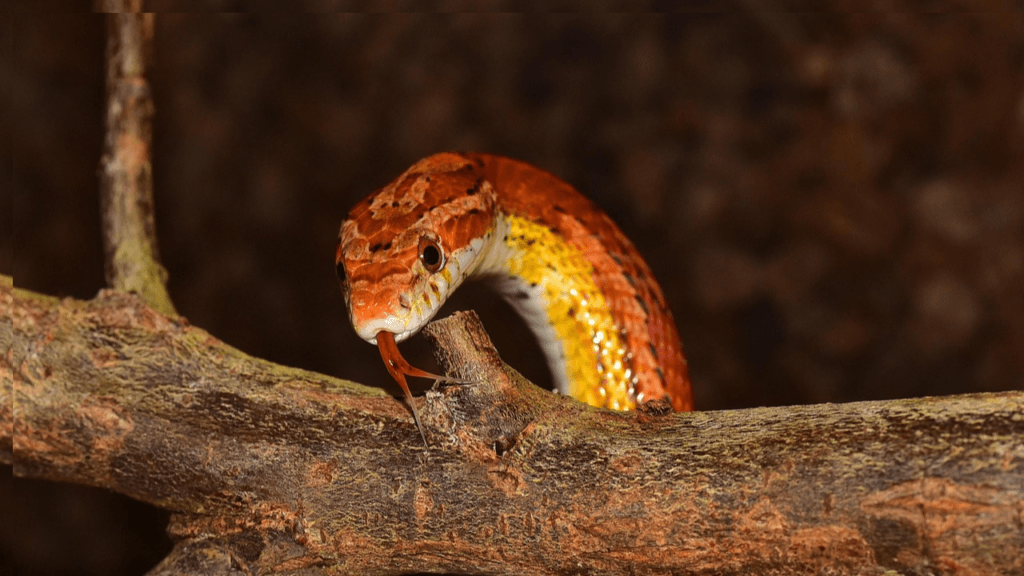
Successful weaning is marked by consistent feeding responses. Hatchlings should strike and consume prey without hesitation. Digestion should be smooth and uneventful. Regular shedding supports healthy growth. These signs confirm readiness.
Long Term Benefits Of Proper Weaning
Proper weaning sets the foundation for long term feeding success. Snakes that start well tend to feed reliably as adults. Early confidence reduces future feeding challenges. Consistency during weaning pays off later. Strong starts create stable habits.
Adjusting For Individual Differences
Not all hatchlings progress at the same pace. Individual temperament affects feeding response. Some may require more time and patience. Comparing hatchlings creates unnecessary pressure. Individual observation matters most.
Preventing Feeding Associations With Stress
Feeding should never be associated with fear or force. Stressful feeding experiences can cause long term refusal. Calm routines protect appetite. Positive early experiences matter. Trust builds reliability.
Supporting Hydration During Weaning
Fresh water should always be available to hatchlings. Hydration supports digestion and shedding. Dehydration can affect appetite. Water access complements feeding routines. Basic care supports success.
When To Reevaluate The Process
If feeding problems persist, conditions should be reassessed. Temperature, humidity, and enclosure setup often play a role. Professional guidance may be helpful in rare cases. Early evaluation prevents prolonged issues. Small changes often solve problems.
Building Confidence As A Keeper
Weaning hatchlings builds keeper confidence over time. Experience improves decision making. Observation replaces worry. Learning from each feeding strengthens skill. Confidence supports consistency.
Final Thoughts On Weaning Hatchlings
Weaning corn snake hatchlings to solid food requires patience, proper timing, and consistency. Waiting for the first shed improves success. Appropriate prey size and calm environments support feeding confidence. Observation guides adjustments without rushing. When the process is handled thoughtfully, hatchlings grow into reliable and healthy feeders.