Setting up the perfect habitat for your corn snake is one of the most important steps in responsible ownership because the enclosure becomes the snake’s entire world. Every aspect of health, comfort, and behavior is influenced by how that space is designed. A well planned habitat supports natural movement, proper digestion, and stress free rest. When the setup is done correctly from the beginning, daily care becomes much easier. The goal is not perfection, but consistency and function.
When I first set up a corn snake enclosure, I focused too much on how it looked instead of how it worked. It did not take long to realize that appearance means nothing if the snake feels exposed or uncomfortable. Once I shifted my thinking to the snake’s needs first, everything improved. The enclosure became easier to manage and the snake became calmer. That balance is what a good habitat should provide.
Choosing The Right Enclosure
The enclosure is the foundation of the habitat and should always be secure and escape proof. Corn snakes are excellent escape artists and can squeeze through surprisingly small gaps. Floor space is more important than height, though a little height allows gentle climbing. Front opening enclosures are often easier to maintain and reduce stress during cleaning.
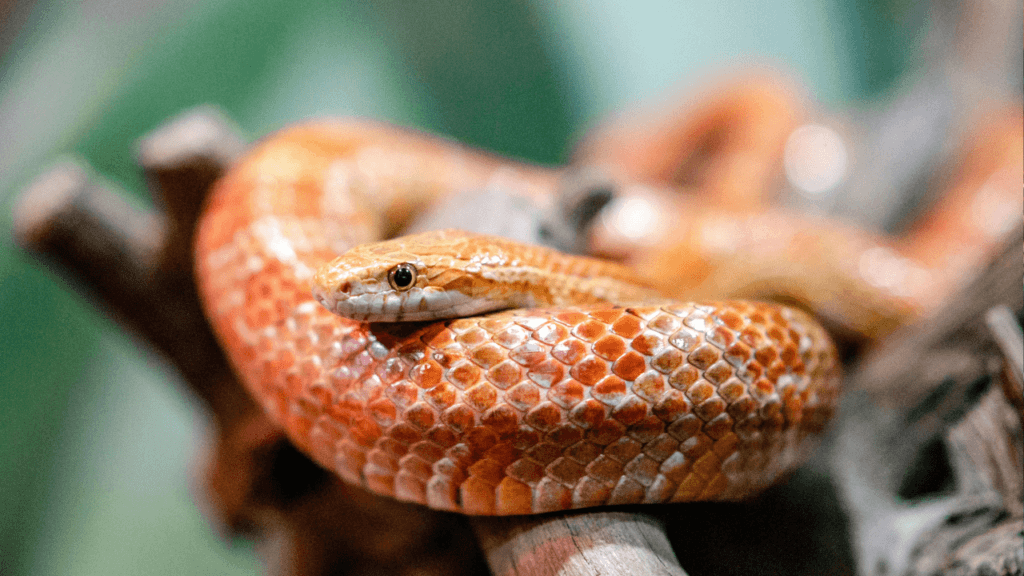
Ventilation should be balanced so fresh air circulates without drying the enclosure too quickly. The enclosure should be placed in a quiet area away from direct sunlight and drafts. Location affects temperature stability more than many people expect. A properly chosen enclosure simplifies all other setup decisions.
Creating A Proper Temperature Gradient
Corn snakes rely on external heat to regulate their body temperature. A proper habitat must include a warm side and a cool side so the snake can move between them as needed. The warm side supports digestion and activity, while the cool side allows rest without overheating. Without a gradient, the snake cannot regulate its body properly.
Heat sources should always be controlled by thermostats. Unregulated heat can cause burns or dangerous temperature spikes. Heating should be placed on one side only to maintain a clear gradient. Monitoring temperatures regularly helps catch problems early. Stable heat supports long term health.
Understanding Lighting Needs
Corn snakes do not require specialized UVB lighting, which makes setup simpler. However, they do benefit from a consistent day and night cycle. Simple enclosure lighting or natural room lighting is usually sufficient. Lights should be on during the day and off at night.
Using timers can help maintain consistency. Irregular lighting schedules can disrupt behavior and increase stress. Bright lighting is unnecessary and can make the snake feel exposed. Predictable lighting supports natural activity patterns and rest.
Selecting Safe And Comfortable Substrate
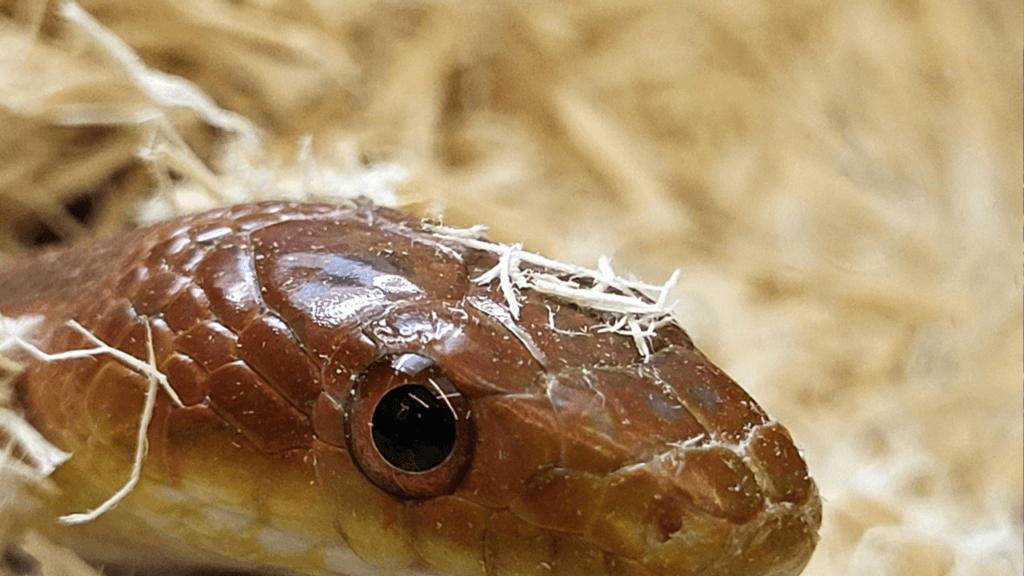
Substrate affects comfort, cleanliness, and humidity control. Aspen shavings are commonly used because they are absorbent and easy to clean. Coconut fiber and similar substrates can help with humidity but require closer monitoring. Paper towels are useful for quarantine or health observation.
Substrates should be dust free, unscented, and safe if accidentally ingested. Pine, cedar, and sand should be avoided due to health risks. Substrate depth should allow natural movement and light burrowing. Clean substrate supports a healthier environment.
Providing Proper Hides
Hides are essential for making the habitat feel secure. Corn snakes are prey animals and need places to retreat and rest. At least one hide should be placed on the warm side and one on the cool side. This allows thermoregulation without sacrificing security.
Hides should be snug rather than oversized. A hide that fits closely around the snake provides the most comfort. Additional cover such as plants or cork helps break up open space. Security encourages exploration and confidence.
Adding Enrichment Thoughtfully
Enrichment supports natural behavior and reduces stress. This includes branches, plants, cork bark, and textured pathways. Enrichment should be placed intentionally to create travel routes along edges. Corn snakes prefer moving under cover rather than across open areas.
Overcrowding should be avoided. Too much decor can restrict movement and airflow. Every item should serve a purpose. A balanced layout supports exploration without chaos. Enrichment should invite curiosity, not overwhelm.
Managing Humidity Levels
Humidity affects shedding and respiratory health. Corn snakes prefer moderate humidity rather than extremes. Substrate choice, water bowl size, and ventilation all influence moisture levels. A hygrometer helps track humidity accurately.
Humidity hides can be useful during shedding without raising humidity throughout the enclosure. Over misting should be avoided as damp conditions can cause problems. Balance is more important than chasing exact numbers. Consistent monitoring keeps humidity in range.
Water And Hydration Setup
A clean water bowl should always be available. The bowl should be large enough for the snake to drink from comfortably. Some snakes may soak occasionally, especially during shedding. Water should be changed regularly to prevent bacteria buildup.
Placement of the water bowl can influence humidity slightly. Placing it near the warm side increases evaporation. Clean water supports hydration and overall health. Simple routines make this easy to maintain.
Placement Of The Habitat In Your Home
Where the enclosure is placed matters just as much as how it is set up. High traffic areas can increase stress. Drafts and direct sunlight cause temperature fluctuations. Quiet, stable locations work best.
The enclosure should be easy to access for maintenance without being constantly disturbed. Stability supports predictable behavior. A well placed habitat helps maintain consistent conditions with less effort.
Monitoring Behavior After Setup
Behavior is the best indicator of whether the habitat is working. Calm exploration, regular feeding, and normal shedding are positive signs. Constant hiding, pacing, or refusal to eat may signal issues. Observation helps guide adjustments.
Changes should be made gradually. One adjustment at a time makes it easier to understand cause and effect. Behavior provides feedback if you pay attention. The snake will tell you when the habitat feels right.
Avoiding Common Habitat Setup Mistakes
Rushing setup is a common mistake. Guessing temperatures instead of measuring is another. Using unsafe heating equipment creates serious risks. Skipping hides or enrichment increases stress. Most mistakes are preventable with planning.
Preparation saves time and frustration later. Testing the enclosure before introducing the snake prevents emergencies. Patience at the beginning pays off long term. A calm start leads to smoother care.
Long Term Habitat Maintenance
A perfect habitat is not a one time achievement. Regular maintenance keeps conditions stable. Spot cleaning should be done as waste appears. Substrate changes depend on type and usage. Equipment should be checked routinely.
Overcleaning should be avoided to reduce stress. A simple maintenance schedule supports consistency. Long term success comes from steady routines rather than constant changes. Stability improves health and behavior.
Final Thoughts On Creating The Perfect Habitat
Setting up the perfect habitat for your corn snake is about understanding needs rather than chasing trends. Proper enclosure size, heating, hides, and enrichment work together to support comfort and confidence. Observation guides improvement over time. Consistency matters more than perfection. When the habitat is designed thoughtfully, corn snake care becomes calm, predictable, and rewarding.