Corn snakes are known for being hardy, manageable reptiles that can live for many years when properly cared for. One of the first things many new keepers want to know is how long their snake will live and how large it will grow. Understanding the lifespan and growth of corn snakes helps owners prepare for the long term responsibility of keeping one. These snakes are not short term pets, and they require consistent care throughout their lives. With proper husbandry, corn snakes can remain healthy and active for many years.
When people first get a corn snake, they often think about how small and harmless the baby looks. Hatchlings are tiny compared to the adults they eventually become. Over time, with proper feeding and care, the snake slowly grows into its full size. Watching that gradual growth is one of the most interesting parts of keeping a corn snake. The changes happen slowly, but they are very noticeable over the years.
TLDR: Lifespan And Growth Of Corn Snakes
Corn snakes are known for their long lifespan and steady growth when properly cared for. Most live 15 to 20 years in captivity, with some reaching even longer. Hatchlings start small but grow gradually through regular feeding and proper husbandry, typically reaching 3 to 5 feet as adults. Factors such as diet, enclosure conditions, and overall care play a major role in their health and longevity. With consistent care, corn snakes can remain active, healthy companions for many years.
Average Lifespan Of Corn Snakes
Corn snakes can live a surprisingly long time in captivity. With proper care, many corn snakes live between fifteen and twenty years. Some individuals have even been known to live longer when kept in ideal conditions. This long lifespan means that keeping a corn snake is a serious commitment. Owners should be prepared to care for their snake for many years.
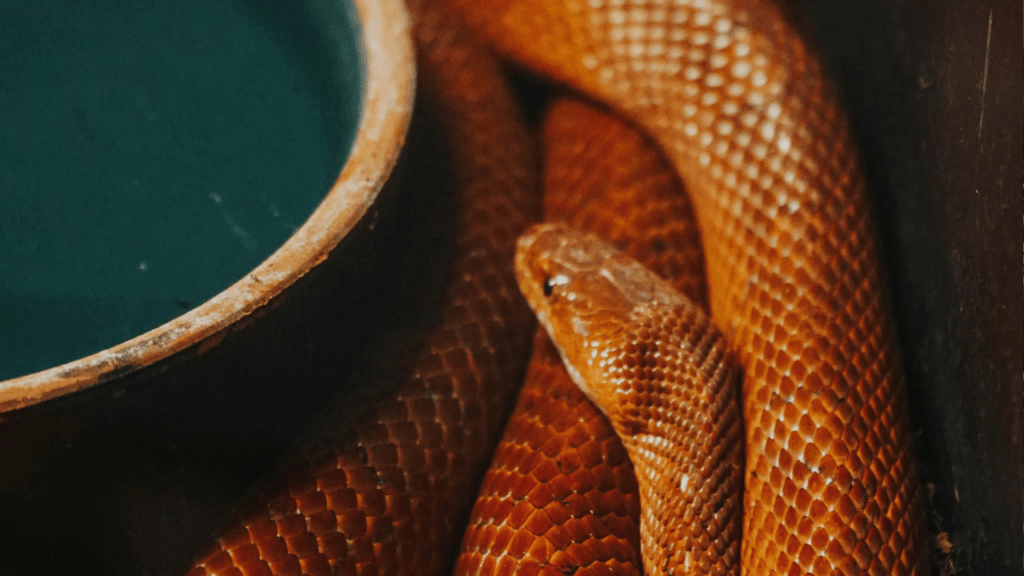
The lifespan of a corn snake depends largely on the quality of care it receives. Proper temperature, humidity, diet, and enclosure setup all play important roles. Stress and poor husbandry can shorten a snake’s life. Regular observation and consistent care help keep the snake healthy throughout its life.
Hatchling Size And Early Growth
Corn snakes begin their lives as small hatchlings that are usually between ten and fifteen inches long. At this stage they are thin and delicate compared to adult snakes. Hatchlings grow quickly during their first year because they are developing rapidly. Regular feeding and proper temperatures help support healthy growth.
Young corn snakes shed frequently as they grow. Each shed allows the snake’s body to expand and continue developing. During this time the snake may appear to grow quickly, especially during the first year of life. Growth is most noticeable when comparing the snake to its original hatchling size.
Juvenile Growth Stage
After the first year, corn snakes enter the juvenile stage. During this period the snake continues to grow but at a slightly slower rate than during the hatchling stage. Juvenile snakes often measure between two and three feet long depending on feeding and genetics. Their bodies also become thicker and stronger.
Feeding schedules during this stage are still fairly regular because the snake is still developing. Juvenile snakes may eat every five to seven days depending on their size. Proper nutrition supports healthy bone and muscle development. This stage is an important time for building strong body condition.
Adult Size And Development
Most adult corn snakes reach lengths between three and five feet. Some individuals may grow slightly larger depending on genetics and diet. Adult snakes are much thicker and heavier than juveniles. Their colors and patterns may also become more defined as they mature.
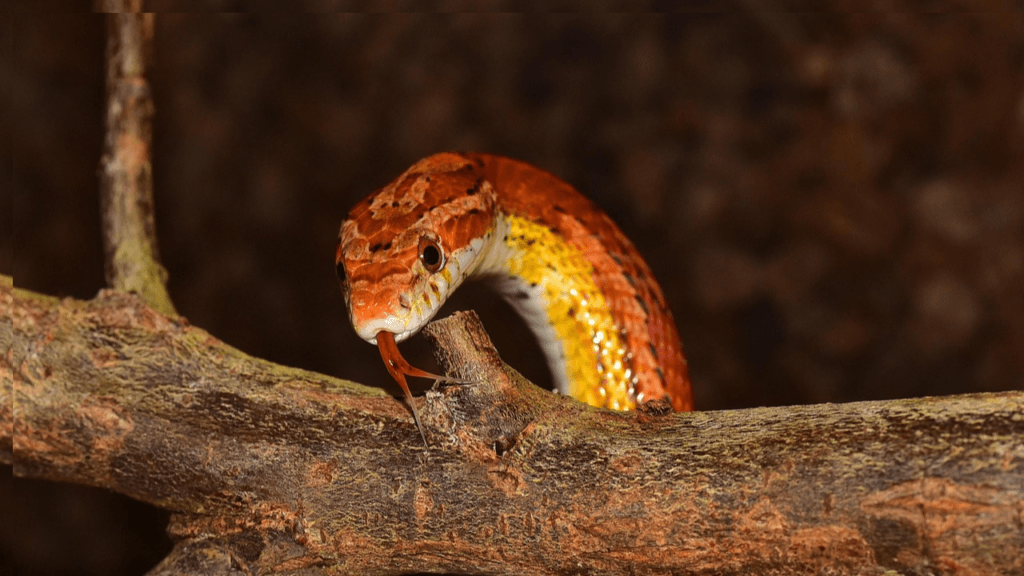
Growth slows significantly once a corn snake reaches adulthood. At this stage the snake focuses more on maintaining body condition rather than increasing in length. Adult feeding schedules are usually less frequent than juvenile feeding schedules. Many adults eat once every one to two weeks.
Factors That Affect Growth
Several factors influence how quickly a corn snake grows. Genetics play a role because some bloodlines naturally grow larger than others. Feeding schedules also affect growth rate. Snakes that receive regular meals of appropriate size tend to grow steadily.
Temperature and overall habitat conditions also influence growth. Proper heat allows the snake to digest food effectively and convert nutrients into body growth. Poor temperatures can slow development and cause feeding problems. Balanced husbandry supports healthy growth patterns.
The Role Of Shedding In Growth
Shedding is closely connected to a corn snake’s growth. As the snake grows, its outer skin becomes too tight and must be replaced. During shedding the old skin loosens and eventually comes off, revealing a fresh new layer underneath. This process allows the snake’s body to expand.
Young snakes shed more often because they grow faster. Adult snakes may shed only a few times each year. Healthy sheds usually come off in one complete piece. Problems with shedding often indicate humidity issues within the enclosure.
Monitoring Growth And Body Condition
Observing growth is an important part of responsible snake care. Healthy corn snakes should gradually increase in length and body thickness as they mature. Sudden weight loss or lack of growth may indicate feeding or environmental problems. Regular observation helps identify issues early.
Many keepers measure or weigh their snakes occasionally to track development. This helps ensure the snake is growing at a healthy rate. Monitoring also helps prevent overfeeding. Balanced growth is healthier than rapid growth caused by excessive feeding.
Avoiding Overfeeding
While growth is important, feeding too often can cause obesity in corn snakes. Overfeeding may make the snake heavier than it should be, which can affect long term health. A healthy corn snake should have a smooth body shape without excessive bulging.
Following a proper feeding schedule helps maintain a healthy weight. Prey size should match the width of the snake’s body. Balanced feeding supports steady growth rather than excessive weight gain. Careful observation keeps the snake in good condition.
If you need more guidance on Common Feeding Myths About Corn Snakes come check out this button
Long Term Care For Adult Corn Snakes
Adult corn snakes require consistent care throughout their lives. Stable temperatures, proper humidity, and regular feeding help maintain health. Clean enclosures and fresh water are also essential for long term wellbeing. Even adult snakes benefit from environmental enrichment and secure hiding places.
Handling should remain calm and gentle throughout the snake’s life. Regular observation helps identify health concerns early. Long term care routines often become simple once the enclosure is properly established. Consistency keeps adult snakes healthy for many years.
FAQ: Lifespan And Growth Of Corn Snakes
How long do corn snakes usually live?
Corn snakes typically live between 15 and 20 years in captivity when cared for properly. Some individuals have been known to live even longer with excellent husbandry. Stable temperatures, proper feeding schedules, and a clean enclosure all contribute to a longer, healthier life.
How big do corn snakes grow?
Most adult corn snakes reach between 3 and 5 feet in length. Growth rate can vary depending on genetics, feeding schedule, and overall care. Males are often slightly smaller than females, but the difference is usually minor.
How fast do corn snakes grow?
Corn snakes grow quickly during their first year of life. Hatchlings may start around 10 to 15 inches long and can grow significantly with consistent feeding. Growth slows as the snake reaches adulthood, typically around 2 to 3 years of age.
At what age is a corn snake fully grown?
Corn snakes are usually considered fully grown between 2 and 3 years old. While they may continue to gain some size after this point, the majority of their growth occurs during their early years.
How often should a corn snake shed while growing?
Young corn snakes often shed every 4 to 6 weeks as they grow. Adult snakes usually shed less frequently, often every 2 to 3 months. Shedding frequency can vary depending on growth rate, feeding schedule, and environmental conditions.
Maintaining proper humidity levels helps ensure smooth and healthy sheds.
Does feeding more make a corn snake grow faster?
Feeding slightly more during early growth stages can increase growth rate, but overfeeding is not recommended. Obesity can shorten a snake’s lifespan and lead to health problems. A consistent feeding schedule with appropriately sized prey supports steady and healthy growth.
Do male and female corn snakes grow at different rates?
Female corn snakes sometimes grow slightly larger than males, especially when fully mature. However, both sexes generally follow similar growth patterns during their early development.
What factors affect a corn snake’s lifespan?
Several factors influence lifespan, including diet, enclosure conditions, temperature stability, genetics, and access to proper veterinary care. Preventative care and daily observation help identify potential health concerns early.
Why is my corn snake growing slower than expected?
Slower growth can be caused by genetics, feeding frequency, prey size, or environmental conditions such as incorrect temperature. Checking enclosure temperatures and feeding schedules is a good first step when evaluating growth patterns.
How can I help my corn snake live a long and healthy life?
Providing proper husbandry is the most important factor. This includes maintaining stable temperature and humidity levels, offering a secure enclosure with enrichment, feeding an appropriate diet, and monitoring your snake’s behavior regularly. Consistent care over time is what allows corn snakes to thrive and reach their full lifespan.
Final Thoughts On Corn Snake Lifespan And Growth
Corn snakes are long lived reptiles that grow gradually from small hatchlings into medium sized adults. With proper care, many individuals live well over fifteen years and sometimes even longer. Their steady growth and manageable size make them excellent pets for both beginners and experienced reptile keepers. Understanding their growth stages helps owners provide appropriate care at every stage of life. When given stable conditions, proper feeding, and attentive observation, corn snakes can live long, healthy, and fascinating lives.