Corn snake morphs are different color and pattern variations created through selective breeding. Many people see these beautiful colors and wonder if morphs change how a corn snake should be cared for. The good news is that most morphs do not require different care than normal corn snakes. Temperature, humidity, feeding schedules, and enclosure setup are generally the same for all morphs. Understanding this helps keepers focus on proper care instead of worrying about appearance.
When people first discover corn snake morphs, it can feel like every color might need special treatment. I remember thinking that brighter or rarer morphs must need different habitats or diets. After learning more about corn snake husbandry, it became clear that morphs mostly affect appearance rather than behavior or care. The snake is still the same species underneath the colors. This makes caring for different morphs much simpler than many beginners expect.
TLDR: How Morphs Affect Care And Behavior
Corn snake morphs mostly change how a snake looks, not how it should be cared for. Regardless of color or pattern, corn snakes require the same basic setup with proper temperature gradients, humidity levels, hiding spots, and a consistent feeding schedule. Behavior is also largely the same across morphs. The main difference owners may notice is that lighter morphs can be more sensitive to bright lighting. Overall, choosing a morph is about appearance, while good care practices remain consistent for every corn snake.
Why Morphs Exist In Corn Snakes
Morphs exist because breeders have selectively paired corn snakes with certain genetic traits over many generations. These traits affect color, pattern, and sometimes eye color. By breeding snakes with similar genetic traits, breeders can produce offspring with unique appearances. Over time this process created dozens of corn snake morphs.

Even though the appearance changes, the species itself remains the same. Corn snakes still have the same natural instincts and environmental needs. They still require the same temperatures, humidity levels, and diet. Morphs are simply visual differences created through genetics. The core behavior of the snake does not change.
Do Morphs Change Corn Snake Temperament
In most cases, morphs do not change temperament at all. Corn snakes are naturally calm and generally easy to handle, which is one reason they are popular pets. A bright orange amelanistic corn snake behaves the same as a darker anerythristic morph. Their personality comes more from the individual snake than its color pattern.
Some snakes may be more active or shy than others, but this is normal variation between individuals. Handling, enclosure setup, and early experiences influence temperament more than genetics related to color. A calm environment and gentle handling usually help corn snakes remain relaxed. Morph alone rarely changes behavior.
Care Requirements Remain The Same
All corn snake morphs require the same basic care. They need an enclosure with a proper temperature gradient, a warm side for digestion and a cooler side for resting. Humidity should remain moderate to support healthy shedding. A clean water bowl and appropriate substrate are also essential.
Feeding schedules remain identical across morphs. Corn snakes eat appropriately sized mice, usually once every one to two weeks depending on age. Hatchlings eat smaller prey more often, while adults eat less frequently. Morph color does not affect diet or feeding routine. Consistency in care is what matters most.
Lighting And Environmental Needs
Most corn snake morphs do not require special lighting. A normal day and night cycle is usually enough to support natural behavior. Room lighting or simple enclosure lighting often works well. Corn snakes do not depend heavily on UVB lighting like some reptiles do.
Environmental enrichment such as hides, climbing branches, and decor is important for all morphs. These items provide security and allow natural movement. Snakes that feel secure tend to behave more calmly. Enrichment helps support mental stimulation regardless of the snake’s color pattern.
If you need guidance on Popular Corn Snake Morphs And Their Characteristics come check out this button
Rare Cases Where Morphs May Affect Care
While most morphs do not affect care, there are rare exceptions. Some morphs with reduced pigment may have slightly increased sensitivity to light. For example, snakes with red or pink eyes sometimes prefer slightly dimmer environments. This does not require major changes, just awareness of lighting intensity.
These situations are uncommon and usually minor. Standard corn snake care still applies. The main focus should always be on stable temperatures, proper feeding, and a secure enclosure. Appearance rarely creates significant husbandry differences.
Why Beginners Should Not Worry Too Much About Morphs
For beginners, morph selection should mostly be based on appearance and personal preference. Because care requirements are nearly identical, beginners can choose the morph they find most appealing. This makes the experience more enjoyable without complicating care.
Health and temperament should always come before color. A healthy snake with good feeding habits is far more important than a rare morph. Responsible breeders also focus on strong genetics and proper care before appearance. Choosing a healthy snake leads to better long term success.
Behavior Differences Come From Environment
Behavior in corn snakes is influenced more by environment than morph genetics. Proper temperatures, safe hiding places, and regular feeding create calm behavior. Stressful environments can cause defensive reactions or feeding problems. These factors apply to every morph equally.
Handling also affects behavior. Corn snakes that are handled gently and consistently often become calmer over time. Snakes that are rarely handled may remain more cautious. These differences come from experience, not color patterns.
The Real Beauty Of Corn Snake Morphs
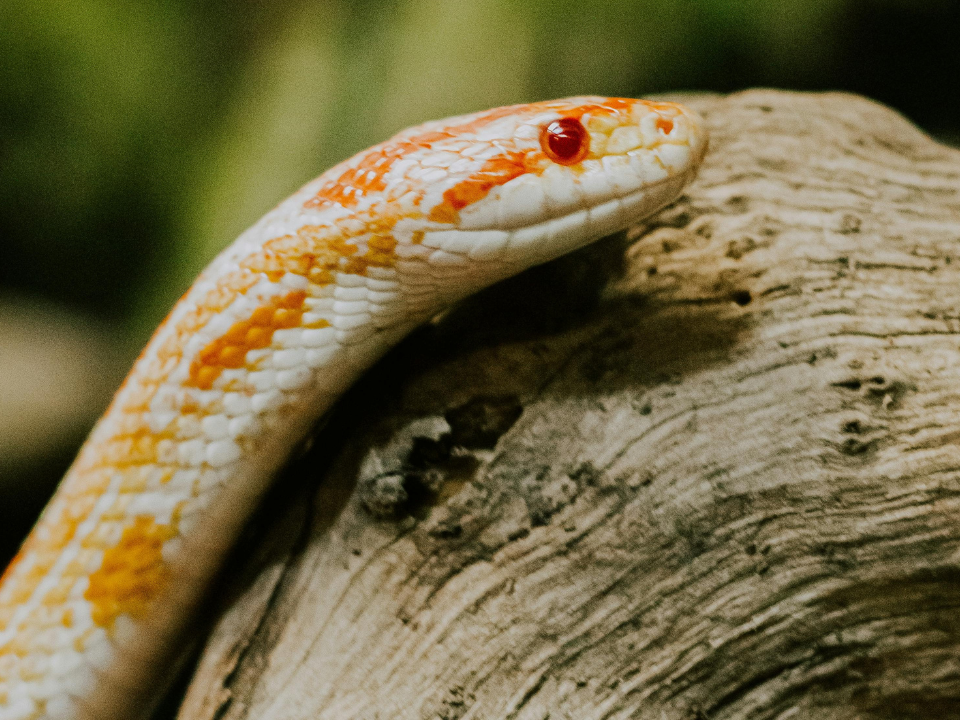
Corn snake morphs add amazing visual diversity to the species. Some are bright red or orange, while others display soft gray, white, or pastel colors. This variety allows keepers to appreciate the species in many different ways. Each morph highlights how flexible genetics can be.
Even though the colors vary widely, the snake underneath remains the same reliable and manageable reptile. This combination of beauty and simplicity is what makes corn snakes so popular. Morphs bring visual excitement without adding complicated care requirements.
FAQ: How Morphs Affect Care And Behavior In Corn Snakes
Do corn snake morphs change how you care for them?
In most cases, corn snake morphs do not change basic care requirements. Temperature, humidity, enclosure setup, and feeding routines remain the same regardless of color or pattern. Morphs primarily affect appearance rather than husbandry needs.
Providing a proper enclosure with stable temperature and humidity is far more important than the morph itself when it comes to keeping your snake healthy.
Are some corn snake morphs more sensitive than others?
Most corn snake morphs are just as hardy as standard wild-type snakes. However, some rare or heavily line-bred morphs may show slightly increased sensitivity due to genetics. This does not change their basic care needs, but it does mean environmental conditions should be monitored carefully.
Do albino corn snake morphs need different lighting?
Albino morphs lack dark pigmentation, which can make them slightly more sensitive to bright lighting. While corn snakes do not require UVB lighting to survive, softer lighting or shaded areas in the enclosure can help albino snakes feel more comfortable.
Providing multiple hides allows your snake to regulate light exposure naturally.
Do different morphs have different temperaments?
No. Temperament is not determined by morph type. A corn snake’s behavior is influenced more by handling, environment, and individual personality. With consistent handling and a secure enclosure, most corn snakes become calm and easy to manage regardless of their morph.
Are designer corn snake morphs harder to keep?
Designer morphs are usually no harder to care for than standard morphs. However, rare morphs are often more expensive and may require more careful breeding practices. From a care perspective, the enclosure setup and environmental conditions remain the same.
Can morph genetics cause health problems?
In some reptiles, certain morphs can carry genetic health issues, but corn snakes are generally considered one of the more stable species genetically. Responsible breeding practices help reduce the chances of problematic genetic traits.
Understanding basic corn snake breeding practices can help keepers make informed decisions when selecting morphs.
Why do breeders create new corn snake morphs?
Breeders selectively pair snakes with specific genetic traits to create new color and pattern combinations. Over time, stable genetic traits become recognized morphs. This process has produced hundreds of different corn snake morph variations.
Do morphs affect a corn snake’s activity level?
Morphs do not typically change activity levels. Corn snakes are naturally curious and exploratory snakes, especially during evening hours. Environmental enrichment such as branches, hides, and climbing structures plays a larger role in activity than genetics.
Should beginners choose a specific morph?
Beginners can safely choose any corn snake morph they like. Since care requirements are generally the same, the best morph is simply the one you enjoy looking at and feel excited to care for.
Focus on proper enclosure setup, temperature stability, and consistent handling to build a healthy relationship with your snake.
Can two different morphs be bred together?
Yes. Many breeders combine different morphs to produce new color and pattern combinations. However, breeding requires understanding genetics and proper preparation to ensure the health of the animals involved.
Final Thoughts On Morphs And Corn Snake Care
Corn snake morphs mainly affect appearance rather than care or behavior. Most morphs require the same enclosure setup, feeding schedule, and environmental conditions as any other corn snake. Personality differences usually come from individual traits and experiences rather than color genetics. For beginners and experienced keepers alike, this makes morph selection simple and enjoyable. The focus should always remain on proper husbandry, observation, and consistent care.