Feeding challenges such as refusal and regurgitation can be stressful, but they are fairly common in corn snake care. These issues usually signal that something in the environment, schedule, or handling routine needs adjustment. Corn snakes are sensitive to changes, and feeding problems often appear before other signs of stress. Understanding why these challenges happen helps prevent panic and rushed decisions. With patience and observation, most feeding issues can be resolved safely.
Understanding Feeding Refusal In Corn Snakes
Feeding refusal occurs when a corn snake chooses not to eat despite being offered appropriate prey. This behavior is often temporary and not immediately dangerous in healthy snakes. Refusal usually relates to stress, temperature issues, or recent changes. Corn snakes rarely refuse food without a reason. Identifying the cause is more effective than forcing a meal.
Common Causes Of Feeding Refusal
Environmental stress is one of the most common causes of refusal. Incorrect temperatures can slow digestion and suppress appetite. Recent handling or enclosure changes may also disrupt feeding. Seasonal shifts sometimes reduce appetite naturally. Addressing these factors usually restores normal feeding behavior.
Stress And Feeding Behavior
Stress directly affects appetite in corn snakes. Excessive handling, loud environments, or frequent enclosure disturbances increase stress. A stressed snake may hide constantly and ignore food. Allowing time to settle reduces refusal. Calm environments support reliable feeding responses.

Temperature Issues And Appetite
Temperature plays a major role in digestion and feeding interest. If the warm side is too cool, digestion slows and appetite drops. Overheating can also cause stress and refusal. Temperature gradients must remain stable. Correct temperatures often resolve feeding problems quickly.
Feeding During Shedding Cycles
Many corn snakes refuse food while preparing to shed. Reduced appetite during shedding is normal behavior. Vision may be impaired during this time, increasing caution. Feeding can resume after shedding is complete. Skipping a meal during shed is usually harmless.
Understanding Regurgitation
Regurgitation occurs when a corn snake expels undigested prey after eating. This is more serious than simple feeding refusal. Regurgitation stresses the digestive system and can cause dehydration. It usually indicates improper conditions rather than illness. Identifying the cause is critical before feeding again.
Common Causes Of Regurgitation
Handling too soon after feeding is a leading cause of regurgitation. Incorrect temperatures can also interfere with digestion. Feeding prey that is too large overwhelms the digestive system. Stress from enclosure disturbance may contribute. These causes are preventable with proper routines.
The Role Of Prey Size
Prey size strongly influences digestion success. Prey that is too large increases the risk of regurgitation. Proper prey should match the snake’s body width. Smaller prey is safer during recovery from feeding issues. Correct sizing protects digestive health.
Handling After Feeding
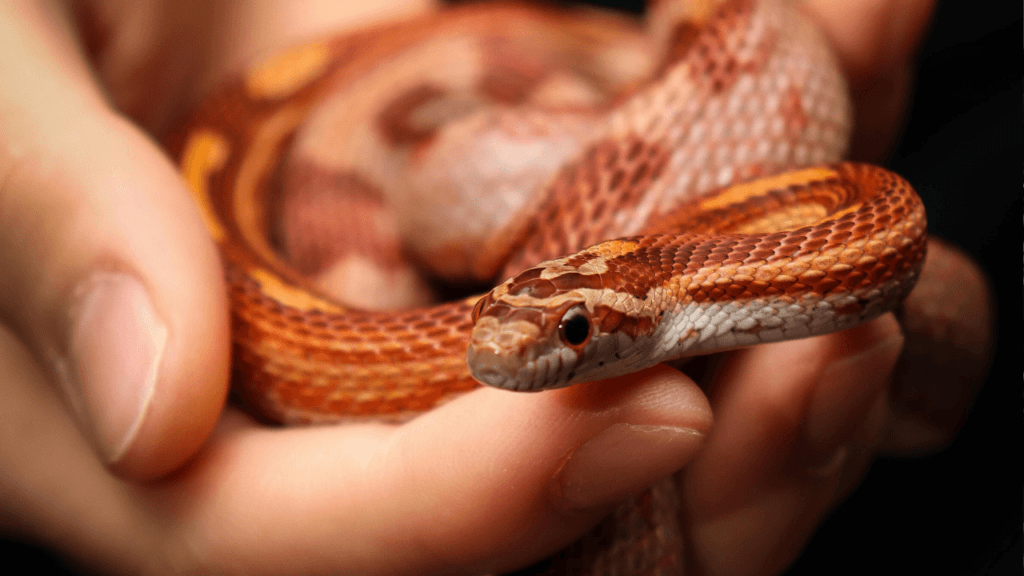
Corn snakes should not be handled immediately after eating. Digestion requires time and minimal disturbance. Handling within forty eight hours increases regurgitation risk. Feeding days should be calm and predictable. Respecting digestion time supports recovery.
What To Do After Regurgitation
After regurgitation, feeding should be paused to allow healing. The snake’s digestive tract needs time to recover. Offering food too soon increases repeat regurgitation risk. Waiting at least ten to fourteen days is recommended. Patience prevents long term damage.
Rehydration After Regurgitation
Regurgitation causes fluid loss and stress. Fresh water should always be available. Some snakes soak more after regurgitation, which is normal. Hydration supports recovery and digestion. Proper moisture helps stabilize the system.
Reducing Stress During Recovery
Reducing stress is essential after feeding issues. Handling should be minimized during recovery periods. Enclosure conditions should remain stable and quiet. Visual barriers and hides help the snake feel secure. Calm environments support healing.
Monitoring Behavior During Recovery
Observation is critical after refusal or regurgitation. Normal movement and alertness indicate recovery. Continued lethargy or repeated regurgitation requires attention. Behavioral patterns guide decisions. Observation replaces guessing.
Preventing Future Feeding Problems
Preventing feeding challenges starts with stable routines. Consistent temperatures support digestion. Proper prey sizing reduces risk. Gentle handling schedules protect appetite. Small adjustments prevent repeated issues.
Feeding Schedule Adjustments
Feeding schedules may need adjustment after challenges. Smaller meals may be safer temporarily. Feeding frequency should match recovery progress. Gradual changes prevent relapse. Flexibility improves outcomes.
Environmental Stability And Feeding Success
Stable environments support reliable feeding behavior. Sudden changes increase refusal risk. Predictable routines reduce stress responses. Enclosure consistency matters more than perfection. Stability builds confidence.
When To Seek Additional Help
Persistent feeding problems should not be ignored. Repeated regurgitation requires professional evaluation. Health concerns may need expert guidance. Early intervention prevents complications. Knowing when to ask for help matters.
Long Term Outlook After Feeding Challenges
Most corn snakes recover fully from feeding challenges. With proper adjustments, normal feeding resumes. Long term issues are uncommon when problems are addressed early. Experience improves confidence over time. Learning from challenges strengthens care skills.
Final Thoughts On Feeding Refusal And Regurgitation
Feeding refusal and regurgitation are signals, not failures. These challenges often point to correctable husbandry issues. Calm observation leads to effective solutions. Patience protects long term health. When feeding challenges are handled thoughtfully, corn snakes return to stable routines.