Feeding your corn snake properly is one of the most important parts of care because nutrition affects growth, digestion, behavior, and long term health. Corn snakes are straightforward eaters once you understand the basics, but feeding mistakes are still very common. Knowing what to feed, how often to feed, and how much to offer removes most of the confusion. When feeding is done correctly, corn snakes tend to be calmer and more predictable. A good feeding routine supports the entire care process.
When I first started, feeding felt intimidating because there was so much conflicting advice. Some sources made it sound overly complicated, while others made it seem like nothing could go wrong. The truth is feeding is simple once you understand the snake’s size and needs. After a few consistent feedings, it quickly becomes routine. Confidence grows with experience, and feeding stops being stressful.
TLDR: Feeding Your Corn Snake: What, When, And How Much
Feeding your corn snake properly is key to keeping it healthy and growing at a steady pace. Most corn snakes eat appropriately sized mice, with hatchlings starting on pinky mice and gradually moving up in size as they grow. Younger snakes typically eat every 5 to 7 days, while adults eat about every 7 to 10 days. Always offer prey that is about the same width as the snake’s body and avoid handling your snake for at least 48 hours after feeding to allow proper digestion.
What Corn Snakes Eat
Corn snakes eat whole prey, most commonly mice. In captivity, frozen thawed mice are the safest and most widely recommended option. Whole prey provides complete nutrition, including bones, organs, and muscle. Corn snakes do not need supplements when fed properly sized whole prey. One prey item per feeding is usually sufficient.
Live prey is generally discouraged because it can injure the snake. Frozen thawed prey removes that risk and is easier to store and manage. Prey should always be fully thawed and warmed appropriately before feeding. Feeding whole prey mirrors natural behavior and supports healthy digestion.
Choosing The Right Prey Size
Prey size matters more than people realize. A general guideline is to choose prey that is about the same width as the widest part of the snake’s body. Prey that is too small may slow growth, while prey that is too large can cause regurgitation. Corn snakes are capable of stretching, but that does not mean bigger is better.
Watching how the snake handles its meal provides useful feedback. A smooth swallow with minimal struggle indicates proper sizing. If the snake struggles excessively or regurgitates, the prey may be too large. Adjusting prey size prevents stress and digestive issues.
How Often To Feed A Corn Snake
Feeding frequency depends on the age and size of the snake. Hatchlings and juveniles need food more often because they are growing. They are usually fed every five to seven days. As the snake grows, feeding intervals become longer. Adult corn snakes are typically fed every ten to fourteen days.
Overfeeding is a common mistake. Feeding too often can lead to obesity and reduced lifespan. Underfeeding can slow growth and affect health. Following a consistent schedule based on age keeps feeding balanced. Consistency matters more than exact days.
How Much To Feed At Each Meal
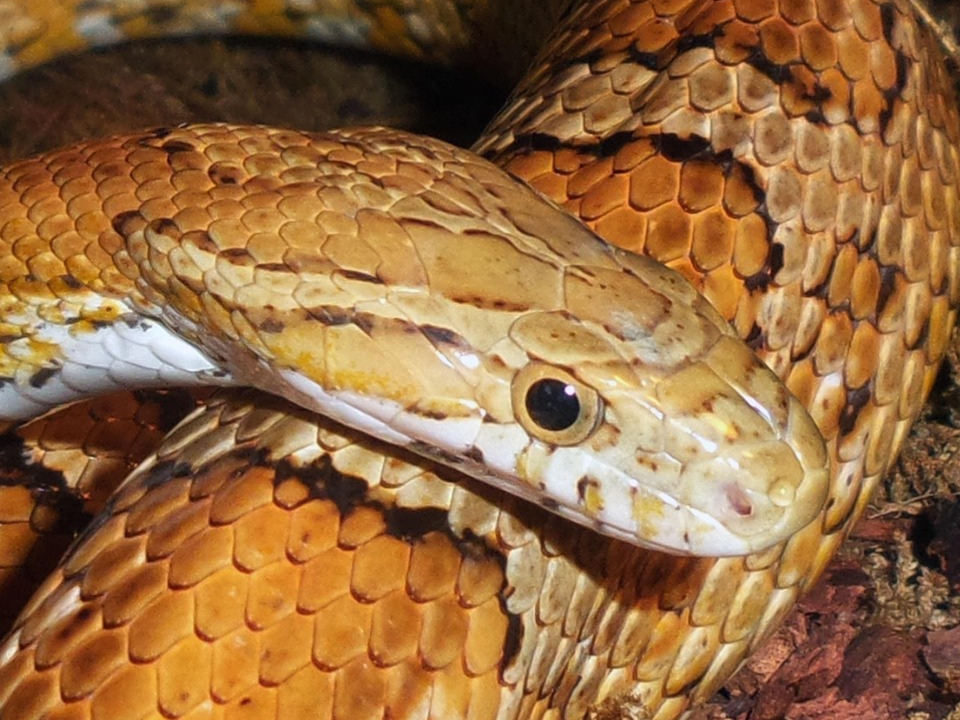
Corn snakes usually eat one appropriately sized prey item per feeding. Offering multiple prey items at once is rarely necessary. One meal should satisfy the snake until the next scheduled feeding. Feeding more does not make the snake healthier. It often creates problems instead.
After feeding, the snake should have a visible but not excessive bulge that disappears within a day or two. That bulge is normal and shows digestion is happening. If the bulge remains for too long, the meal may have been too large. Observing digestion helps fine tune feeding amounts.
Feeding Technique And Best Practices
Using feeding tongs is recommended for safety and control. Tongs help prevent accidental bites and keep feeding calm. The prey should be presented gently rather than waved aggressively. Calm movement encourages a focused feeding response.
Feeding should always take place in the enclosure unless there is a specific medical reason not to. Moving the snake to feed can increase stress and does not prevent feeding related behavior. After feeding, the snake should be left alone for at least forty eight hours. Handling too soon can cause regurgitation.
If you need guidance on Weaning Corn Snake Hatchlings To Solid Food come check out this button
Understanding Feeding Behavior
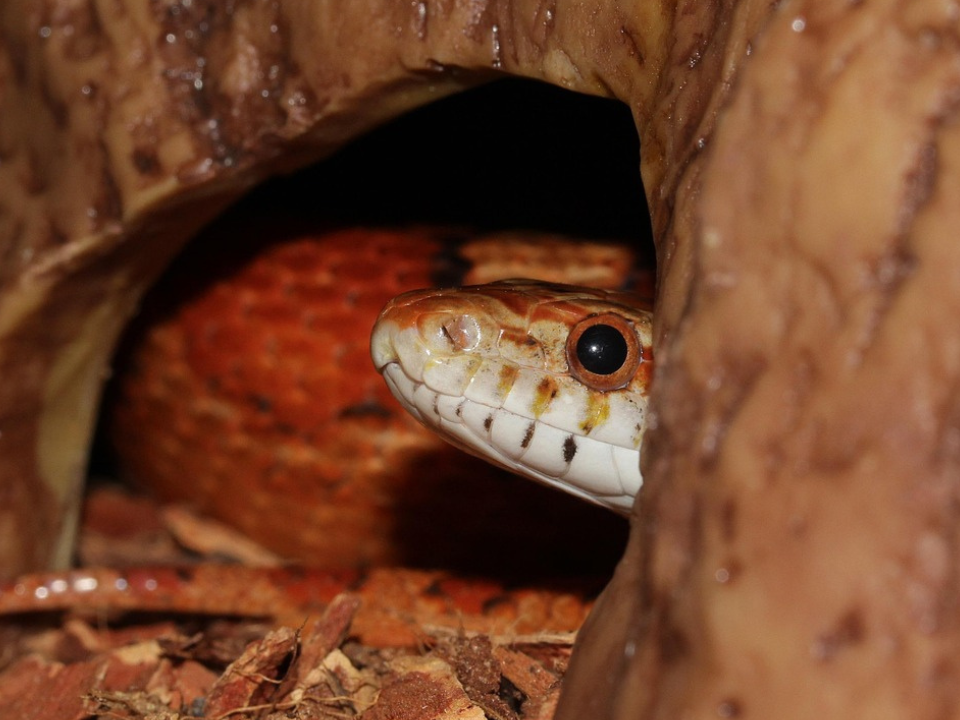
Corn snakes may not eat immediately every time, and that is not always a problem. Temporary refusal can be caused by shedding, temperature changes, or stress. A healthy snake missing one meal is usually not an emergency. Patterns matter more than single events.
A snake that consistently refuses food may be reacting to husbandry issues. Temperature, security, and stress levels should be checked. Feeding behavior often improves once environmental issues are corrected. Observation helps determine whether intervention is needed.
Feeding During Shedding Cycles
Many corn snakes eat normally during shedding, while others refuse food temporarily. Both responses are normal. Feeding can be skipped if the snake is deep in shed and uninterested. Forcing food during shedding is unnecessary.
Once shedding is complete, feeding usually resumes normally. Maintaining proper humidity helps ensure clean sheds and smooth feeding transitions. Patience during shedding cycles prevents unnecessary stress.
Adjusting Feeding As The Snake Grows
Feeding routines should change as the snake grows. Prey size increases gradually over time. Feeding frequency decreases as growth slows. Keeping track of growth helps guide these changes. Adjustments should be made slowly.
Weighing the snake occasionally can help monitor growth. Sudden weight changes may indicate feeding issues. Gradual growth is ideal. Feeding should support healthy development without excess.
Avoiding Common Feeding Mistakes
Common feeding mistakes include overfeeding, offering prey that is too large, and handling too soon after meals. Another mistake is changing prey type or schedule too often. Corn snakes thrive on routine. Predictability supports feeding success.
Skipping meals out of worry can also cause problems. Feeding should follow a consistent plan rather than emotional decisions. Confidence grows as feeding becomes routine. Mistakes decrease with experience.
Long Term Feeding Success
Long term feeding success comes from consistency and observation. Once a routine is established, feeding becomes easy. Snakes that are fed properly tend to show steady growth and predictable behavior. Stress related feeding issues decrease over time.
Feeding also becomes safer for the keeper. Calm routines reduce mistakes and accidents. Confidence replaces anxiety. Feeding becomes one of the simplest parts of care.
FAQ: Feeding Your Corn Snake
What do corn snakes eat?
Corn snakes primarily eat rodents such as mice and occasionally small rats as they grow larger. Hatchlings usually start with pinky mice, while adult corn snakes typically eat adult mice. The prey size should be roughly the same width as the thickest part of your snake’s body.
How often should I feed my corn snake?
Feeding frequency depends on your snake’s age and size. Hatchlings and young snakes usually eat every 5 to 7 days, while adult corn snakes are typically fed every 7 to 14 days. A consistent feeding schedule helps support healthy growth and digestion.
What size prey should I feed my corn snake?
The prey should be approximately the same width as the snake’s thickest body section. Feeding prey that is too large can cause regurgitation or stress. Gradually increase prey size as your corn snake grows.
Should I feed my corn snake live or frozen mice?
Frozen thawed mice are strongly recommended for safety and convenience. Live prey can injure your snake if the rodent fights back. Frozen prey also reduces the risk of parasites and is easier to store.
How do I safely thaw frozen mice for feeding?
Frozen mice should be thawed in warm water until completely defrosted and slightly warm. Never use a microwave because it can create hot spots that may harm your snake. Always ensure the prey is fully thawed before offering it.
Why is my corn snake refusing food?
Corn snakes may refuse food due to shedding cycles, stress, environmental changes, or incorrect enclosure temperatures. Before assuming illness, check that the enclosure temperature gradient is correct and that your snake is not in the middle of shedding.
How long should I wait to handle my corn snake after feeding?
You should wait at least 48 hours before handling your corn snake after a meal. Handling too soon can disrupt digestion and may cause regurgitation.
What should I do if my corn snake regurgitates its food?
If regurgitation occurs, allow your snake at least 10 to 14 days to recover before offering another meal. Check enclosure temperatures to ensure digestion conditions are correct. Persistent regurgitation may require veterinary attention.
Can I overfeed my corn snake?
Yes. Overfeeding can lead to obesity and long term health problems. Maintaining an appropriate feeding schedule and prey size is important for your snake’s long term health and lifespan.
How can I tell if my corn snake is hungry?
Hungry corn snakes often become more active around feeding time and may show increased tongue flicking or attention toward movement near the enclosure. Observing your snake’s routine will help you recognize its normal feeding behavior.
Final Thoughts On Feeding Corn Snakes
Feeding your corn snake correctly is about understanding size, timing, and consistency rather than complexity. Whole prey, appropriate portions, and predictable schedules support healthy growth and digestion. Observation helps refine routines over time. Small adjustments prevent big problems. When feeding is done thoughtfully, corn snake care becomes smoother, safer, and far more enjoyable.