Rushing The Setup Process
Rushing the setup process is one of the most common mistakes because excitement often moves faster than patience. Skipping proper planning can lead to poor layout choices, unstable temperatures, and missing essentials that should have been addressed first. Corn snakes benefit most from environments that are fully prepared and tested before they are introduced. A rushed setup often creates more work later when issues start appearing one by one. Taking time at the beginning saves stress, effort, and a few deep sighs down the road.
TLDR: Common Mistakes When Setting Up Corn Snake Habitats
Common setup mistakes include incorrect temperatures, poor humidity control, lack of hiding spots, and insecure enclosures. These issues can cause stress, feeding problems, and health concerns. Focusing on proper heating, balanced humidity, secure housing, and basic enrichment helps create a stable environment and prevents most problems.
Choosing The Wrong Enclosure Size
Selecting an enclosure that is too small limits movement and can increase stress over time. Choosing one that is too large without proper layout and coverage can also make a snake feel insecure. Size should always support proper temperature gradients and allow room for hides and movement. Enclosure choice affects heating, décor, and overall behavior. Planning size carefully prevents the need for unnecessary upgrades later.
Ignoring Temperature Gradients
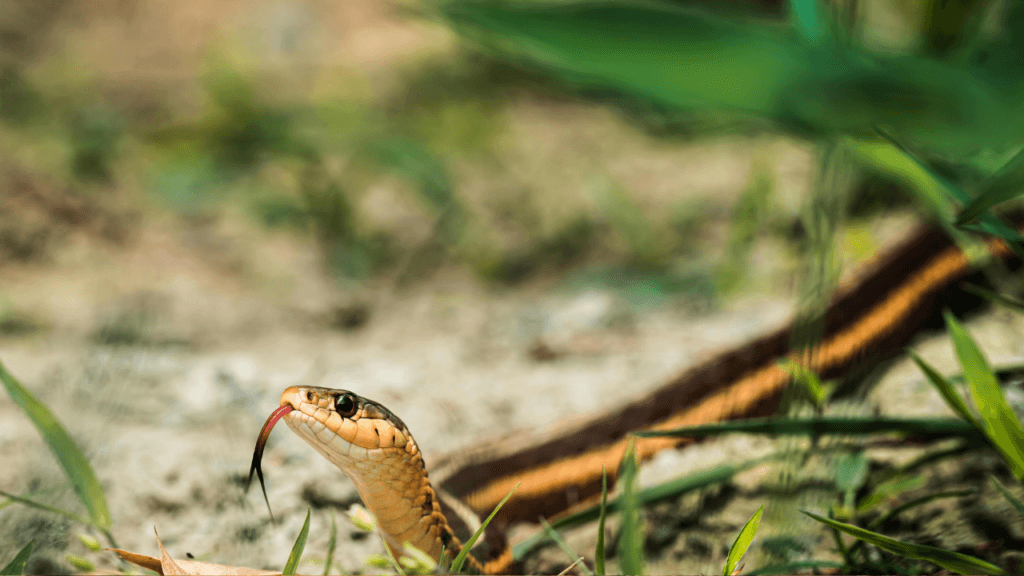
Using a single temperature throughout the enclosure removes the snake’s ability to self regulate. Corn snakes rely on moving between warm and cool areas to manage digestion and activity. Poor temperature gradients can lead to feeding problems and lethargy. Heating must be planned intentionally rather than guessed. Gradients are essential, not optional features.
Improper Heating Equipment
Using unsafe or outdated heating equipment is a serious and avoidable mistake. Heat rocks and unregulated heat sources are well known for causing burns. All heating devices should be controlled by reliable thermostats. Placement of heating elements matters just as much as the equipment itself. Safe heating protects the snake and prevents emergencies.
Guessing Instead Of Measuring
Guessing temperatures and humidity rarely leads to consistent results. Human comfort levels do not match reptile needs in any reliable way. Thermometers and hygrometers provide accurate information that removes uncertainty. Measuring allows you to make informed adjustments instead of random changes. Proper tools make enclosure management far less frustrating.
Poor Ventilation Planning
Too little ventilation traps moisture and stale air inside the enclosure. Too much ventilation can dry the environment too quickly and disrupt humidity balance. Balanced airflow supports respiratory health and overall comfort. Vent placement should be intentional rather than accidental. Airflow matters more than many people initially realize.
Using Unsafe Substrates
Unsafe substrates introduce unnecessary health risks that can be avoided with proper research. Pine, cedar, and sand are known to cause respiratory or digestive issues. Scented substrates can add stress and irritation. Safe materials support natural behavior and easier maintenance. Substrate choice plays a larger role than it appears.
If you need any guidance on Health Issues In Corn Snakes: Signs To Watch For And Preventative Care come check out this button
Not Providing Enough Hides
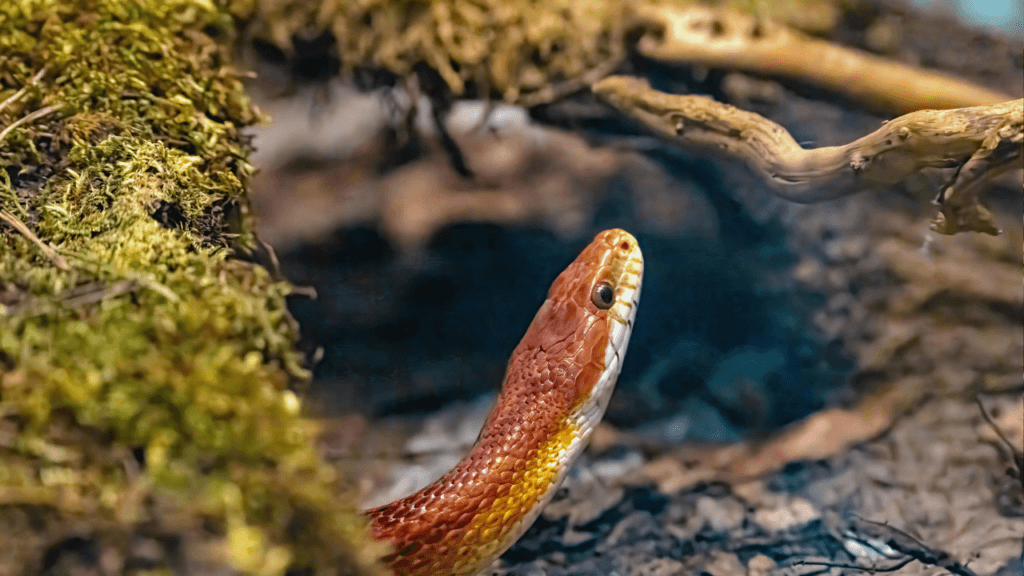
Too few hides leave corn snakes feeling exposed and vulnerable. These snakes rely heavily on hides to feel secure in their environment. At least one hide should be placed on each temperature zone. Additional hides often reduce stress and encourage normal behavior. Security builds confidence and calm exploration.
Overdecorating The Enclosure
Too much decor can restrict movement and interfere with airflow. Crowded enclosures may feel chaotic rather than enriching. Corn snakes need clear pathways as well as cover. Every item placed inside should serve a clear purpose. Less is often more, even if the décor looks impressive.
Ignoring Humidity Needs
Humidity plays a direct role in shedding and respiratory health. Low humidity can cause incomplete or stuck sheds. Excessively high humidity may contribute to respiratory problems. Balance is essential for long term comfort. Monitoring humidity prevents avoidable health issues.
Placing The Enclosure Poorly In The Home
The location of the enclosure affects temperature stability and stress levels. Drafts and direct sunlight can quickly disrupt internal conditions. High traffic areas may increase anxiety over time. Quiet, stable locations tend to work best. Placement matters more than many expect.
Skipping Quarantine Practices
New snakes should always be quarantined before joining established setups. Skipping quarantine increases the risk of spreading illness or parasites. Simple setups make monitoring health much easier during this period. Quarantine protects all animals involved. Patience during quarantine prevents larger problems later.
Inconsistent Maintenance Routines
Inconsistent cleaning routines allow waste and odor to build up. Spot cleaning should be performed regularly to maintain cleanliness. Deep cleaning should follow a predictable schedule. Consistency keeps environmental conditions stable. Routine maintenance supports long term health.
Making Too Many Changes At Once
Changing multiple factors at the same time makes troubleshooting difficult. Small adjustments allow you to see what actually works. Corn snakes need time to adapt to changes. Rapid shifts increase stress and confusion. Slow and steady adjustments work best.
Ignoring Snake Behavior
Behavior provides constant feedback about enclosure conditions. Excessive hiding, pacing, or refusal to eat are important signals. Ignoring behavior delays necessary adjustments. Observation helps guide improvements accurately. The snake communicates clearly through its actions.
Expecting Instant Perfection
No enclosure setup is perfect on the first attempt. Adjustments are normal and expected over time. Experience improves results with each refinement. Learning is part of responsible care. Progress matters more than perfection.
Copying Setups Without Understanding Them
Copying another setup without understanding its purpose can lead to problems. Every home has different temperature and humidity conditions. What works well for one keeper may not work for another. Adaptation is more important than imitation. Knowledge leads to better decisions.
FAQ: Common Mistakes When Setting Up Corn Snake Habitats
What is the most common mistake when setting up a corn snake habitat?
One of the most common mistakes is choosing an enclosure that is too small. Limited space restricts movement, reduces enrichment opportunities, and can lead to stress over time.
Can using the wrong temperature setup cause problems?
Yes, incorrect temperatures are one of the biggest issues. Without a proper temperature gradient, your snake cannot regulate its body temperature, which affects digestion and overall health.
What happens if there is no temperature gradient?
Without a warm and cool side, your snake cannot move to adjust its body temperature. This can lead to poor digestion, inactivity, and stress.
Is using only one thermometer a mistake?
Yes, relying on a single thermometer does not give an accurate picture. You need readings from both sides of the enclosure to monitor the gradient properly.
Can poor humidity control be a problem?
Yes, incorrect humidity can lead to shedding issues, dry skin, or increased risk of mold and bacteria growth.
What happens if humidity is too low or too high?
Low humidity can cause incomplete shedding, while high humidity can encourage mold growth and respiratory problems.
Is not using a thermostat a mistake?
Yes, using heat sources without a thermostat can lead to overheating and unsafe conditions.
Can a lack of hides cause stress?
Yes, corn snakes need secure hiding spots to feel safe. Without them, they may become stressed and avoid exploring.
How many hides should I provide?
At least two hides should be provided, one on the warm side and one on the cool side.
Can too much open space be a problem?
Yes, too much open space without cover can make your snake feel exposed and stressed.
Is overcrowding the enclosure a mistake?
Yes, adding too many items can limit movement and make the enclosure difficult to navigate.
Can using unsafe materials be dangerous?
Yes, materials with sharp edges, chemicals, or unstable structures can harm your snake.
Is poor ventilation a problem?
Yes, poor airflow can lead to stale air, high humidity, and increased risk of mold and bacteria.
Can placing the enclosure in the wrong location cause issues?
Yes, placing it in direct sunlight, near drafts, or in high-traffic areas can create unstable conditions and stress.
Is skipping regular maintenance a mistake?
Yes, without regular cleaning and monitoring, waste and bacteria can build up quickly.
Can improper substrate choice cause problems?
Yes, the wrong substrate can affect humidity, cleanliness, and your snake’s comfort.
Is not securing the enclosure properly a mistake?
Yes, corn snakes are excellent escape artists. An unsecured enclosure can lead to escapes and potential injury.
Can changing the setup too often cause stress?
Yes, frequent major changes can make your snake feel unsettled. Stability is important.
Is ignoring your snake’s behavior a mistake?
Yes, your snake’s behavior is a key indicator of whether the setup is working. Ignoring changes can delay needed adjustments.
Can improper feeding setup affect the habitat?
Yes, feeding practices can impact cleanliness and stress levels within the enclosure.
What is the biggest beginner mistake overall?
The biggest mistake is focusing on appearance instead of function. A habitat should first meet your snake’s needs before anything else.
How can I avoid these mistakes?
Research proper care, monitor conditions daily, and make gradual adjustments based on your snake’s behavior and needs.
Can fixing these mistakes improve my snake’s health?
Yes, correcting setup issues can quickly improve comfort, reduce stress, and support overall health.
Final Thoughts On Avoiding Common Mistakes
Most enclosure setup mistakes come from rushing or guessing instead of planning. Observation and preparation prevent many common issues. Using proper tools reduces frustration and uncertainty. Corn snakes benefit from thoughtful, consistent care. Avoiding common mistakes makes everything easier over time.