Why The Enclosure Matters
The enclosure matters because it becomes your corn snake’s entire world, and everything it experiences happens inside that space. Comfort, security, and health all start with the enclosure, whether we realize it or not. A properly chosen enclosure supports natural behaviors like hiding, exploring, and thermoregulating throughout the day. When the enclosure is poorly designed, snakes may show stress through refusal to eat or constant restlessness. Choosing the right enclosure early prevents many problems that snake owners joke about later but would rather avoid.
TLDR: Choosing The Perfect Enclosure For Your Corn Snake
Choosing the perfect enclosure means prioritizing security, space, and proper conditions. Your corn snake needs a well-ventilated, escape-proof habitat with enough room to move and explore. The enclosure should support a temperature gradient, appropriate humidity, and include essentials like hides and substrate. A well-chosen setup makes ongoing care easier and supports long-term health.
Understanding How Corn Snakes Use Enclosures
Corn snakes naturally move along edges and prefer staying close to walls or objects that provide cover. They feel safer when they can travel without crossing wide open spaces that leave them exposed. Throughout the day, they move between warmer and cooler areas depending on digestion and activity needs. An enclosure should allow this movement naturally without forcing the snake into uncomfortable choices. Layout matters just as much as size, even if the snake will never complain out loud.
Glass Enclosures And Their Pros And Cons
Glass enclosures are popular because they are widely available and allow full visibility of the snake. This visibility makes it easy to monitor behavior, feeding responses, and general health. However, glass does not retain heat well and often requires additional insulation to maintain stable temperatures. Snakes may also feel exposed in glass enclosures if there is not enough cover or clutter. With proper setup and planning, glass enclosures can work well, even if they are a bit high maintenance.

Plastic Enclosures And Their Advantages
Plastic enclosures are known for retaining heat and humidity more efficiently than glass options. They reduce outside visual stimulation, which can help lower stress in sensitive snakes. These enclosures are also lightweight, making them easier to move or reposition when needed. Ventilation must be planned carefully to avoid stale air or excessive humidity buildup. When properly balanced, plastic enclosures provide excellent stability and fewer daily adjustments.
PVC Enclosures For Long-Term Use
PVC enclosures are often chosen for long-term housing due to their durability and insulation properties. They hold heat well and resist moisture damage over time. Front-opening doors make feeding and cleaning easier for both the snake and the owner. These enclosures usually cost more upfront, which can cause hesitation for beginners. Long-term reliability often makes them worth the investment, especially for people who prefer fewer surprises.
Choosing The Right Enclosure Size
Enclosure size directly affects movement, layout, and the ability to create temperature gradients. A corn snake should be able to stretch out comfortably without feeling cramped. Larger enclosures allow for better enrichment and more natural movement patterns. Too small of an enclosure limits layout options and can make temperature control difficult. Bigger often works better when designed thoughtfully rather than left empty.
Planning For Growth Over Time
Corn snakes grow steadily, even if they start out looking like tiny noodles with opinions. Choosing an enclosure with future growth in mind prevents frequent upgrades later. Constant enclosure changes can cause stress and disrupt established routines. Planning ahead saves time, money, and frustration over the long term. Growth planning is smart planning, even if the snake seems unimpressed.
Supporting Proper Temperature Gradients
A proper enclosure must support a clear warm side and a clear cool side. Poor enclosure design makes creating temperature gradients unnecessarily difficult. Corn snakes rely on these gradients to regulate body temperature and digestion. Without proper gradients, activity levels and feeding responses can suffer. Good enclosure design supports function rather than forcing constant corrections.
If you need any guidance on Temperature And Humidity Requirements For Corn Snakes come check out this button
Ventilation And Airflow Considerations
Ventilation plays an important role in respiratory health and humidity balance. Too little airflow can trap stale air and excess moisture. Too much airflow can dry out the enclosure and disrupt temperature stability. Balanced ventilation keeps conditions consistent and predictable. Airflow should always be intentional rather than accidental.
Security And Escape Prevention
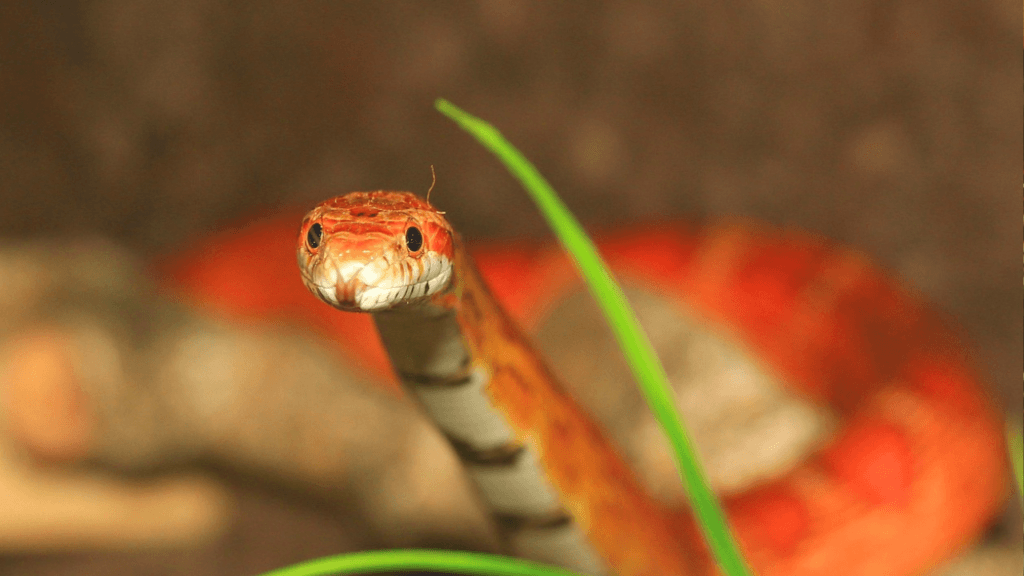
Corn snakes are surprisingly skilled escape artists when given even a small opportunity. Tiny gaps can quickly become exits if they are overlooked. Doors, lids, and seams should be checked regularly to prevent accidents. Locks or secure latches are strongly recommended for peace of mind. Security always comes first, especially when snakes test boundaries quietly.
Ease Of Maintenance And Access
An enclosure should be easy to clean and access without unnecessary struggle. Front-opening designs reduce stress during routine care and feeding. Poor access often leads to delayed cleaning or skipped maintenance. Easy access supports consistency in care routines. Consistency supports health, even on busy days.
Placement Of The Enclosure In Your Home
Where the enclosure is placed affects temperature stability and stress levels. Drafts and direct sunlight can quickly disrupt internal conditions. High-traffic areas may increase anxiety for the snake over time. Quiet, stable locations tend to work best. Placement matters more than most people expect at first.
Avoiding Enclosures Chosen Only For Appearance
Some enclosures look impressive but function poorly for snakes. Tall display enclosures may lack usable horizontal space. Corn snakes prioritize security and function rather than visual appeal. Decisions should be guided by the snake’s needs rather than aesthetics. Looks should always come second, even if the enclosure matches the couch.
Budget Considerations When Choosing An Enclosure
Good enclosures exist across a wide range of price points. Higher cost does not always mean better functionality. Safety and stability should never be sacrificed to save money. Planning ahead prevents rushed purchases that lead to regret. Smart budgeting leads to better long-term results.
Testing The Enclosure Before Use
Every enclosure should be tested before the snake is introduced. Temperature and humidity should be monitored for several days. Adjustments should be made before housing the snake permanently. Testing helps prevent emergencies and unnecessary stress. Preparation builds confidence for both owner and snake.
Observing Your Corn Snake After Setup
Behavior is the clearest indicator of whether the enclosure is working. Calm exploration usually signals comfort and security. Constant hiding or refusal to eat may indicate issues. Small changes in layout or temperature often solve problems. Observation guides improvement over time.
Avoiding Common Enclosure Mistakes
Rushing setup often leads to avoidable issues later. Skipping measurements creates layout and temperature problems. Ignoring ventilation can throw off humidity and airflow. Guessing instead of measuring adds unnecessary stress. Most mistakes are preventable with proper planning.
Long-Term Comfort And Stability
Long-term success depends heavily on stability within the enclosure. Consistent conditions reduce stress and support healthy behavior. Enclosures should support the snake throughout its entire life. Routine maintenance keeps systems running smoothly. Stability improves overall health and longevity.
FAQ: Choosing The Perfect Enclosure For Your Corn Snake
What size enclosure does a corn snake need?
A general rule is that the enclosure should be at least as long as the snake. For adults, a 40-gallon enclosure or larger is typically recommended to provide enough space for movement and enrichment.
Can I use a smaller enclosure for a baby corn snake?
Yes, hatchlings can start in smaller enclosures, which can help them feel more secure. As they grow, you should upgrade to a larger enclosure.
What type of enclosure is best for corn snakes?
Glass tanks, PVC enclosures, and secure plastic enclosures are all good options. The key is proper ventilation, secure locking, and enough space for a temperature gradient.
Are glass tanks good for corn snakes?
Yes, glass tanks are popular and easy to set up, but they may require more attention to maintain proper humidity and temperature.
Are plastic enclosures a good option?
Yes, plastic enclosures can hold heat and humidity well and are often lightweight and easy to manage.
What is the most important feature of an enclosure?
Security is one of the most important features. Corn snakes are known for escaping, so a tight-fitting lid or secure door is essential.
Do corn snakes need a lid?
Yes, a secure lid is necessary to prevent escapes and protect your snake.
How much space should I provide inside the enclosure?
There should be enough space for your snake to stretch out, move freely, and explore, while still having areas to feel secure.
Should the enclosure be taller or wider?
Corn snakes benefit from both horizontal and some vertical space. A longer enclosure is more important, but adding height allows for climbing enrichment.
Where should I place the enclosure?
Place it in a quiet area away from direct sunlight, drafts, and high-traffic zones. This helps reduce stress and maintain stable conditions.
Can I keep multiple corn snakes in one enclosure?
No, corn snakes should be housed individually to prevent stress, competition, or accidental injury.
What should I include inside the enclosure?
Essential items include hides, substrate, a water dish, and climbing structures. These help create a comfortable and stimulating environment.
How important is ventilation?
Proper ventilation is important to prevent stale air, control humidity, and reduce the risk of mold or bacteria buildup.
Can enclosure size affect behavior?
Yes, too small of an enclosure can limit movement and cause stress, while a properly sized enclosure encourages natural behavior.
How do I choose the right enclosure as my snake grows?
Plan for future growth by selecting an enclosure that can accommodate your snake as it gets larger, or be prepared to upgrade over time.
Is it okay to buy the adult enclosure right away?
Yes, but you should include plenty of hides and clutter so a smaller snake still feels secure in a larger space.
How do I prevent my snake from escaping?
Use secure locks, check for gaps, and ensure the enclosure is tightly sealed at all times.
Can enclosure material affect temperature?
Yes, different materials retain heat differently. PVC and plastic hold heat well, while glass may lose heat more quickly.
How do I maintain temperature in the enclosure?
Use proper heating equipment like heat mats or emitters along with a thermostat to maintain stable conditions.
Can lighting affect enclosure choice?
Yes, some enclosures are better suited for lighting setups. Make sure your enclosure can safely support your heating and lighting equipment.
What is the biggest mistake when choosing an enclosure?
The biggest mistake is choosing an enclosure that is too small or not secure enough. Both can lead to stress and escape risks.
Can a good enclosure improve my snake’s health?
Yes, a properly sized and well-designed enclosure supports natural behavior, reduces stress, and contributes to overall health.
Should I upgrade the enclosure over time?
Yes, as your snake grows, upgrading the enclosure ensures it continues to have enough space and enrichment.
Final Thoughts On Choosing The Perfect Enclosure
Choosing the right enclosure sets the foundation for successful corn snake care. Comfort, security, and function should guide every decision. Planning ahead prevents unnecessary changes and stress. Ongoing observation keeps the setup effective over time. A well-chosen enclosure supports a calm, healthy corn snake for years to come.
If you would like to learn more about buying an enclosure come check out this button