Understanding corn snake behavior becomes much easier when enrichment activities are part of the enclosure design. Corn snakes communicate comfort, stress, and curiosity through movement patterns rather than obvious signals. Enrichment gives them opportunities to show these behaviors in clear and observable ways. Without enrichment, behavior can look flat or misleading, which makes interpretation harder. A thoughtfully enriched environment turns behavior into useful feedback instead of guesswork.
When I first started keeping corn snakes, I assumed a quiet snake was always a happy snake. Over time, I learned that silence and stillness can mean many different things. Enrichment helped reveal the difference between relaxation and disengagement. Once the enclosure encouraged natural movement, behavior became much easier to read. The snake was not changing, the information just became clearer.
TLDR: Understanding Corn Snake Behavior Through Enrichment Activities
Enrichment activities help stimulate your corn snake’s natural behaviors and keep it mentally and physically engaged. Simple additions like climbing branches, tunnels, textured surfaces, and varied enclosure layouts encourage exploring, hiding, and scent tracking. These activities mimic the challenges snakes would encounter in the wild, reducing boredom and promoting healthier behavior. Regularly refreshing the enclosure setup can provide new stimulation while still keeping the environment safe and comfortable for your snake.
Why Behavior Matters In Corn Snake Care
Behavior is the most reliable indicator of a corn snake’s well being. Unlike mammals, snakes do not vocalize discomfort or seek attention. Their behavior reflects how they feel about their environment. Enrichment gives them choices, and choices reveal preferences. Those preferences are valuable information.
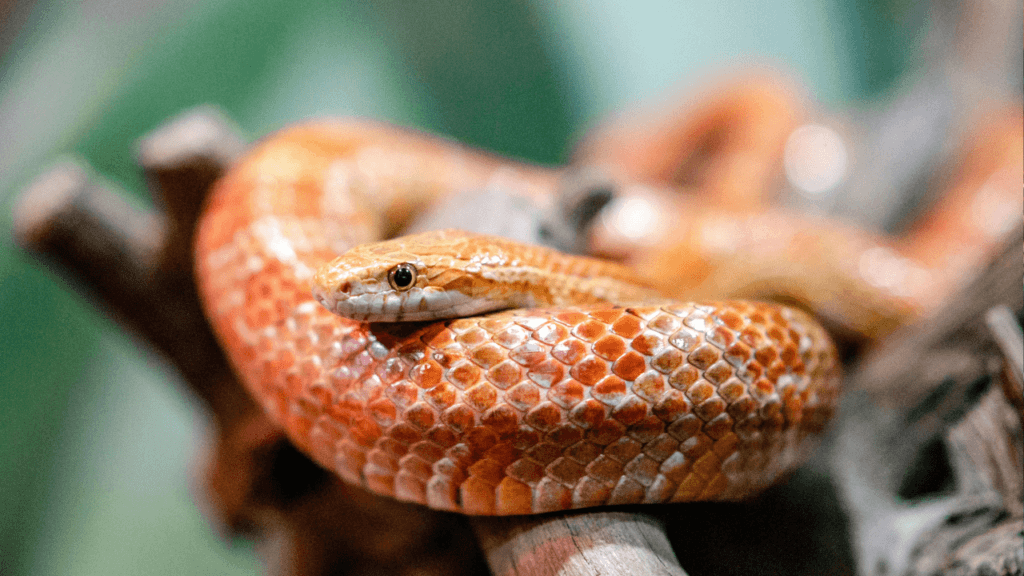
A snake that explores calmly is usually comfortable. A snake that hides constantly may be stressed or lacking security. Behavior helps identify issues before health problems appear. Enrichment turns everyday movement into meaningful data. Watching behavior closely improves care decisions over time.
How Enrichment Encourages Natural Responses
Enrichment allows corn snakes to express instinctive behaviors they would use in the wild. These include edge traveling, hiding, climbing, and adjusting position for temperature. When these behaviors appear naturally, it indicates the enclosure is functioning well. A snake using multiple areas of the enclosure is making choices. Choice is a sign of comfort.
Without enrichment, behavior becomes limited. The snake may only move to eat or drink. That does not mean it is content, it means it has no reason to move. Enrichment creates reasons without pressure. Movement becomes voluntary rather than forced.
Reading Exploration Patterns
Exploration is one of the easiest behaviors to observe. Corn snakes often explore during low light hours when they feel safest. Enrichment such as ground cover and pathways encourages this behavior. Calm, steady movement suggests confidence. Sudden darting or freezing may indicate stress.
Exploration does not mean constant activity. A healthy snake explores, rests, and hides in balance. Enrichment supports this rhythm. When exploration increases after enrichment is added, it usually means the snake feels safer. Confidence shows itself through curiosity.
Understanding Hiding Behavior
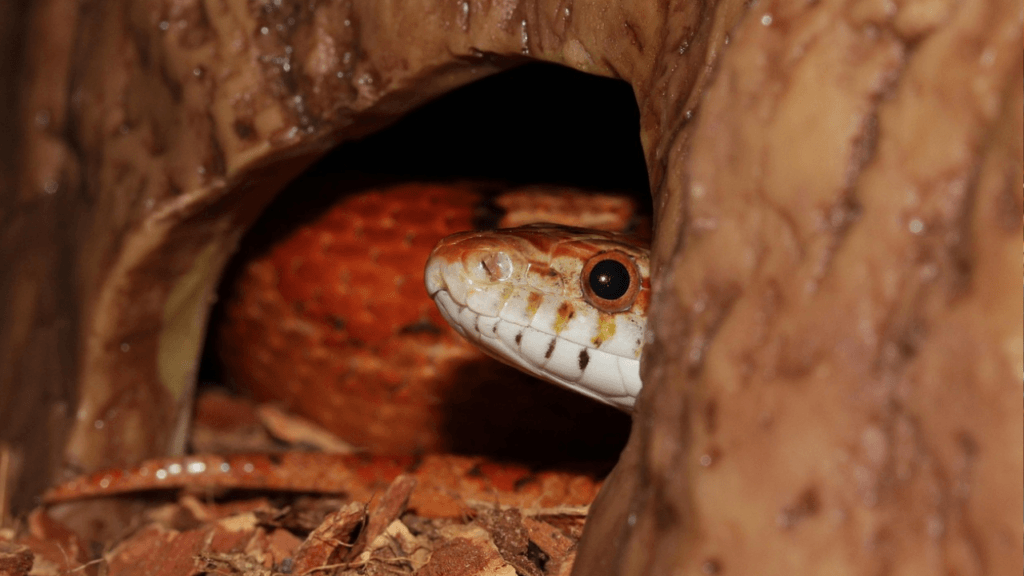
Hiding is a normal and necessary behavior for corn snakes. Enrichment helps clarify whether hiding is healthy or excessive. Multiple hides in different temperature zones allow the snake to hide comfortably while meeting physical needs. A snake that chooses different hides throughout the day is using the enclosure well.
Constant hiding in one location can signal discomfort. This may be due to poor temperature placement or lack of security elsewhere. Enrichment reveals these patterns clearly. The goal is not to eliminate hiding, but to make it optional. A snake that feels safe will hide by choice, not necessity.
Climbing And Vertical Exploration
While corn snakes are primarily ground dwelling, many enjoy climbing when given safe opportunities. Enrichment that includes low branches or elevated pathways encourages this behavior. Occasional climbing is a sign of curiosity and physical engagement. It also supports muscle use and coordination.
Not all corn snakes climb often, and that is normal. The key is offering the option. If climbing occurs occasionally, enrichment is working. If it never occurs, that is also useful information. Behavior preferences vary, and enrichment helps reveal them.
Thermoregulation As A Behavioral Signal
One of the most important behaviors to observe is thermoregulation. Enrichment supports this by providing hides and cover on both warm and cool sides. A snake that moves between zones is regulating its body temperature effectively. This behavior indicates proper enclosure design.
If a snake stays only on one side, enrichment may need adjustment. The snake may feel insecure in other areas. Enrichment highlights whether temperature zones are truly usable. Movement between zones is a strong sign of comfort and trust in the environment.
If you need any guidance on Temperature And Humidity Requirements For Corn Snakes come check out this button
Behavioral Changes After Enrichment Updates
Adding enrichment often results in noticeable behavior changes. Increased movement, calmer exploration, and more visible activity are common. These changes usually appear gradually, not instantly. Sudden changes may indicate overstimulation rather than improvement.
Small adjustments work best. Changing one element at a time allows behavior to be linked to cause. Enrichment should invite response, not demand it. When behavior improves steadily, the setup is doing its job.
Stress Signals Revealed Through Enrichment
Enrichment can also reveal stress that was previously hidden. A snake that avoids certain areas may be responding to airflow, lighting, or placement issues. Repeated pacing can indicate discomfort or lack of security. These behaviors become easier to spot when the enclosure offers options.
Stress signals are not failures, they are information. Enrichment helps pinpoint the source of discomfort. Adjustments can then be made with purpose. Behavior becomes a guide rather than a mystery.
Avoiding Misinterpretation Of Behavior
It is important not to overinterpret behavior. A corn snake resting for long periods is not necessarily bored or unhappy. Snakes conserve energy naturally. Enrichment does not turn them into hyperactive animals. It simply allows natural behavior to appear.
Context matters. Behavior should be evaluated over time, not based on single observations. Enrichment supports patterns, not performances. If the overall behavior appears calm and varied, the environment is likely appropriate.
Using Behavior To Refine Enrichment
Observation allows enrichment to be refined rather than replaced. If a snake avoids certain decor, it may be unnecessary or poorly placed. If a hide is always used, its placement is likely ideal. Behavior guides improvement better than any checklist.
Enrichment is not about copying setups. It is about responding to individual behavior. Over time, the enclosure becomes tailored to the snake. This process builds confidence for both the keeper and the animal.
Long Term Behavioral Benefits Of Enrichment
Over the long term, enrichment supports predictable and stable behavior. Confident snakes are easier to monitor and care for. Feeding responses often become more consistent. Stress related behaviors tend to decrease.
Behavior becomes easier to interpret because it is not suppressed. This makes health monitoring more reliable. Enrichment supports both physical and behavioral wellness. Long term care becomes smoother and more intuitive.
FAQ: Understanding Corn Snake Behavior Through Enrichment Activities
What is enrichment for corn snakes?
Enrichment refers to activities and environmental features that stimulate your corn snake’s natural behaviors such as climbing, exploring, hiding, and burrowing. These additions help prevent boredom and allow the snake to interact with its enclosure in more natural ways.
Common enrichment items include branches, hides, tunnels, textured surfaces, and varied substrate depths.
Do corn snakes actually need enrichment?
Yes. While corn snakes can survive in very simple enclosures, enrichment helps improve their quality of life. It encourages natural exploration and exercise, which can support healthy muscle tone and reduce stress.
Snakes that have enrichment opportunities often display more natural behaviors such as climbing and investigating their environment.
What types of enrichment activities do corn snakes enjoy?
Corn snakes often respond well to:
• Climbing branches and ledges
• Multiple hides in different locations
• Burrowing areas in substrate
• Rearranging enclosure decorations occasionally
• Safe tunnels or tubes to explore
These activities mimic the variety they would encounter in a natural habitat.
Can enrichment reduce stress in corn snakes?
Yes. A well enriched enclosure gives your corn snake places to hide, explore, and regulate its environment. When snakes feel secure and stimulated, defensive behaviors such as constant hiding, striking, or escape attempts may decrease.
However, environmental conditions such as temperature and humidity must still be correct for enrichment to be effective.
How often should I change enrichment items?
You do not need to constantly change decorations, but small adjustments every few weeks can encourage exploration. Rotating branches or adding new climbing opportunities can stimulate curiosity without causing unnecessary stress.
Always make changes gradually so your snake can adapt comfortably.
Are climbing structures safe for corn snakes?
Yes. Corn snakes are surprisingly good climbers and benefit from sturdy branches and elevated surfaces. Just make sure all structures are secure and cannot fall or trap the snake.
Providing both ground level hides and elevated exploration areas creates a more dynamic enclosure.
Can enrichment affect a corn snake’s behavior?
Enrichment often increases natural exploratory behavior. Corn snakes may become more active during evening hours and show increased curiosity toward their surroundings.
This activity is a positive sign that the snake feels comfortable and engaged within its environment.
Should hatchling corn snakes have enrichment too?
Yes, but it should be simple and safe. Hatchlings benefit from small hides, shallow substrate for burrowing, and lightweight climbing features. Too much open space can make young snakes feel exposed, so providing multiple hiding areas is especially important.
Does enrichment replace proper enclosure conditions?
No. Enrichment enhances an enclosure, but it does not replace proper husbandry. Temperature gradients, humidity levels, secure hides, and clean substrate remain the foundation of good corn snake care.
Enrichment works best when the enclosure environment is already stable and healthy.
How can I tell if my corn snake enjoys enrichment?
Signs that your snake is responding well to enrichment include increased exploration, climbing, tongue flicking, and investigating new structures in the enclosure. These behaviors indicate curiosity and comfort within the environment.
Final Thoughts On Understanding Behavior Through Enrichment
Enrichment is one of the best tools for understanding corn snake behavior. It provides choices that reveal comfort, stress, and preference. Behavior becomes clearer when the environment supports natural movement. Observation turns enrichment into communication. When behavior is understood, corn snake care becomes more confident, informed, and rewarding.