Climbing structures can be a valuable form of enrichment for corn snakes when they are chosen and placed correctly. While corn snakes are primarily ground dwelling, many still enjoy climbing when the opportunity feels safe and natural. Climbing allows them to explore their environment in a different way and use muscles that are not always engaged on flat surfaces. This type of enrichment supports both physical movement and mental stimulation. When climbing structures are safe and stable, they can add variety without increasing stress.
When I first added climbing elements to a corn snake enclosure, I worried it might be unnecessary or even risky. What I noticed instead was occasional, calm use rather than constant climbing. That was the key lesson. Corn snakes do not need tall or complex structures, just thoughtful options. Climbing enrichment works best when it is available but not forced.
Why Climbing Enrichment Matters
Climbing enrichment encourages natural curiosity and movement. In the wild, corn snakes encounter fallen branches, rocks, and uneven terrain rather than flat, open ground. Providing climbing opportunities allows them to engage with their environment more fully. Even limited climbing helps improve balance and coordination. Variety in movement supports overall wellness.
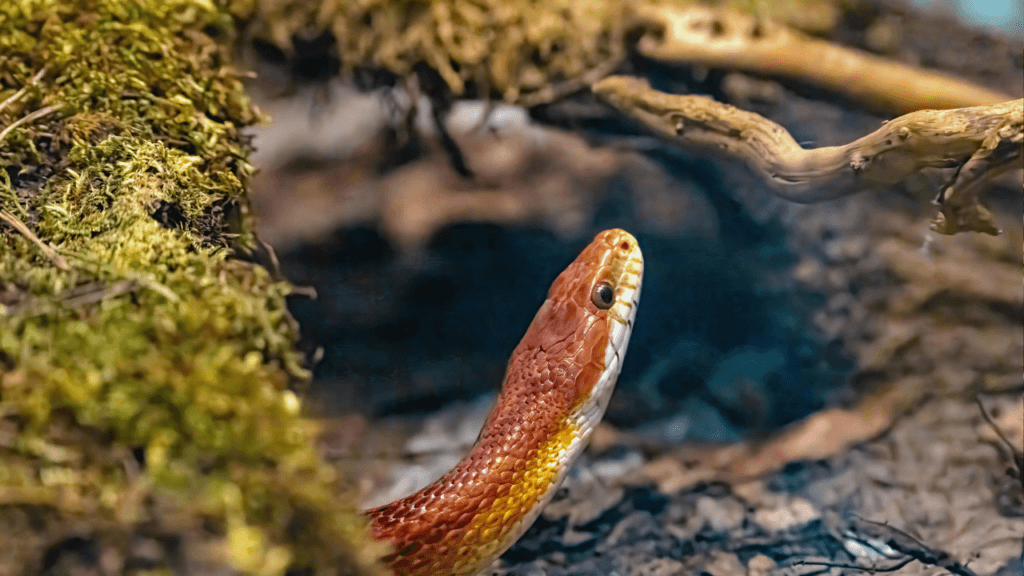
Climbing also gives the snake more choices. Choice reduces stress by allowing the snake to decide when and how to move. Enrichment should never demand activity. It should simply make it possible. A snake that chooses to climb is showing confidence in its environment.
Understanding Corn Snake Climbing Behavior
Corn snakes are not arboreal, but they are capable climbers when conditions feel right. They tend to climb low and explore gently rather than scaling high vertical spaces. Most climbing happens along edges or near hides. This behavior is exploratory rather than constant. That pattern is completely normal.
Not all corn snakes will climb often. Some may use climbing structures only occasionally. Others may ignore them entirely. Both responses are acceptable. The goal is to provide the option, not to expect a specific behavior. Enrichment supports individuality.
Choosing Safe Materials For Climbing
Safety starts with material choice. Natural cork bark, sturdy branches, and reptile safe decor work well for climbing enrichment. Materials should be free of sharp edges, loose bark, or splinters. Stability is critical because shifting items can cause stress or injury. If it moves easily, it is not safe.
Branches should be properly cleaned and prepared before use. Artificial climbing decor can also be effective when designed for reptiles. The surface should offer grip without being abrasive. Comfort and safety should guide every decision.
Proper Placement Of Climbing Structures
Placement matters just as much as the structure itself. Climbing elements should be positioned low to moderate in height. Tall, open climbs increase fall risk and stress. Structures should be placed near walls or along enclosure edges where corn snakes naturally prefer to travel. This makes climbing feel safer.
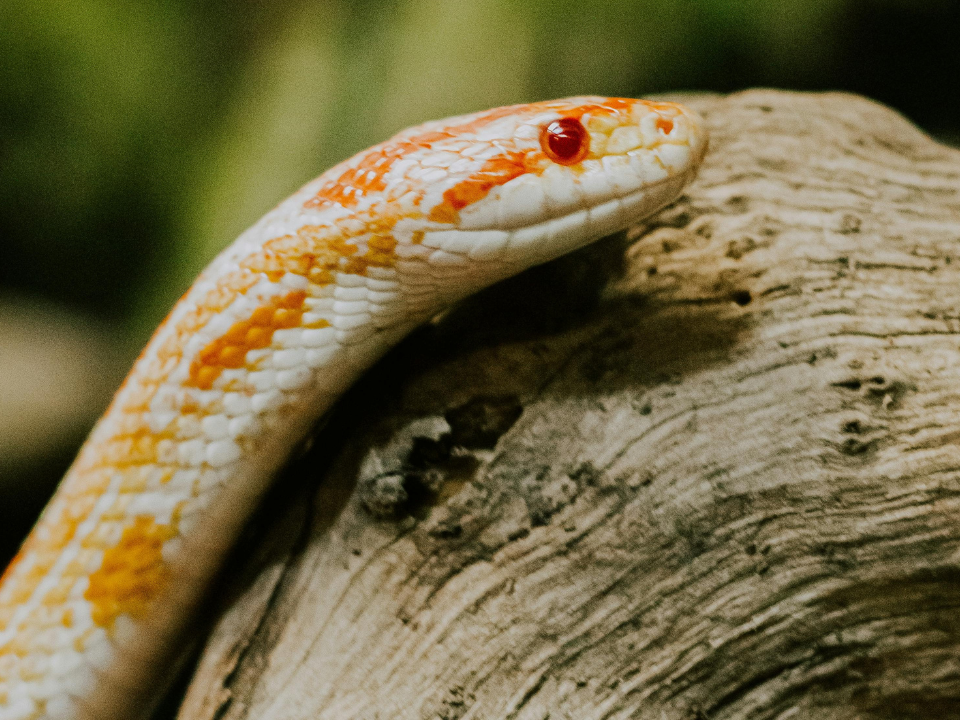
Climbing structures should never block airflow or heating zones. They should also avoid interfering with hides or feeding areas. Integration into the layout keeps the enclosure functional. Good placement makes climbing enrichment feel natural rather than intrusive.
Supporting Stability And Security
All climbing structures must be secured firmly. Loose branches or leaning decor can shift under the snake’s weight. This can cause sudden movement that startles the snake. Stability builds confidence and reduces stress. A stable structure is more likely to be used.
Anchoring structures against enclosure walls or partially burying the base in substrate can improve stability. Regular checks are important because materials can shift over time. Maintenance supports long term safety. Stability should always be checked before enrichment is considered complete.
Height And Angle Considerations
Low angled climbs are usually the safest and most effective. Gentle slopes encourage exploration without requiring significant effort. Horizontal or slightly angled branches are often preferred. Vertical climbs may go unused or cause hesitation. The goal is accessibility, not challenge.
Height should always match enclosure size. In smaller enclosures, climbing elements should stay low. In larger enclosures, moderate elevation can be introduced carefully. Falls should never result in injury. Safe design keeps enrichment beneficial.
Combining Climbing With Other Enrichment
Climbing enrichment works best when combined with other elements. Textured pathways leading to climbing areas encourage movement. Hides placed near climbing structures provide security. Visual barriers help reduce exposure. These combinations support confidence.
Climbing should never be isolated. It should be part of a connected environment. Corn snakes prefer moving through spaces that feel continuous. Enrichment should support that flow. A connected layout encourages calm exploration.
Monitoring Behavior Around Climbing Structures
Behavior reveals whether climbing enrichment is successful. Calm exploration and occasional climbing are positive signs. Hesitation or avoidance may indicate poor placement or instability. Observation should guide adjustments. Small changes often solve issues.
Climbing should never appear frantic or forced. Stress behaviors indicate the enrichment may be too intense. Removing or repositioning items is better than insisting they be used. Enrichment serves the snake, not expectations.
Avoiding Common Climbing Enrichment Mistakes
One common mistake is adding structures that are too tall or unstable. Another is overcrowding the enclosure with too many climbing options. Too much complexity can reduce usable space. Balance is essential.
Another mistake is assuming more climbing equals better enrichment. Quality matters more than quantity. One well placed structure is often enough. Overcomplicating enrichment can increase stress rather than reduce it.
Long Term Benefits Of Climbing Enrichment
Over time, climbing enrichment supports physical engagement and confidence. Snakes may become more comfortable moving through the enclosure. Muscle use and coordination benefit gently. Behavior becomes more varied and predictable. Enrichment supports long term wellness.
Climbing also improves enclosure use. Space becomes more functional. Observation becomes easier when behavior is visible. Care feels more intentional. These benefits build gradually.
Final Thoughts On Climbing Structures For Corn Snakes
Safe and effective climbing structures can be a valuable part of corn snake enrichment when designed thoughtfully. Low, stable, and well placed structures support natural exploration without stress. Observation guides improvement over time. Climbing enrichment should feel optional and safe. When done correctly, it adds variety and confidence to a corn snake’s daily life.