Feeding enrichment is an important part of corn snake care because it encourages natural behaviors while keeping feeding routines healthy and predictable. Corn snakes are natural hunters, even though their meals are provided in captivity. Enrichment during feeding helps prevent boredom and supports mental engagement. This does not mean turning feeding time into chaos or stress. When done correctly, feeding enrichment feels natural, calm, and beneficial for the snake.
When I first started, I thought feeding was just about getting food into the snake and calling it a success. Over time, I realized feeding could do more than meet nutritional needs. Small changes in how food was offered led to better engagement and calmer feeding responses. Feeding enrichment turned meals into a form of activity instead of a repetitive routine. The snake stayed relaxed, and feeding became more interesting for both of us.
What Feeding Enrichment Really Means
Feeding enrichment is not about making meals harder or frustrating for the snake. It is about encouraging natural feeding behaviors in a controlled way. This can include slight movement, varied placement, or timing adjustments. The goal is to activate hunting instincts without causing stress. Feeding should still feel safe and predictable.
Corn snakes benefit from enrichment that respects their natural pace. Sudden changes or overly complex setups can cause hesitation. Feeding enrichment works best when it feels like a gentle challenge rather than a test. The snake should always succeed without struggle. Success builds confidence and reduces feeding anxiety.
Using Movement To Encourage Natural Feeding Responses
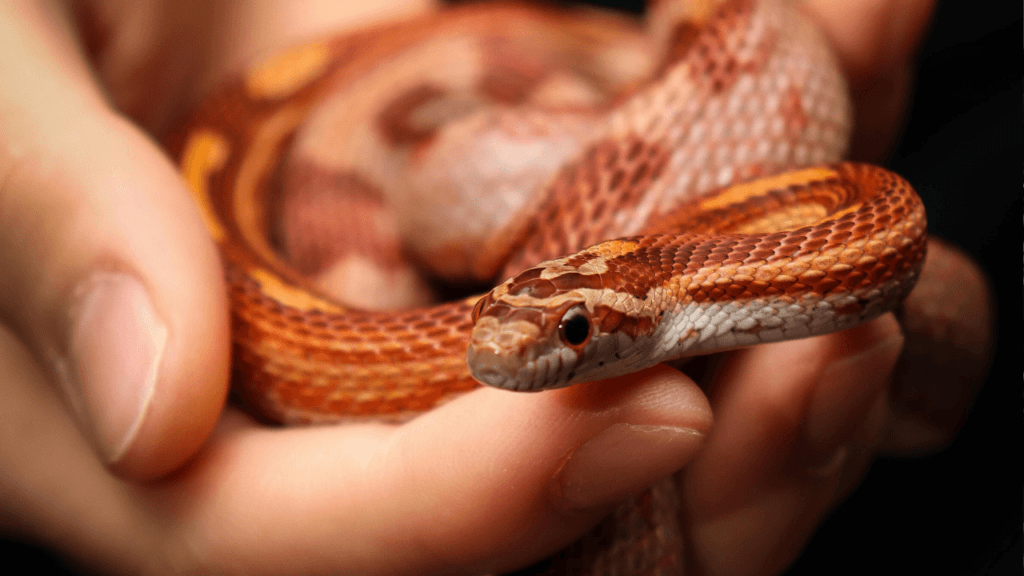
One of the simplest forms of feeding enrichment is gentle movement. Slightly wiggling prey using feeding tongs can trigger natural strike responses. The movement should be slow and controlled, never frantic. This mimics natural prey behavior without overwhelming the snake. Calm movement encourages focused attention.
Movement also helps prevent lazy feeding habits. A snake that engages actively during feeding often shows better coordination. This approach should always be used carefully to avoid accidental strikes. The goal is engagement, not excitement overload. Subtlety works best.
Varying Feeding Locations Safely
Occasionally varying where food is offered can provide mild enrichment. This should be done within the enclosure and in familiar areas. Moving the feeding spot slightly encourages exploration. The snake still feels secure because the environment remains the same. Small changes are enough.
Feeding should never feel like a scavenger hunt. Corn snakes are not problem solvers in that way. Too much variation can cause confusion or refusal. Keeping changes minor prevents stress. Familiarity should always outweigh novelty.
Timing As A Form Of Enrichment
Feeding at slightly different times within a consistent schedule can also provide enrichment. Corn snakes are naturally active at certain hours. Aligning feeding with these periods supports natural behavior. This does not mean random feeding times. It means flexibility within a routine.
Consistency still matters. Feeding should remain predictable overall. A calm snake responds better to enrichment. Predictable structure with small variation keeps feeding positive. Balance is the key.
Avoiding Stress During Feeding Enrichment
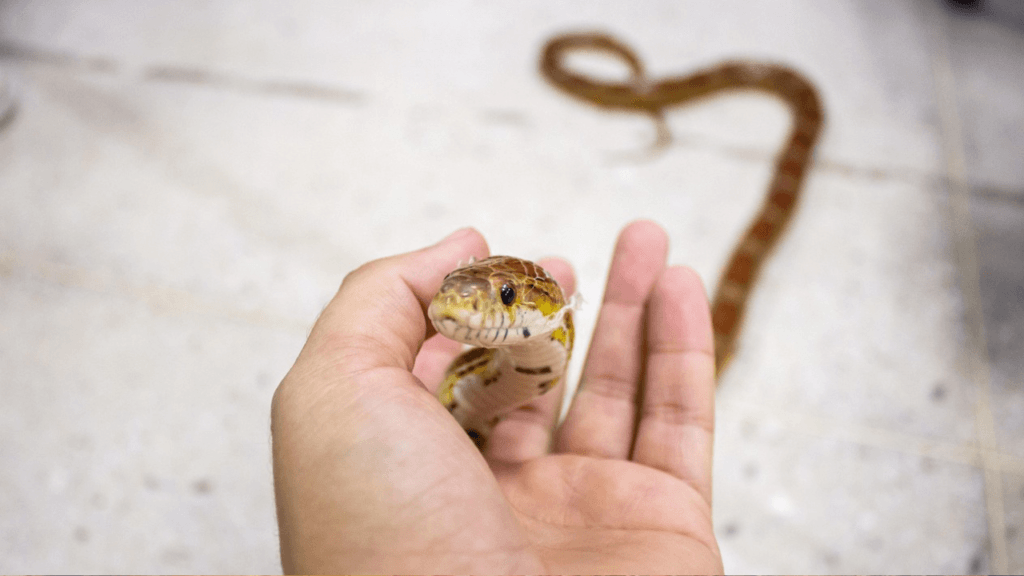
Stress should never be part of feeding enrichment. If a snake shows hesitation, freezing, or avoidance, enrichment should be scaled back. Feeding should always end successfully. A missed or stressful meal defeats the purpose. Observation guides adjustment.
Enrichment is optional, not mandatory. Some snakes prefer simple routines. Respecting individual behavior is essential. Feeding enrichment should serve the snake, not the keeper’s curiosity. Comfort always comes first.
Using Feeding Tongs Correctly
Feeding tongs are useful tools for enrichment when used properly. They allow safe distance and controlled movement. Tongs help prevent accidental bites. They also keep feeding calm and precise. Proper technique matters.
Tongs should never be used to tease or prolong feeding unnecessarily. The goal is a smooth transition from interest to feeding. Once the snake strikes or grabs, the process should finish naturally. Feeding should feel efficient and stress free. Overhandling food can create frustration.
Separating Enrichment From Handling
Feeding enrichment should never be combined with handling sessions. Corn snakes need clear boundaries between feeding and interaction. Mixing the two can increase defensive behavior. Feeding time should remain focused and calm. Handling should happen at separate times.
Clear routines reduce confusion. Snakes learn patterns quickly. Predictable feeding builds trust over time. Enrichment should never blur those patterns. Structure supports safety.
Observing Feeding Behavior Closely
Feeding behavior provides valuable information. Calm strikes, steady swallowing, and relaxed posture indicate comfort. Hesitation or repeated misses may signal stress or poor timing. Observation helps refine enrichment methods. Small changes often make a big difference.
Behavior should be evaluated over multiple feedings. One response does not define success or failure. Patterns matter more than moments. Enrichment should improve behavior gradually. Patience supports progress.
Long Term Benefits Of Feeding Enrichment
Over time, feeding enrichment supports confidence and engagement. Snakes often become more alert without becoming reactive. Feeding responses become more predictable. Stress related behaviors may decrease. Enrichment contributes to overall well being.
Feeding also becomes easier for the keeper. Calm routines reduce accidents and frustration. The relationship between snake and environment improves. Care feels more intentional. That confidence benefits long term care.
Final Thoughts On Feeding Enrichment
Feeding enrichment is about thoughtful interaction, not complexity. Small adjustments encourage natural behavior without stress. Movement, placement, and timing all play a role. Observation ensures enrichment remains beneficial. When feeding enrichment is done correctly, meals become healthier, calmer, and more engaging for corn snakes.